
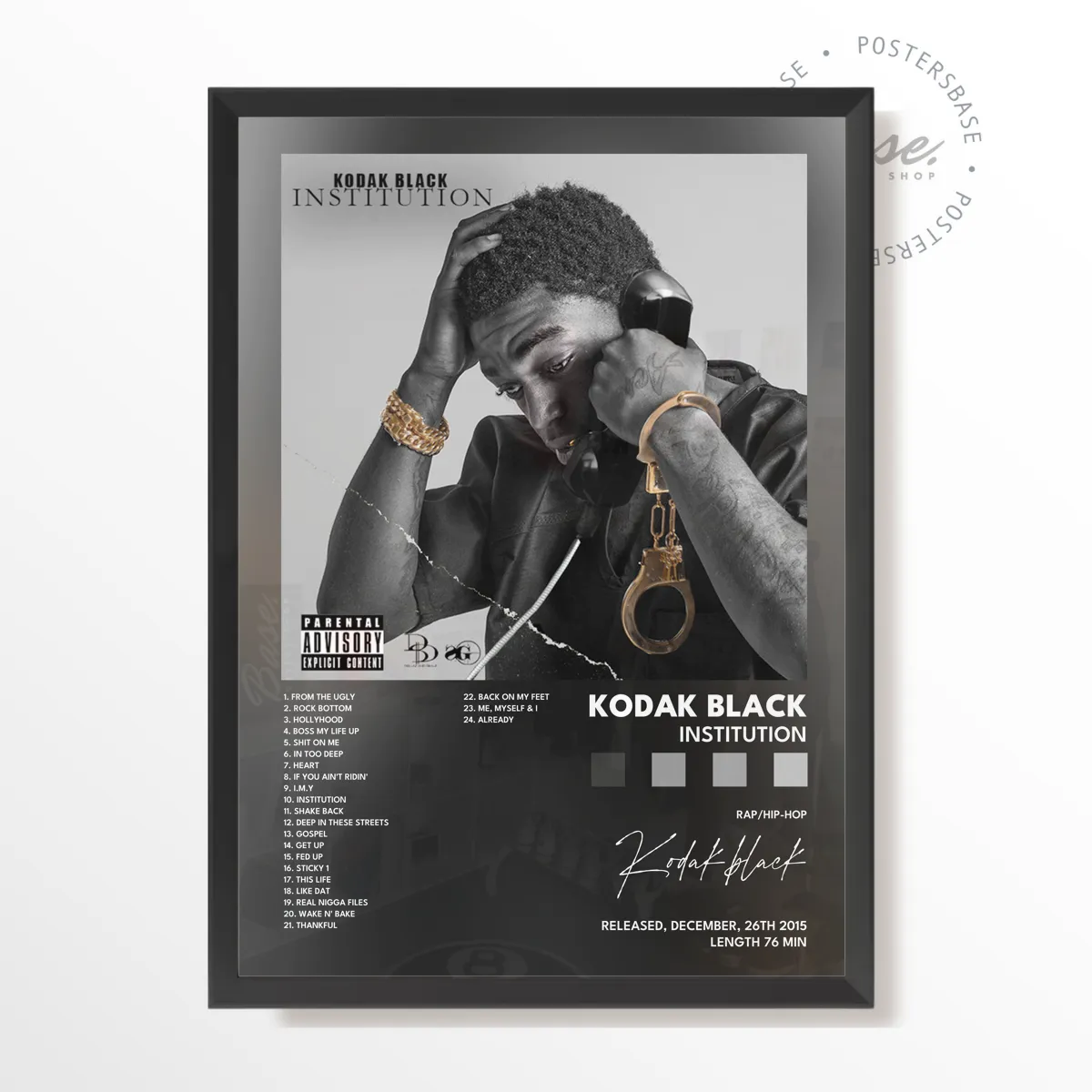
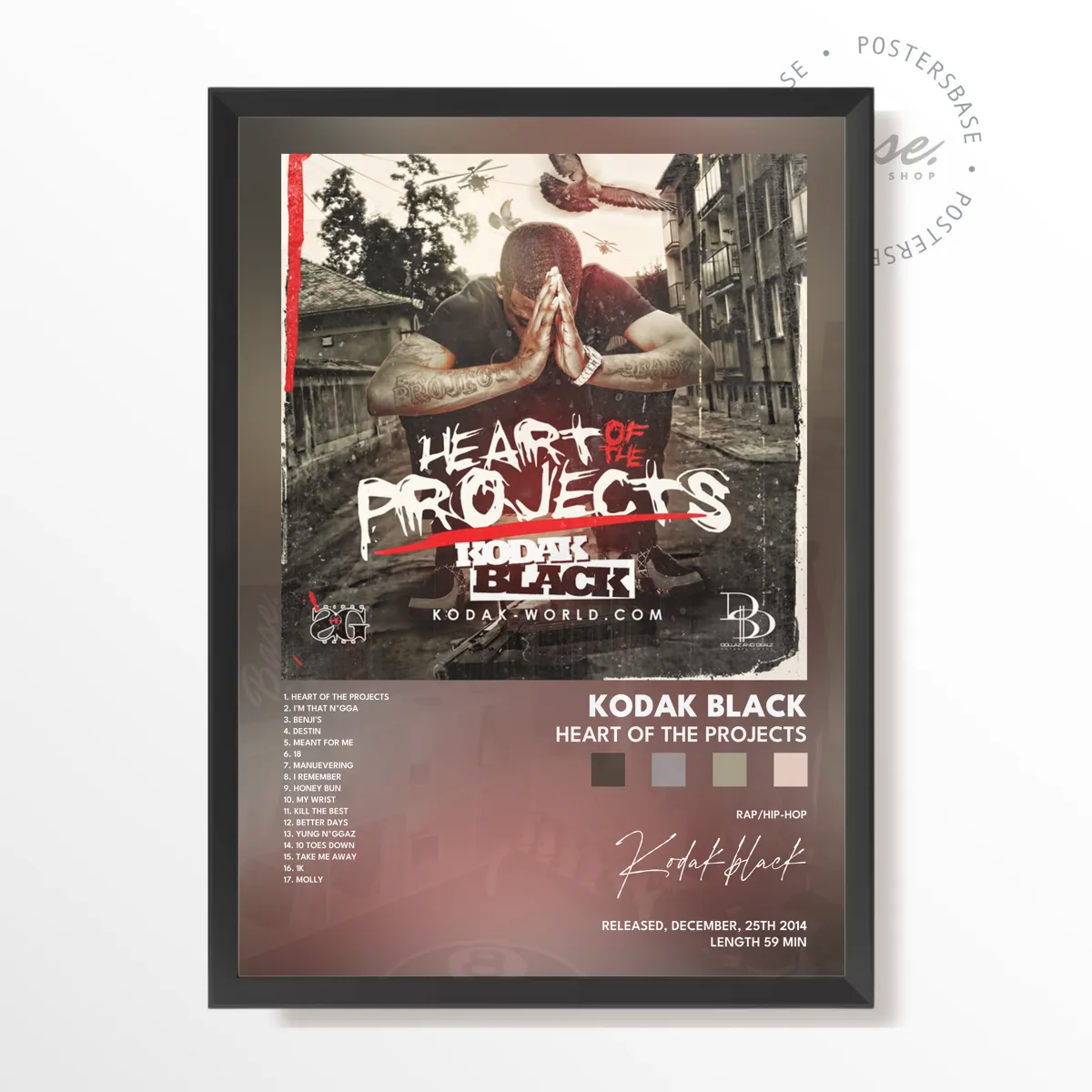
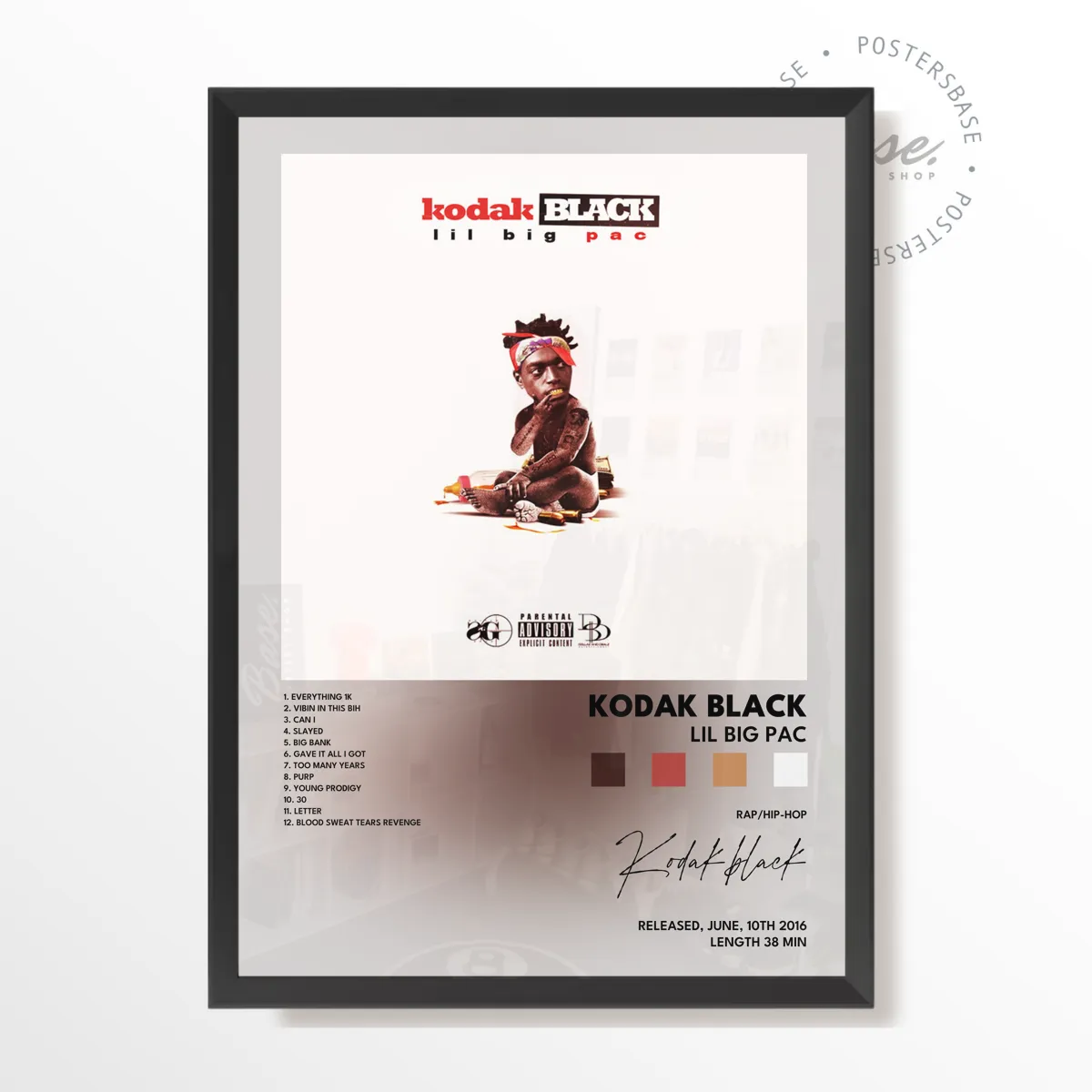
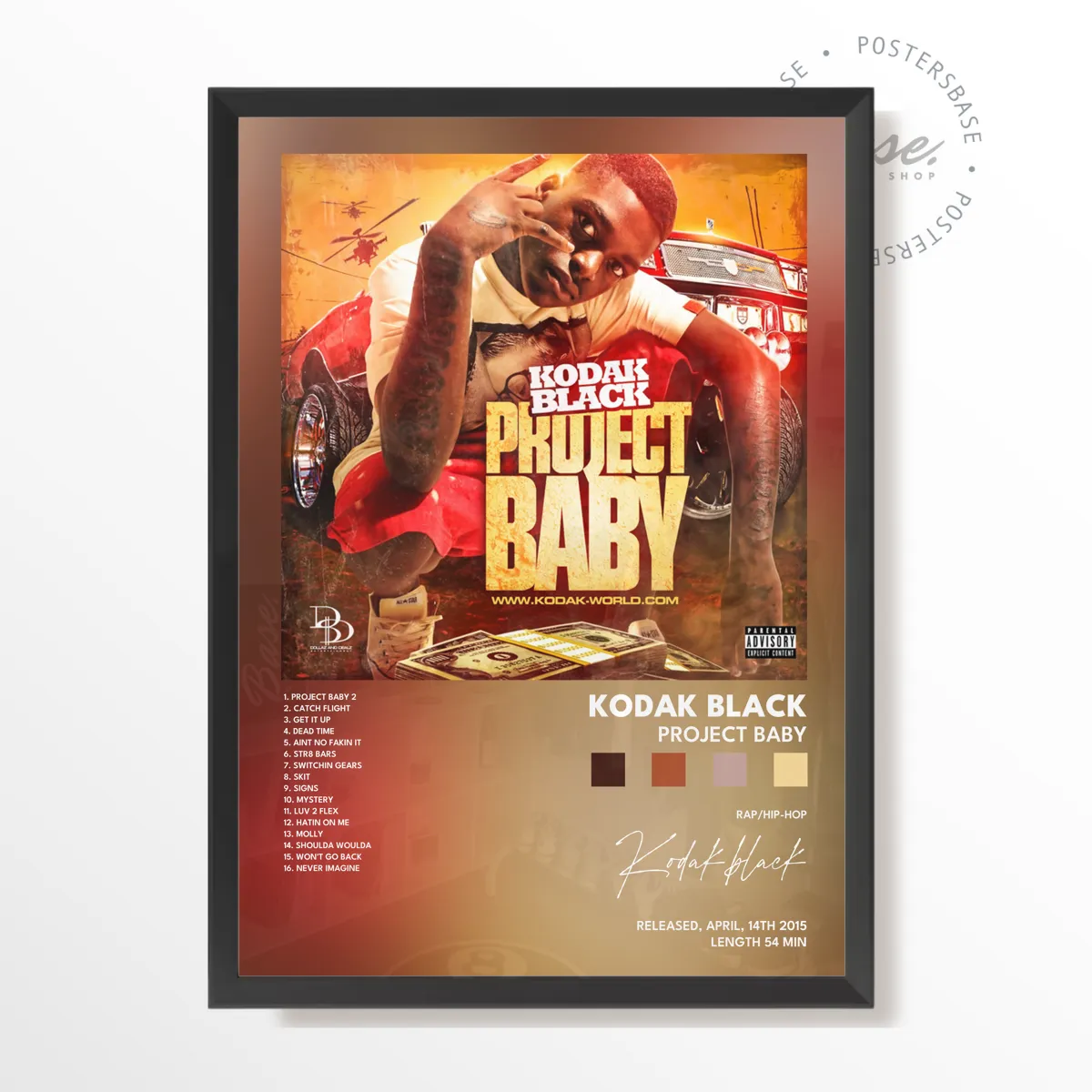
Kodak Black turned a Pompano Beach housing project into one of the most recognizable stories in modern rap, and this collection frames that journey one cover at a time. Born Dieuson Octave on June 11, 1997, and raised by his Haitian immigrant mother in the Golden Acres projects, he built a street reputation long before the charts noticed. The mixtape era is where the legend starts. Hang the Institution poster beside Heart of the Projects and you capture the raw South Florida sound that first made him a name on YouTube. Lil B.I.G. Pac, released on his nineteenth birthday in June 2016, and Project Baby then sharpened that identity into artwork worth putting on a wall.
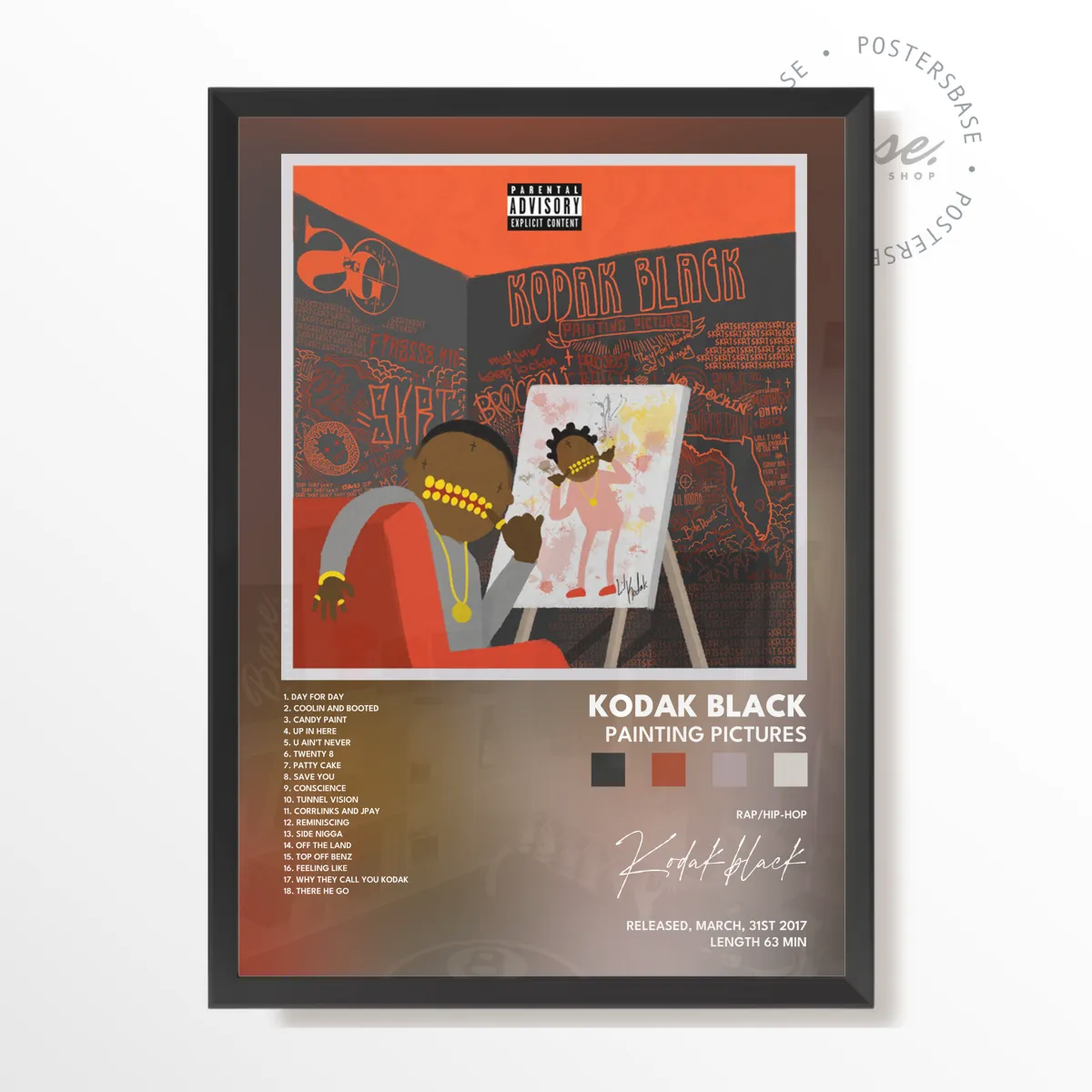
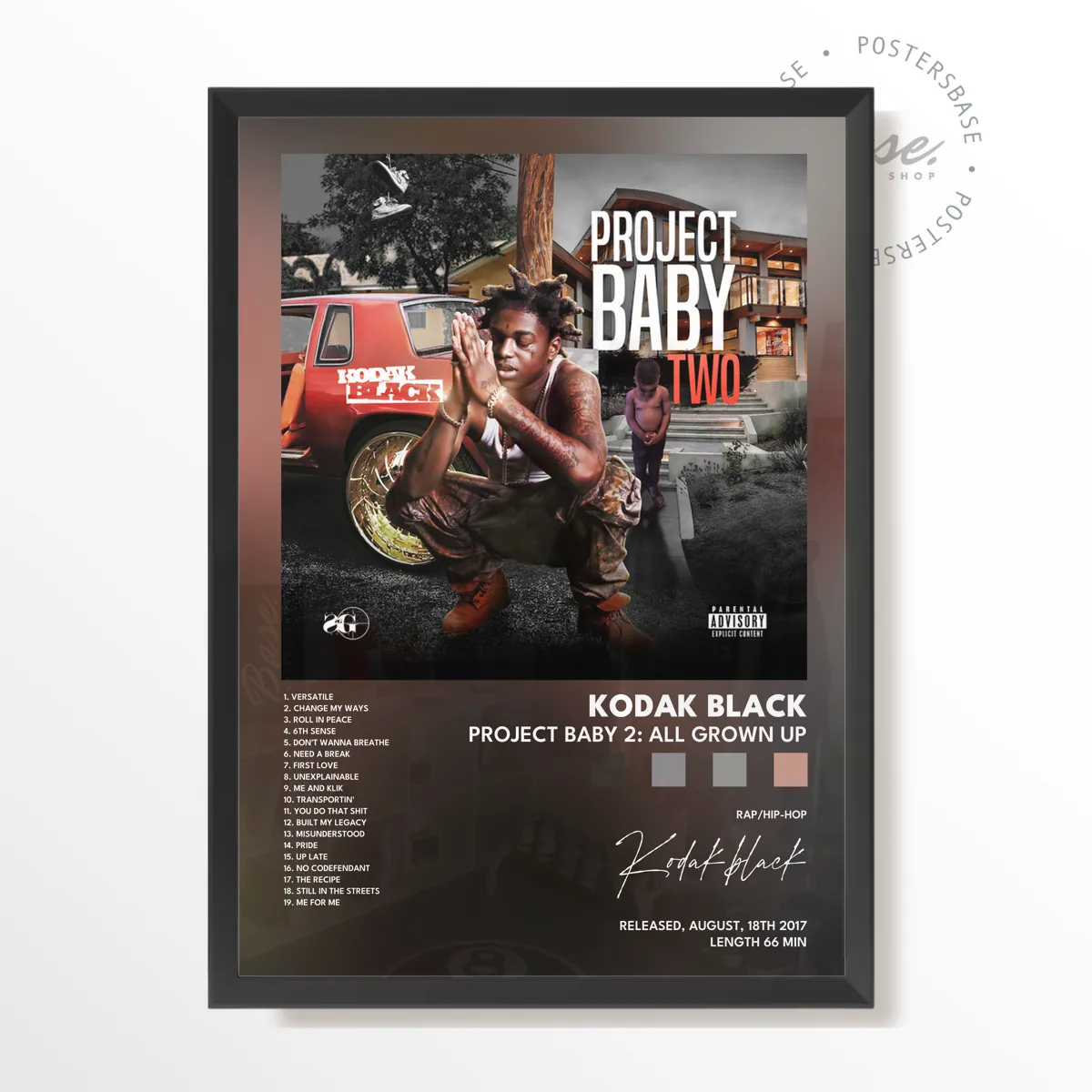
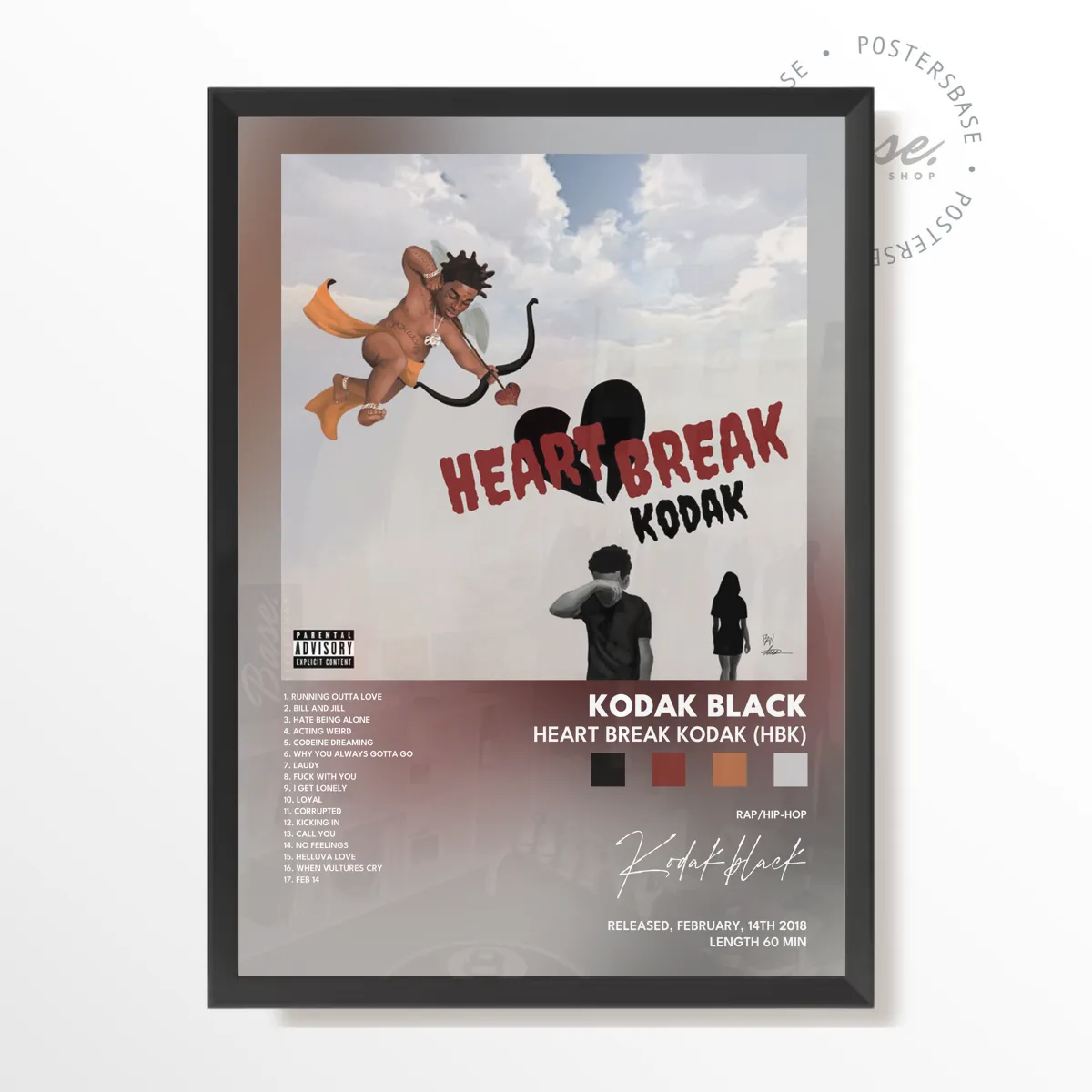
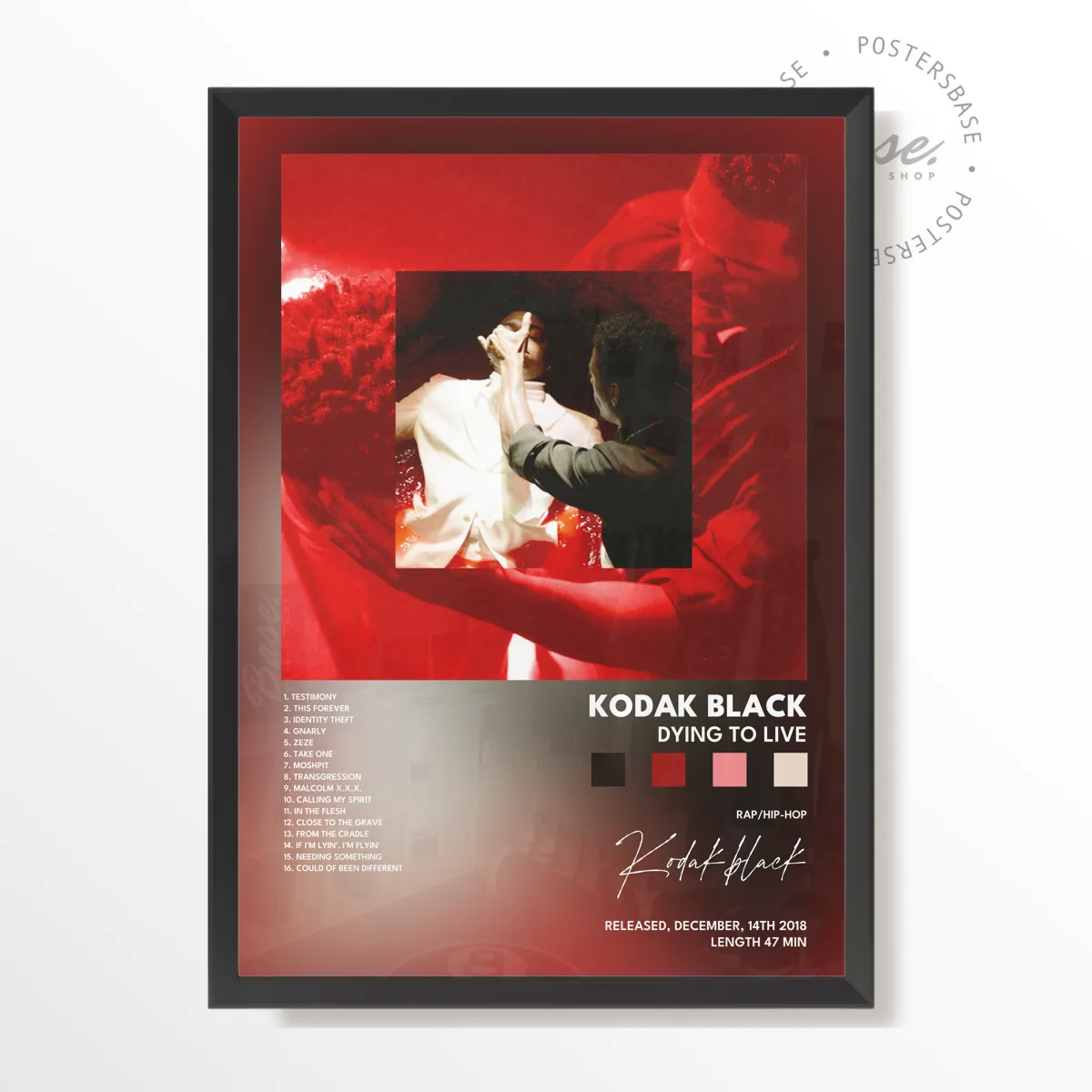
The breakthrough came fast. His 2017 debut studio album Painting Pictures landed at number three on the Billboard 200 and carried Tunnel Vision, his first top ten single. He kept the momentum with the mixtape Project Baby 2: All Grown Up and the 2018 project Heartbreak Kodak. Then came the summit. Dying to Live debuted at number one on the Billboard 200 in December 2018 and delivered ZEZE, the Travis Scott and Offset collaboration that peaked at number two on the Hot 100. That cover is the natural centerpiece of any Kodak wall.
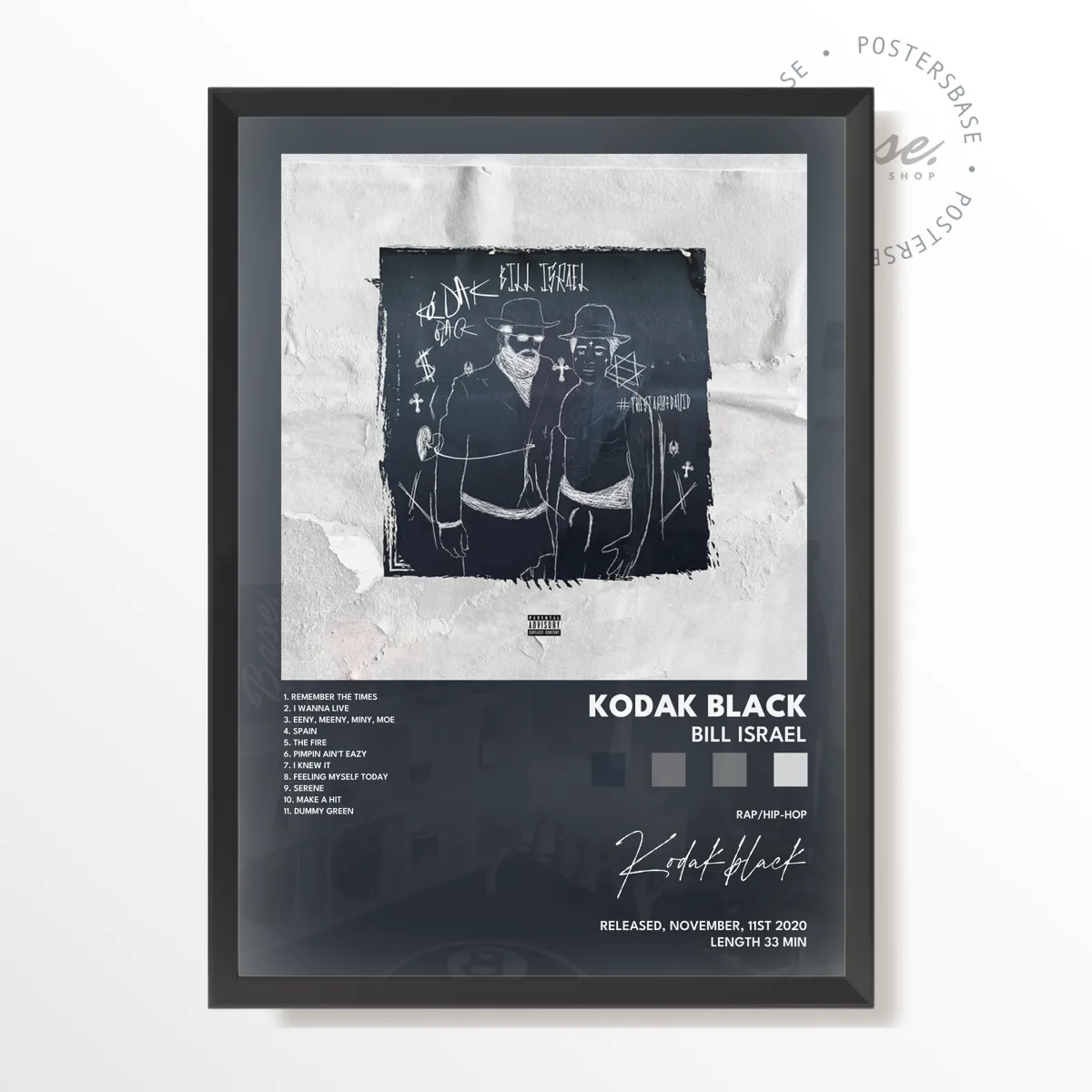
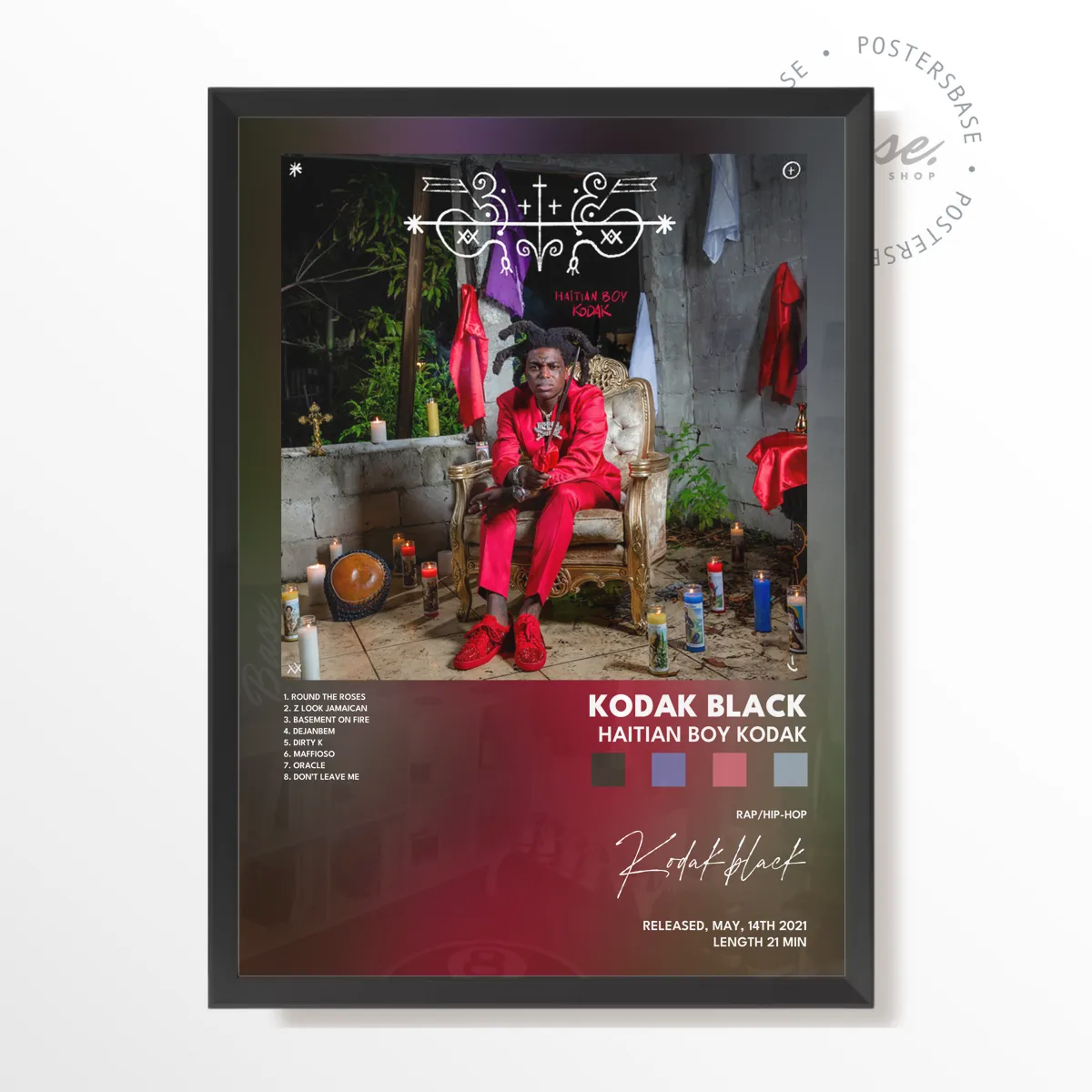
The incarceration era gives the collection its heaviest chapter. While serving a federal sentence on weapons charges, Kodak released Bill Israel in November 2020, a record named for his legal name Bill K. Kapri and the faith he adopted behind bars. President Donald Trump commuted his sentence on January 19, 2021, his final full day in office. Freedom brought an immediate burst of work, starting with the Haitian Boy Kodak mixtape in May 2021, which reached number twenty five on the Billboard 200 and leaned proudly into his roots.
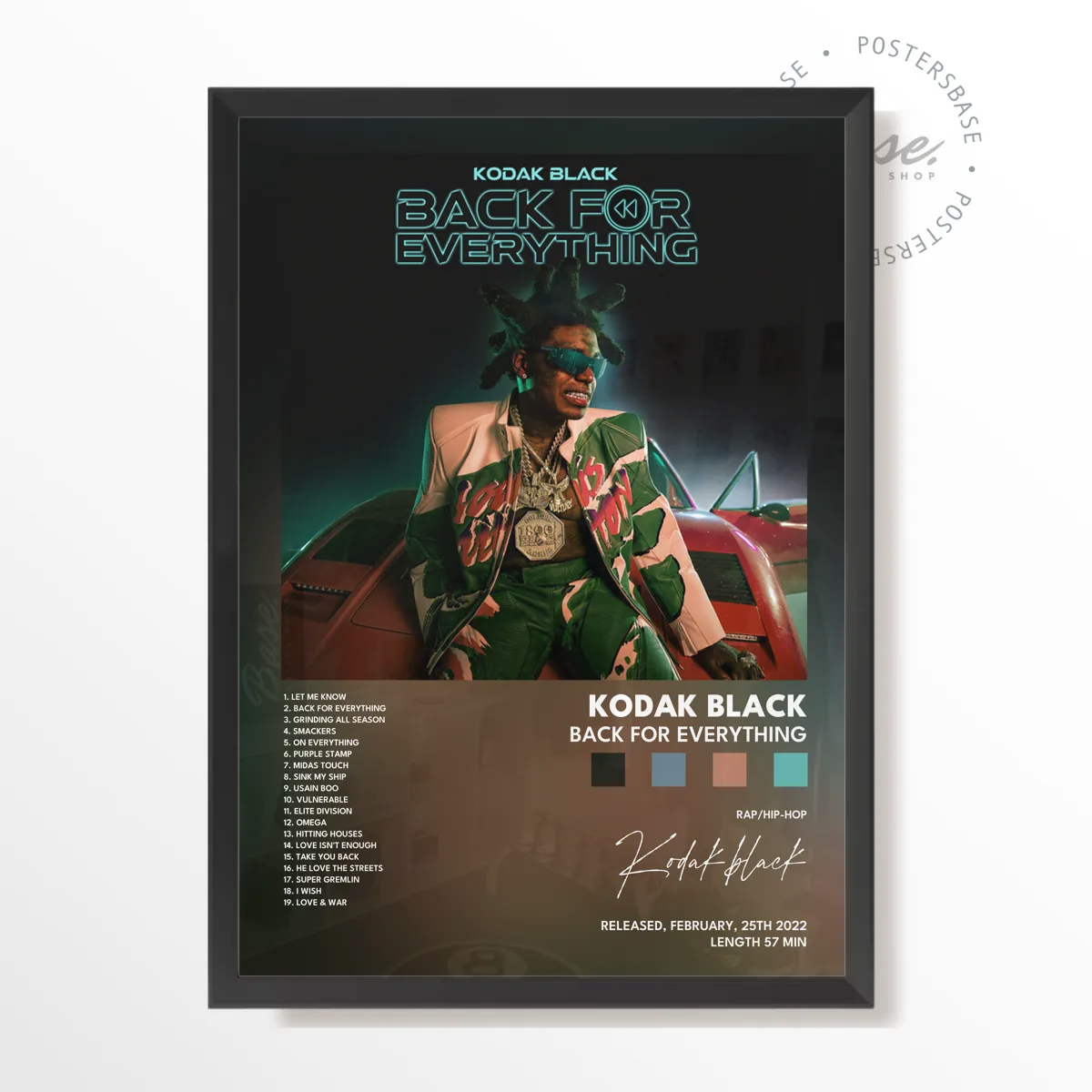
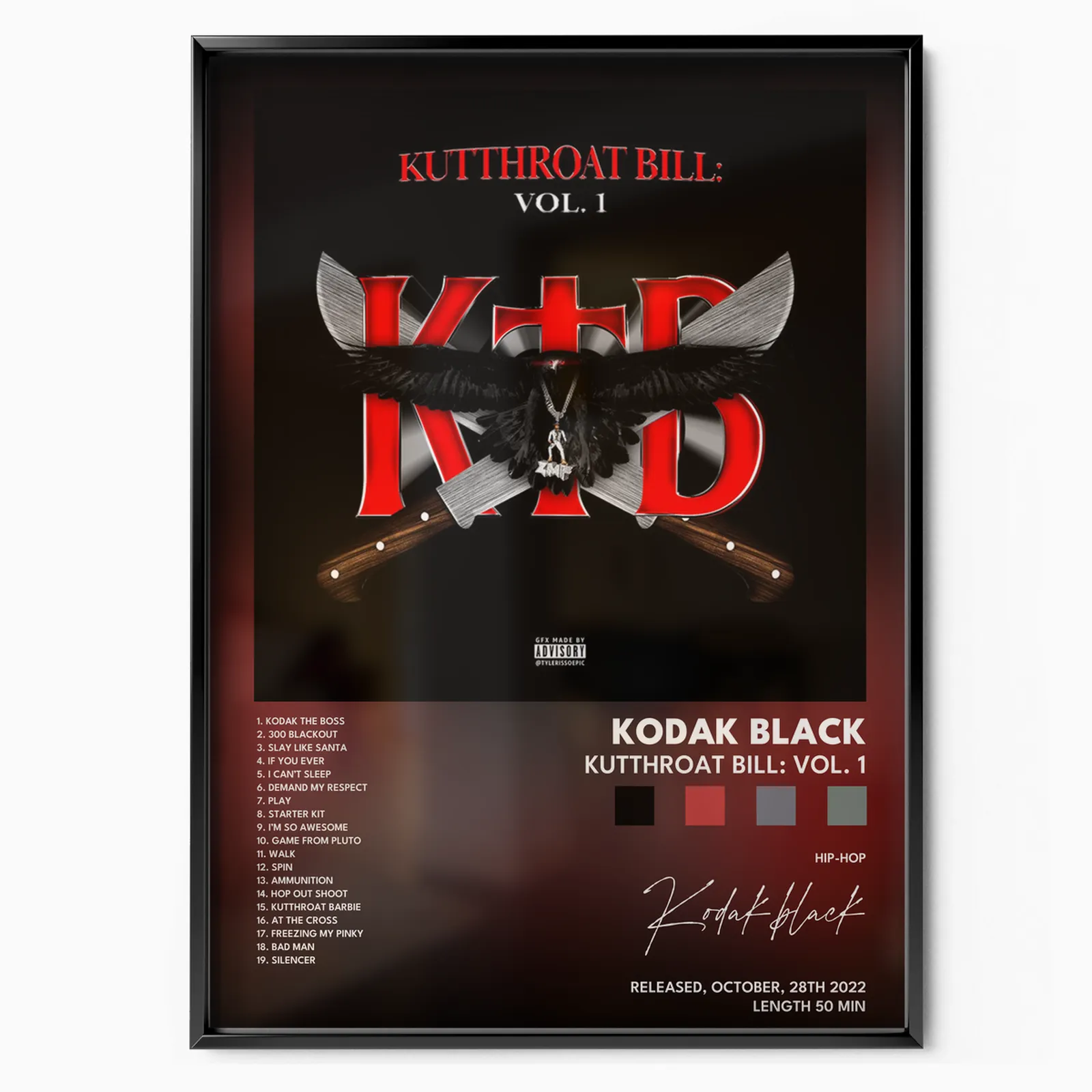
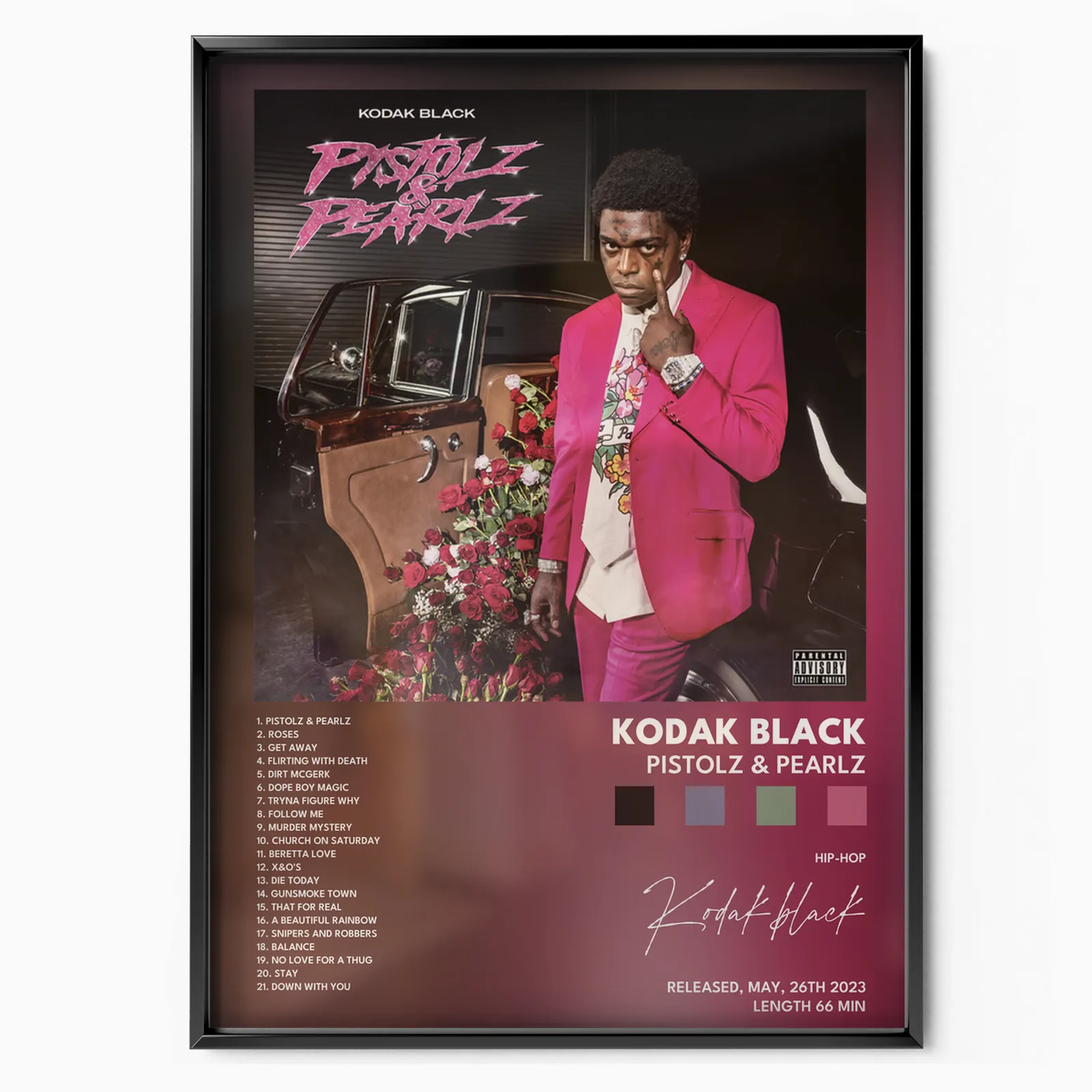
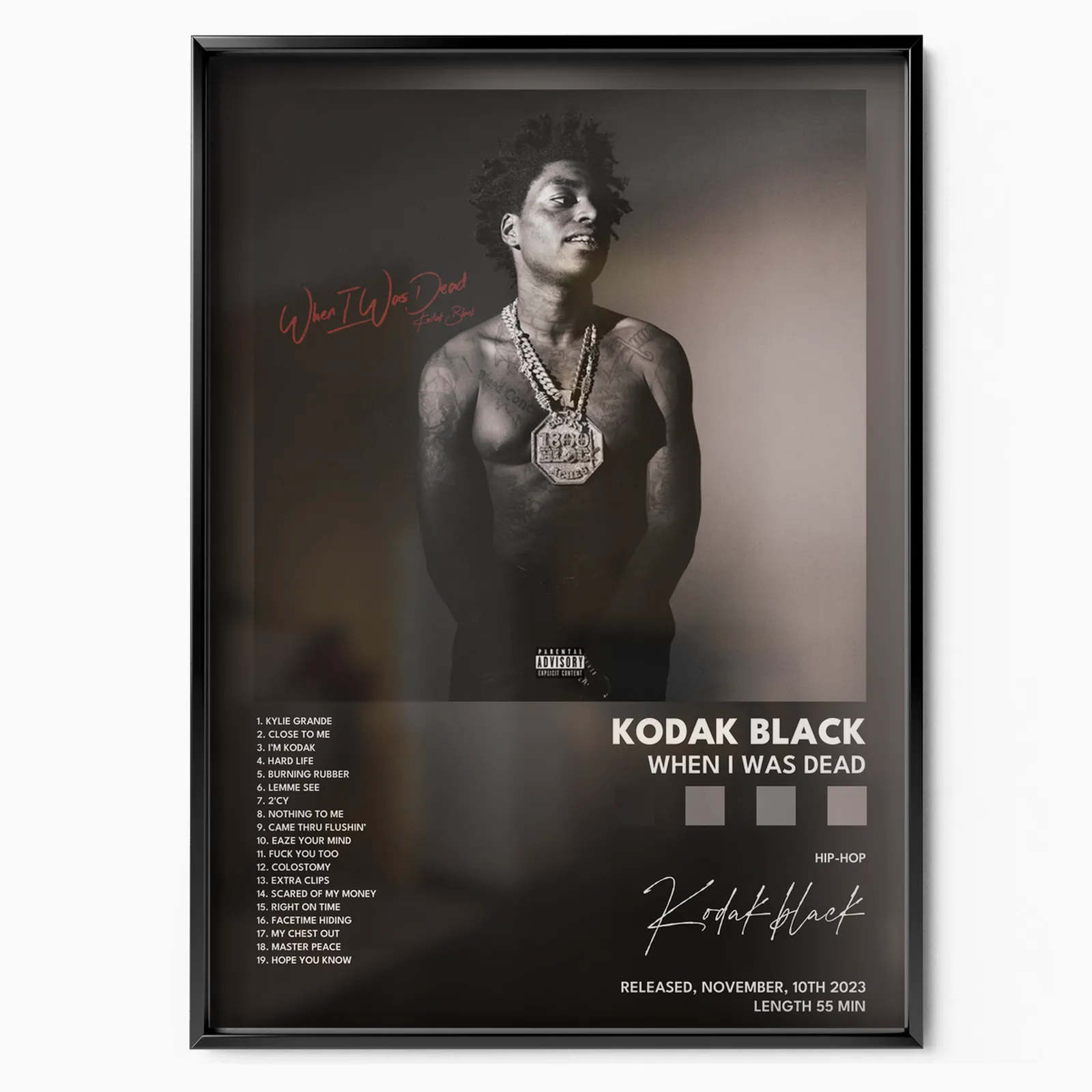
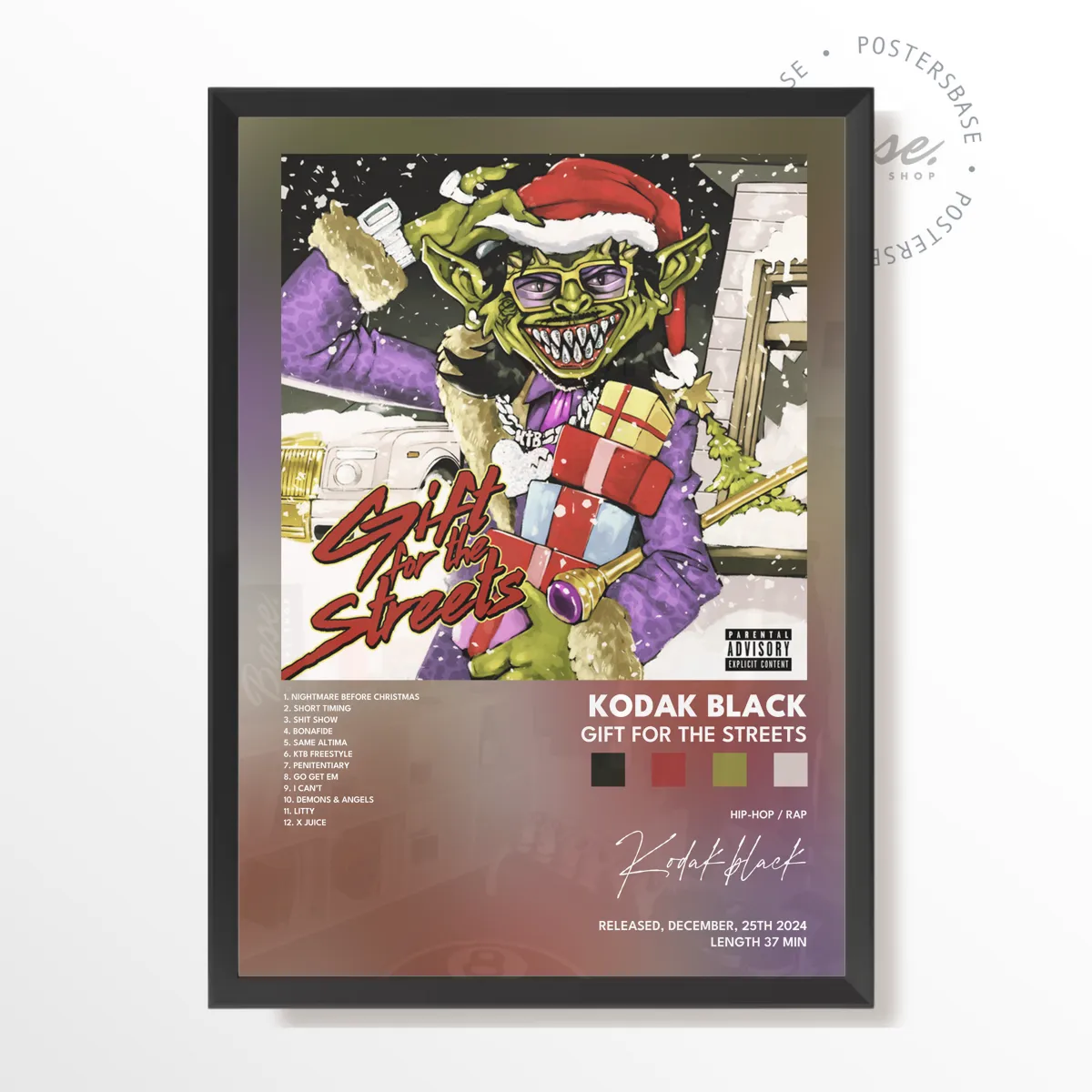
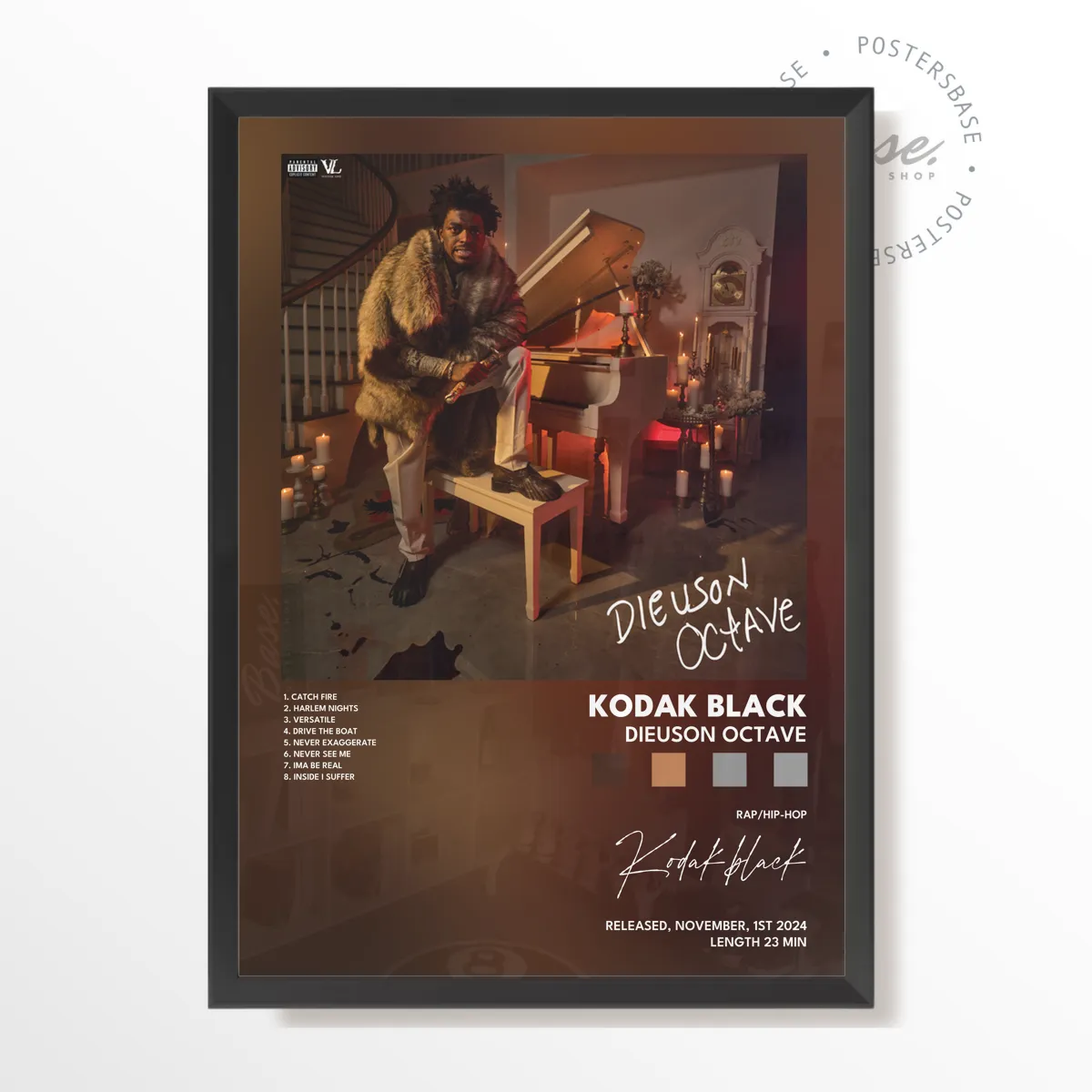
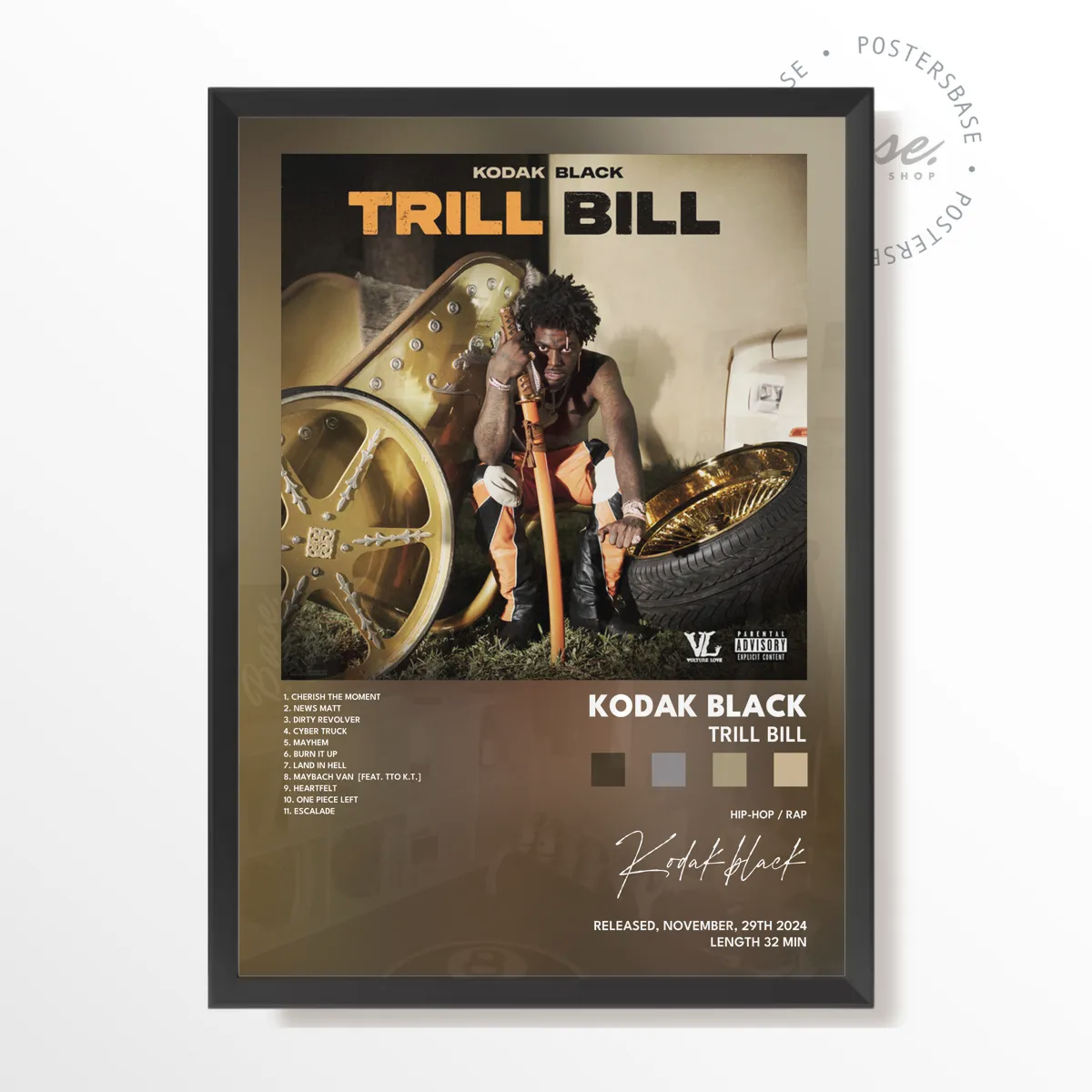
The recent run proves he never slowed down. Back for Everything opened 2022 and Kutthroat Bill: Vol. 1 closed it out. Pistolz and Pearlz arrived in 2023, followed by the surprise album When I Was Dead that November. In 2024 he kept the catalog expanding with Gift for the Streets, the birth name tribute Dieuson Octave, and Trill Bill, giving completists plenty of fresh covers to chase.
Rare prints are the reason collectors keep checking back. The early mixtape covers, especially Institution and Heart of the Projects, circulated mostly as low resolution digital art for years before this catalog gave them a proper museum treatment, so a framed copy is genuinely hard to find anywhere else. Deep cuts like Dieuson Octave and Trill Bill round out shelves that mainstream poster shops never bother to stock, which lets a real fan display the full arc instead of only the radio singles. Each design is drawn straight from the official cover artwork, so the details, colors, and typography stay faithful to the release you remember.
Choosing a print is simple. Every poster ships in four sizes, from compact A4 for a desk or shelf ledge up to statement A1 for a feature wall, with A3 and A2 covering the flexible middle ground. Then pick a frame to suit the room. A black frame deepens the contrast on darker covers like Dying to Live and Bill Israel, while a white frame keeps brighter artwork such as Painting Pictures feeling open and clean. Prefer to mount your own way, or already own frames at home? Unframed options are available on every design.
For a gallery wall, think in eras. A tight grid of the four mixtape covers builds a strong come up corner, while pairing Dying to Live with Painting Pictures anchors a larger arrangement around his chart peak. Mix a few sizes for visual rhythm, keep your frame colors consistent for cohesion, and leave even spacing so each cover reads as its own statement. A single oversized A1 centerpiece surrounded by smaller A4 and A3 covers also works beautifully for a bolder, more curated look. Done right, the finished wall tells the whole Kodak Black story, from Golden Acres all the way to the top of the Billboard 200.