🔥⏳ TIKTOK VIRAL SALES ENDS IN…051700

+1 Free Gift per order - Today !

↩ 14-DAY RETURNS★ 4.8/5 FROM 8,521 REVIEWS🛡 DAMAGED IN TRANSIT? REPRINTED FREE🚚 FREE SHIPPING OVER €65.00🎁 4 PACK +3 FREE↩ 14-DAY RETURNS★ 4.8/5 FROM 8,521 REVIEWS🛡 DAMAGED IN TRANSIT? REPRINTED FREE🚚 FREE SHIPPING OVER €65.00🎁 4 PACK +3 FREE↩ 14-DAY RETURNS★ 4.8/5 FROM 8,521 REVIEWS🛡 DAMAGED IN TRANSIT? REPRINTED FREE🚚 FREE SHIPPING OVER €65.00🎁 4 PACK +3 FREE

Metallica Posters

Every Metallica album cover, era by era

The Thrash Years1983-1988
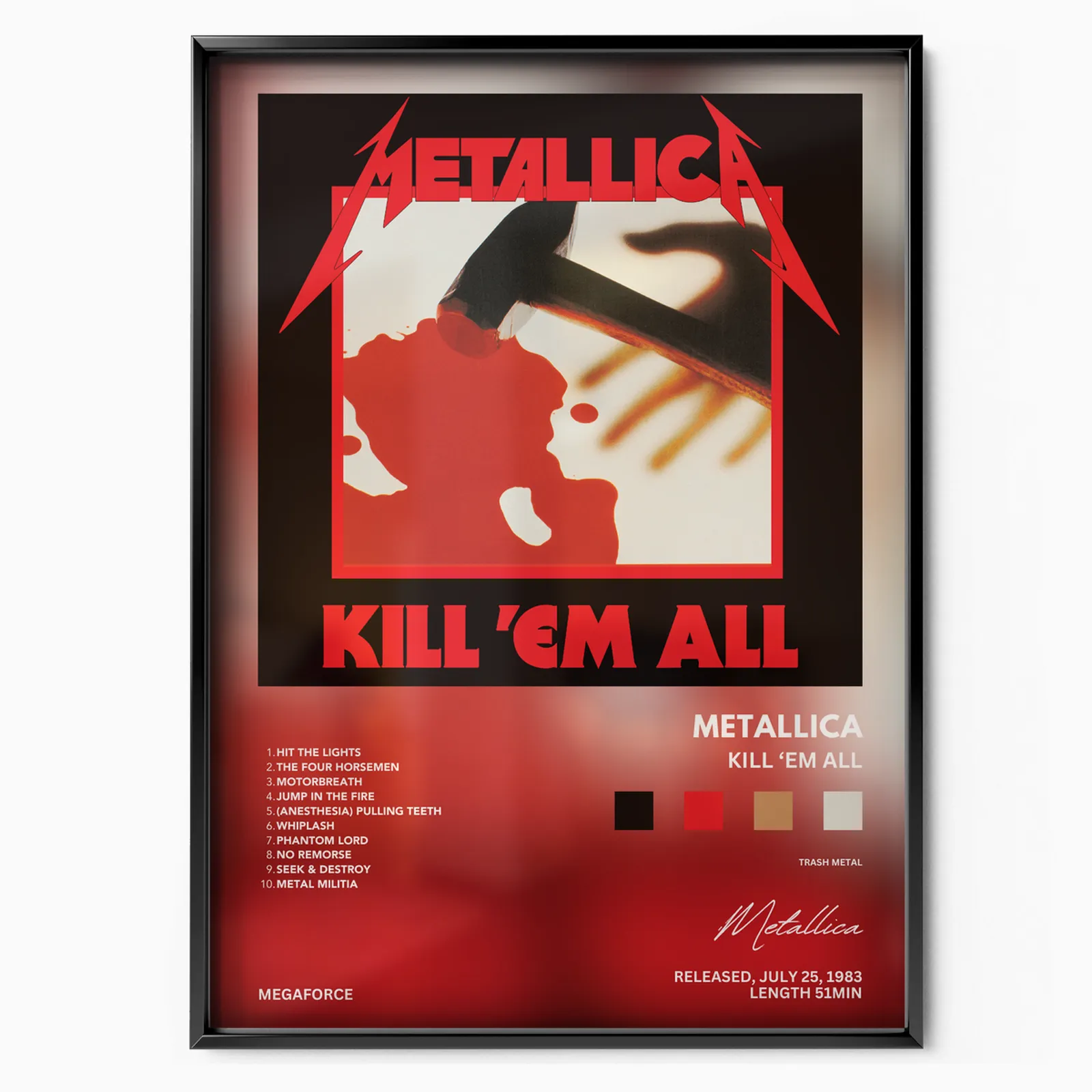
1983Kill 'Em All
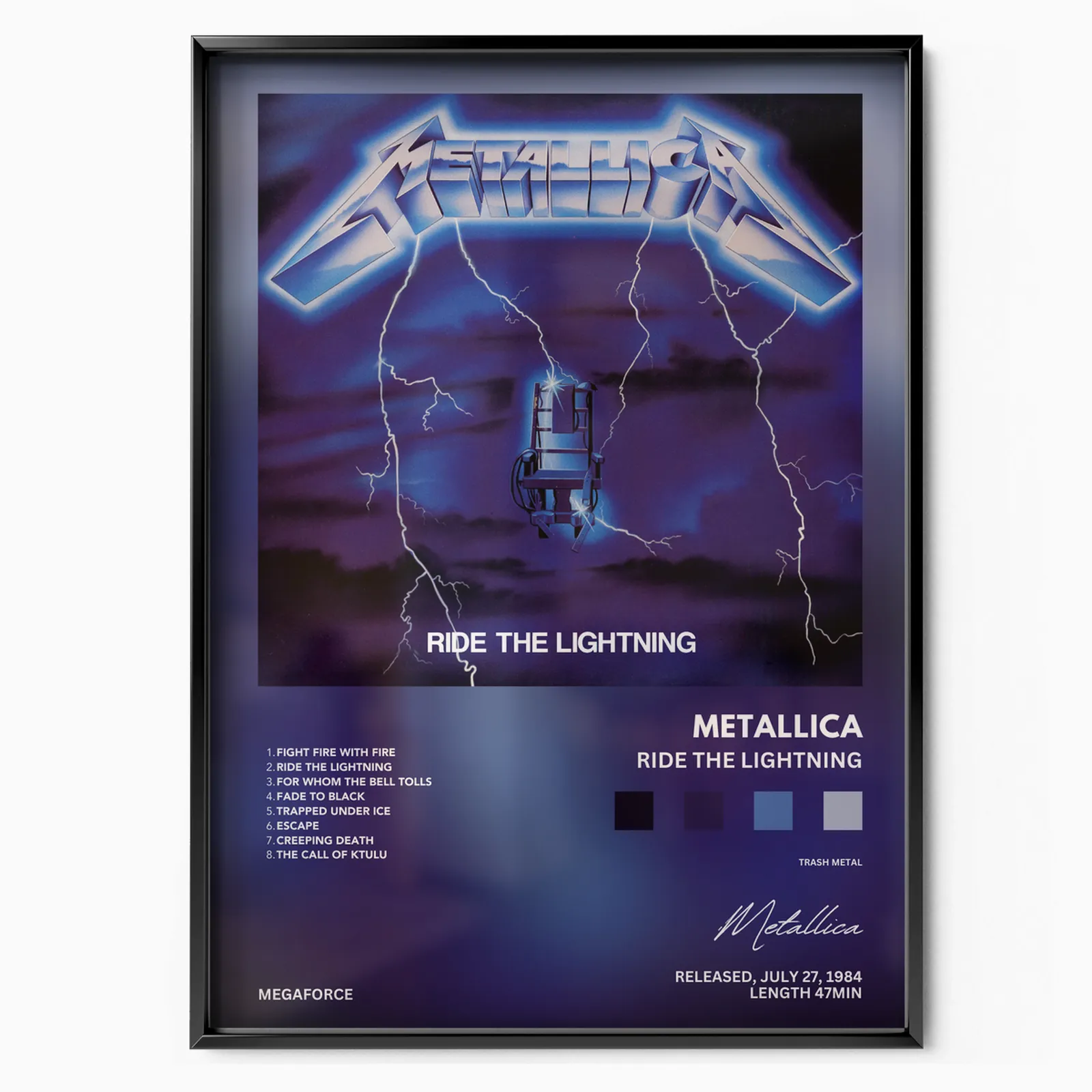
1984Ride the Lightning
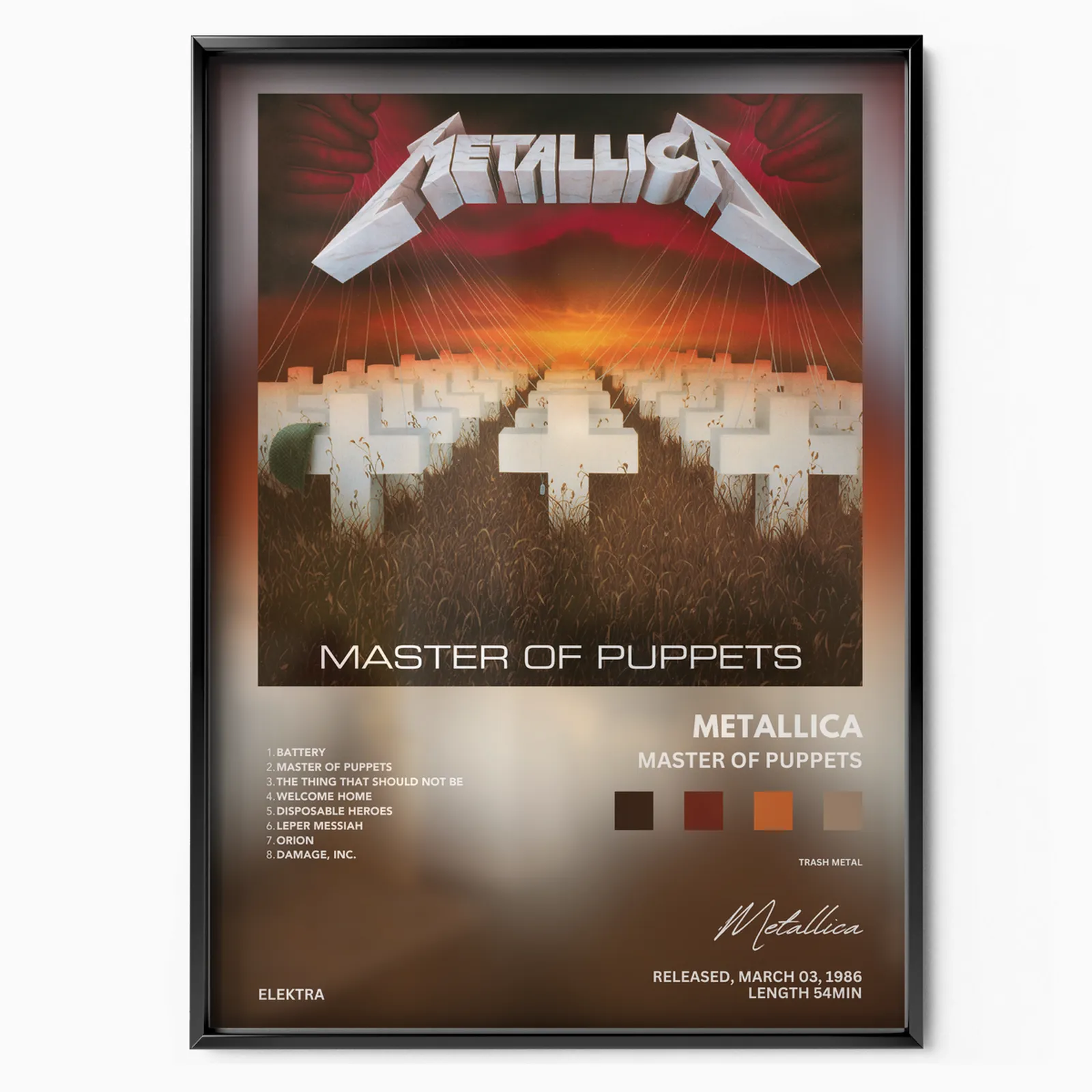
1986Master of Puppets
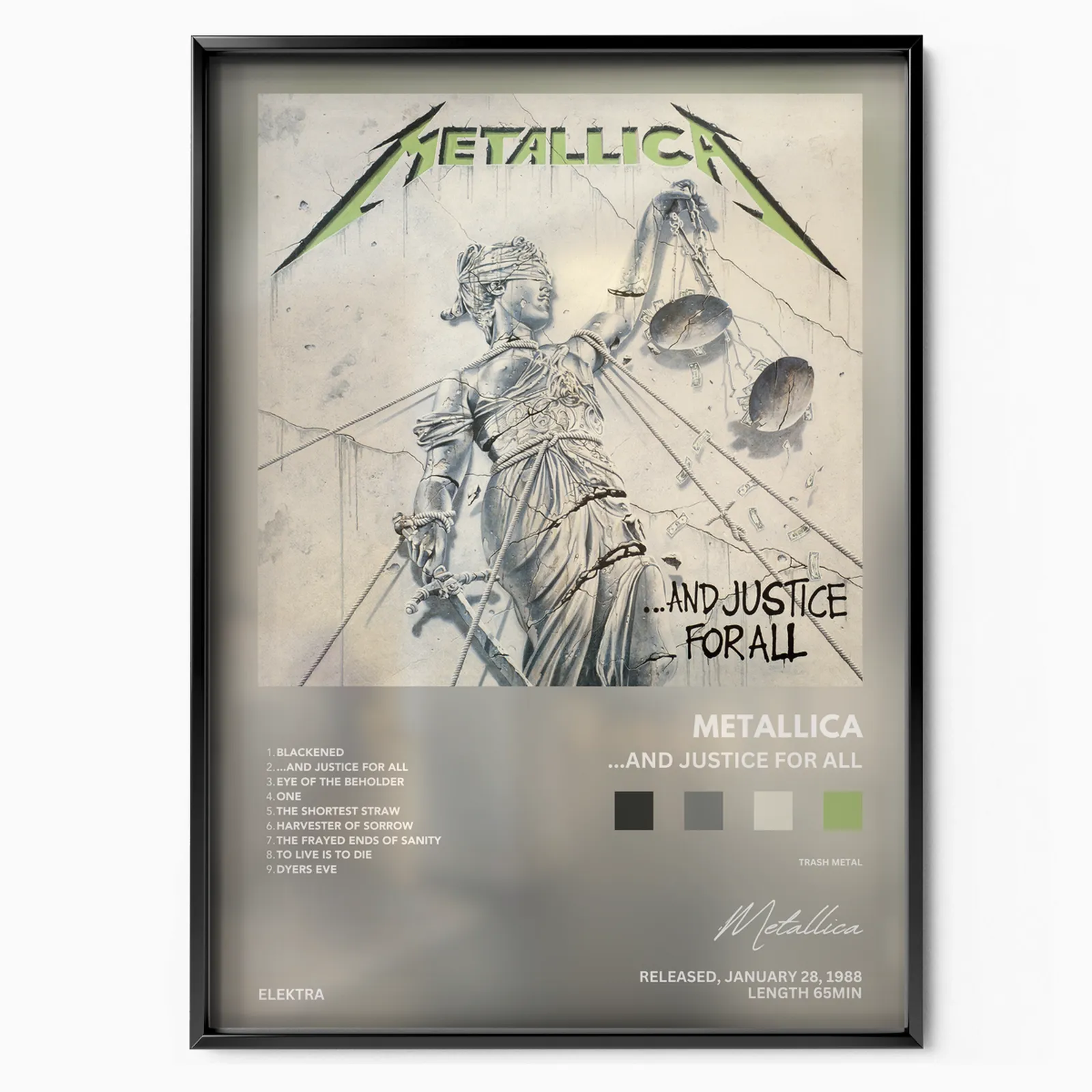
1988...And Justice for All
The Black Album and Reinvention1991-1997
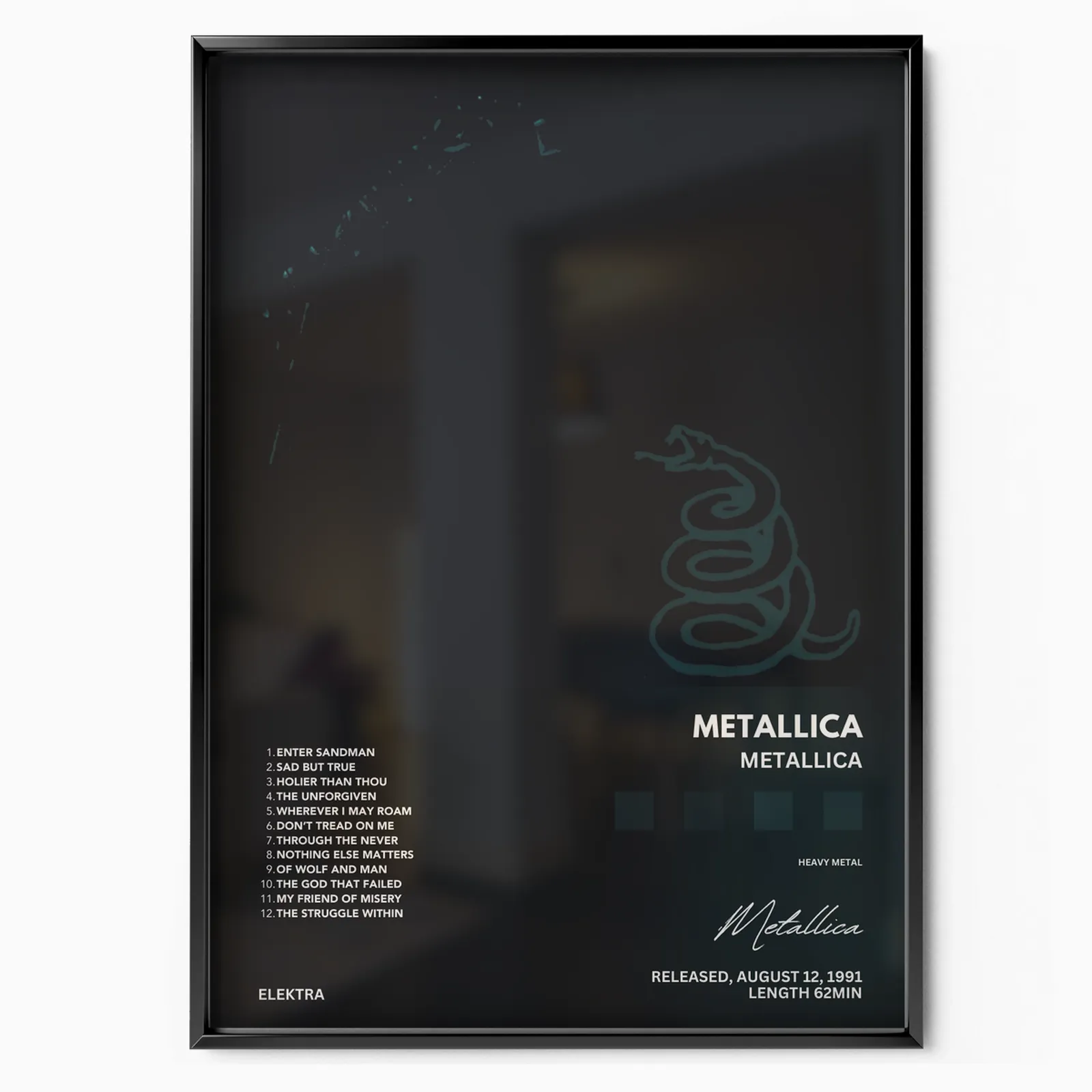
1991Metallica (The Black Album)
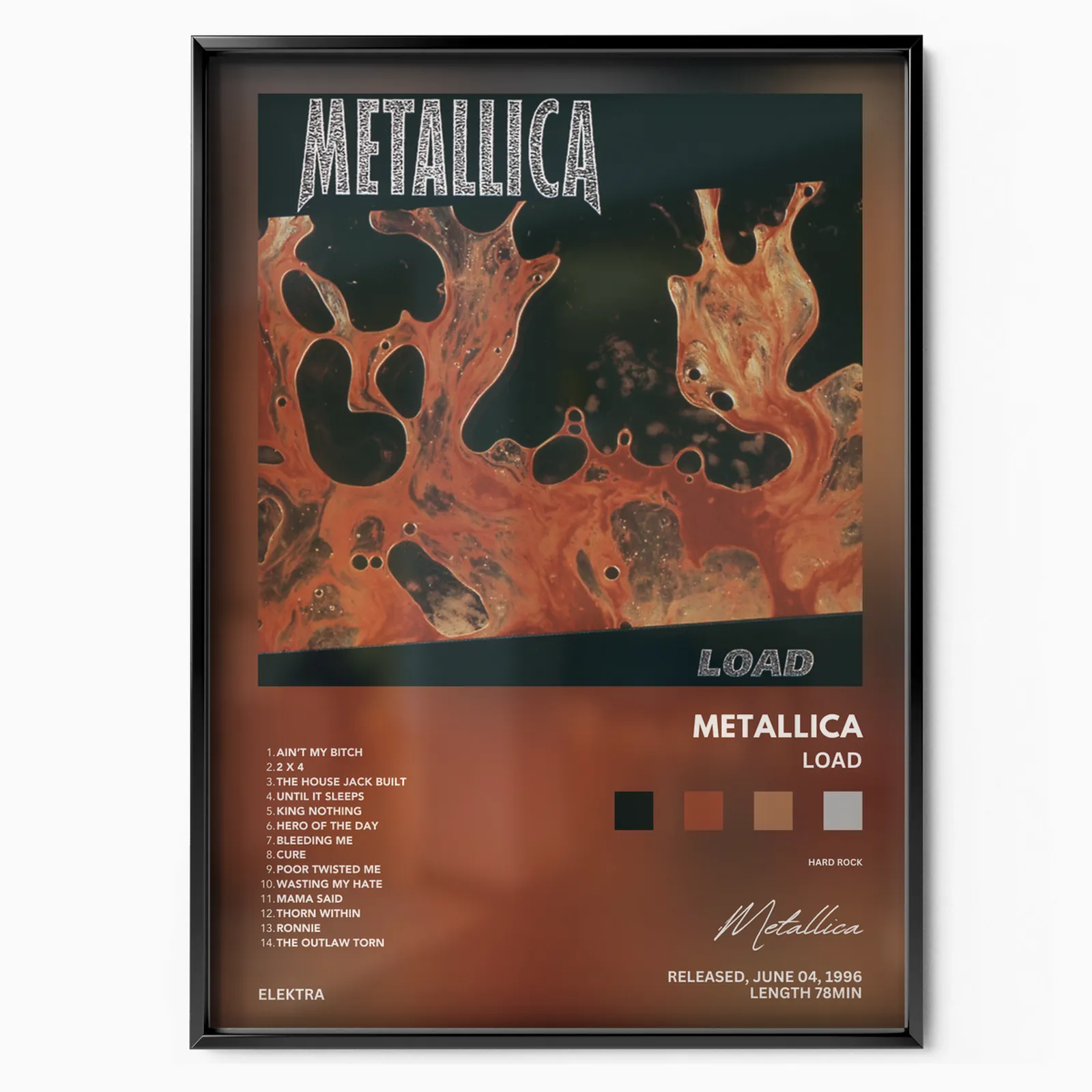
1996Load
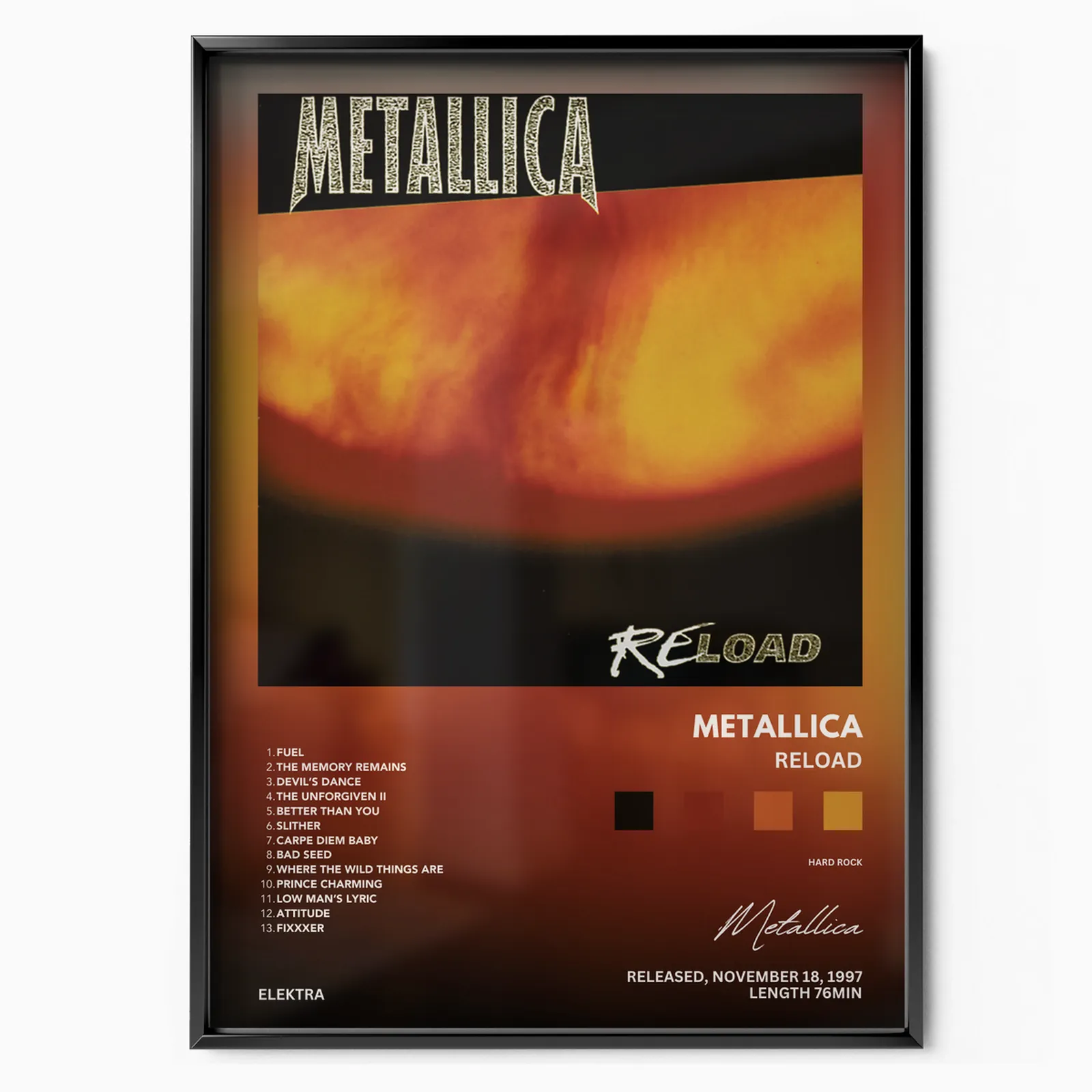
1997Reload
Raw Nerve and Return2003-2008
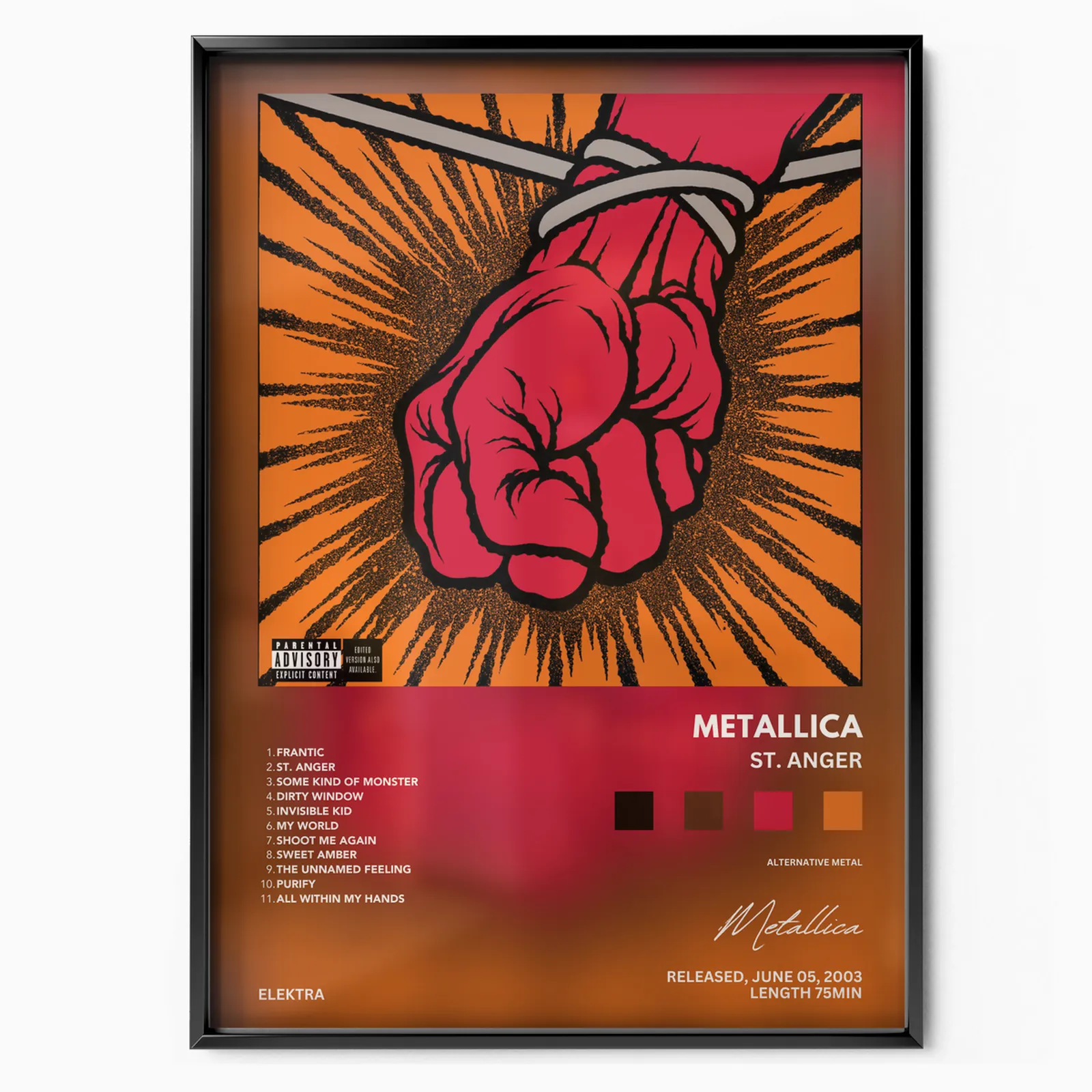
2003St. Anger
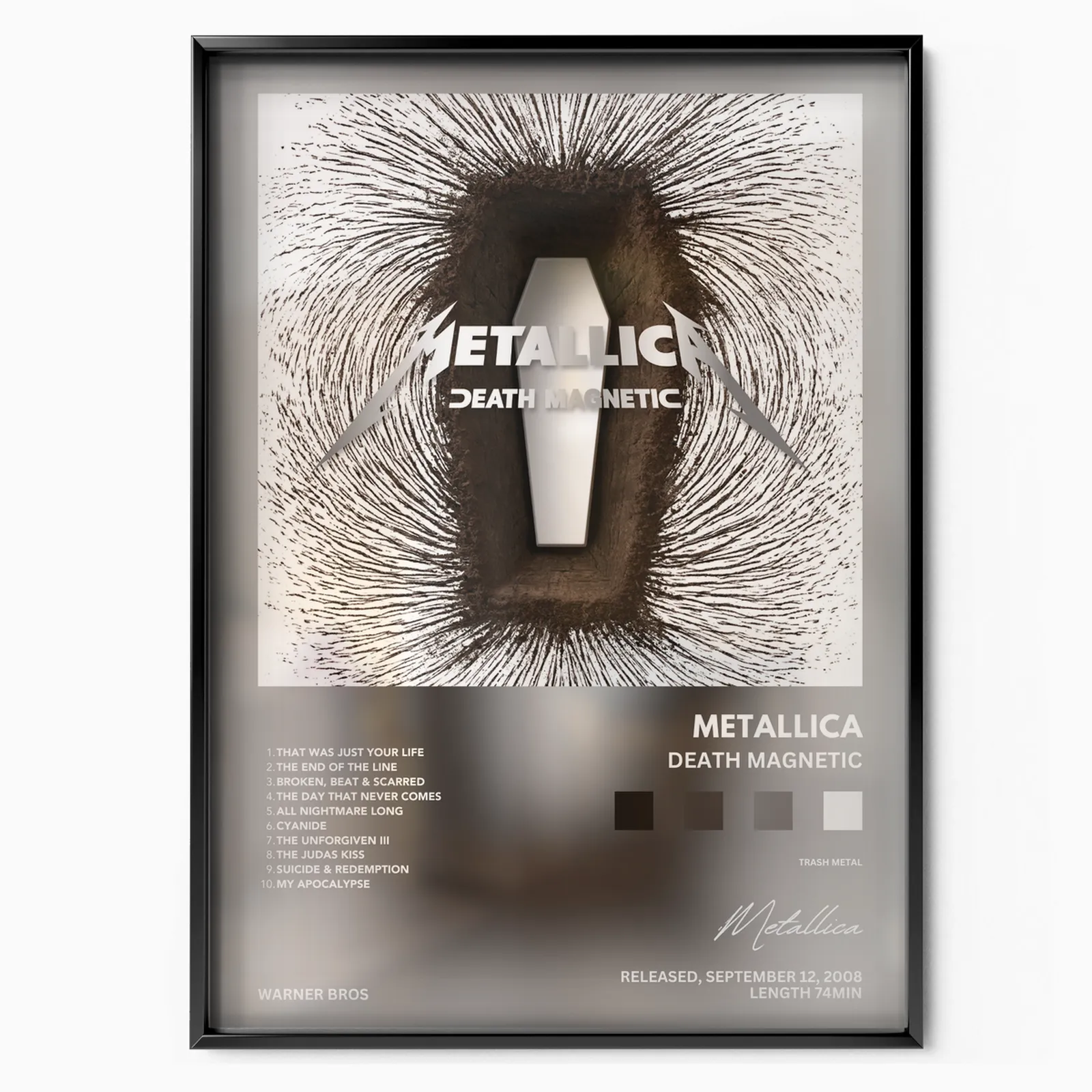
2008Death Magnetic
Modern Metallica2016-2023
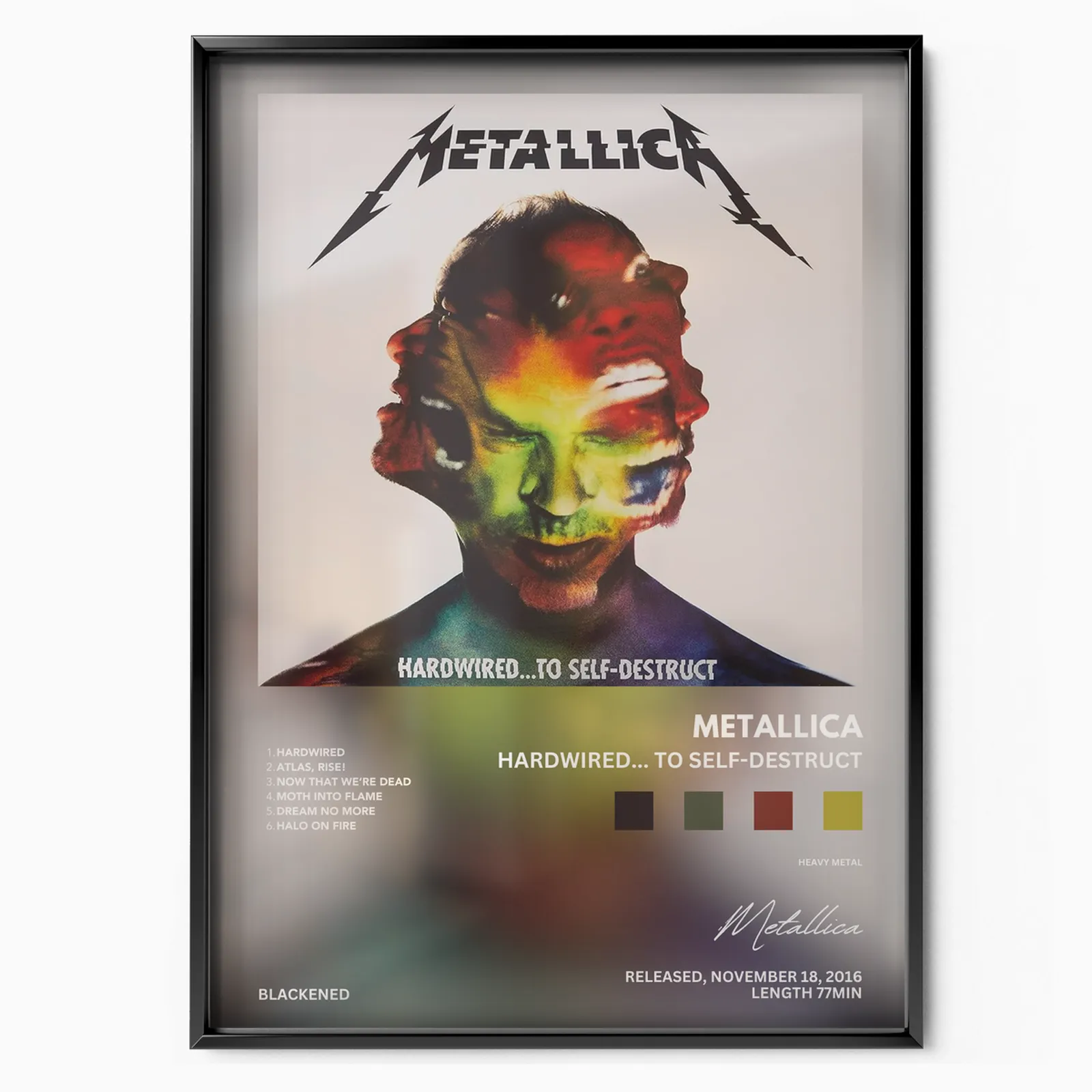
2016Hardwired... to Self-Destruct
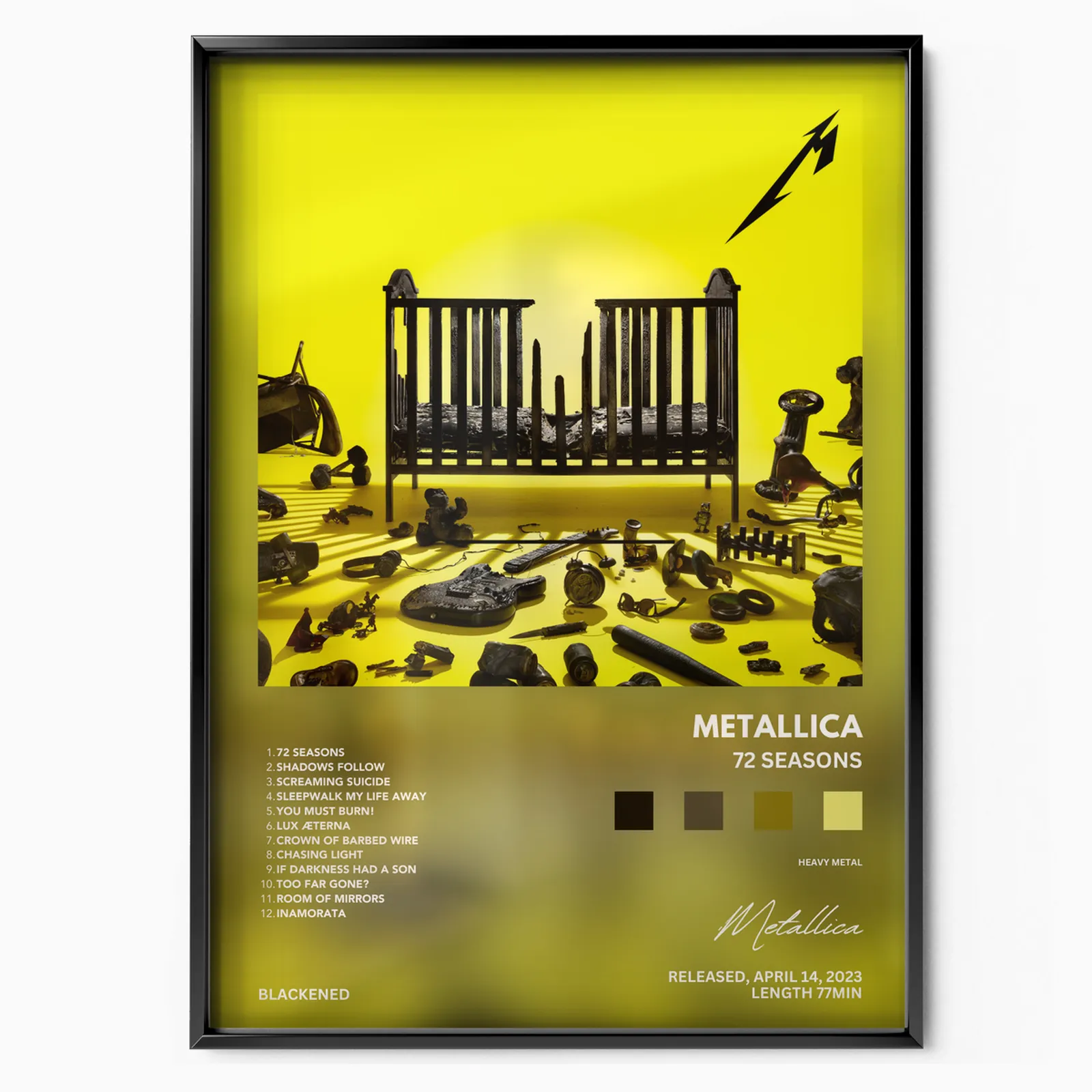
202372 Seasons

The Thrash Years1983-1988

  • 1983Kill 'Em All The raw, breakneck debut that helped define American thrash metal.
  • 1984Ride the Lightning A darker, more ambitious leap, titled after a line from Stephen King's The Stand.
  • 1986Master of Puppets The crowning thrash masterpiece, its cross-filled cemetery cover an instant icon.
  • 1988...And Justice for All Complex, political, and the first record made after Cliff Burton's death.

The Black Album and Reinvention1991-1997

  • 1991Metallica (The Black Album) The stripped-down blockbuster that made Metallica the biggest band in metal.
  • 1996Load A looser, bluesier reinvention wrapped in Andres Serrano's abstract cover art.
  • 1997Reload The companion record that pushed the mid-90s experiment even further.

Raw Nerve and Return2003-2008

  • 2003St. Anger A raw, solo-free record made as the band nearly fell apart.
  • 2008Death Magnetic A thrash-fueled comeback and a lightning rod in the loudness wars.

Modern Metallica2016-2023

  • 2016Hardwired... to Self-Destruct A lean, furious double album that reconnected with their thrash roots.
  • 202372 Seasons A reflective late-career record built around the first eighteen years of life.

Few bands turned album covers into cultural artifacts the way Metallica did. From a toilet and a dagger to a field of white crosses under a blood-red sky, their sleeves are as recognizable as the riffs that made them famous. This collection follows the catalogue in order, museum-quality prints of the exact artwork that soundtracked four decades of the biggest band in metal. Pick the one album that means something to you, or line up the whole run and watch a band evolve across your wall.

The Thrash Years (1983 to 1988)

It started loud and fast. Kill 'Em All landed in 1983, originally meant to be titled Metal Up Your Ass before the label talked them out of it, and it helped light the fuse for American thrash. A year later Ride the Lightning arrived, its title lifted from a line in Stephen King's The Stand about the electric chair, and the songwriting grew real teeth, faster, heavier, and far more adventurous. Then came the masterpiece: Master of Puppets in 1986, a cemetery of crosses on strings under a red sky, painted by Don Brautigam from a James Hetfield sketch and still ranked among the greatest metal covers ever made. ...And Justice for All closed the run in 1988 with Lady Justice bound in ropes and buckling under the weight of dollar bills, the first record written and recorded after bassist Cliff Burton died in a tour bus crash in Sweden. Four covers, four cornerstones of the genre.

The Black Album and Reinvention (1991 to 1997)

Everything changed in 1991. Metallica, the record everyone calls the Black Album, stripped the songs to their bones with producer Bob Rock and became the best-selling album of the SoundScan era, its coiled Gadsden snake barely visible on a field of black. Producer Bob Rock pushed them toward shorter, tighter songs, and Enter Sandman turned the band into a stadium fixture almost overnight. Then they did the unexpected. Load in 1996 and Reload in 1997 wrapped a looser, bluesier Metallica in Andres Serrano's abstract photography, cut their hair, and split the fanbase straight down the middle.

Raw Nerve and Return (2003 to 2008)

St. Anger in 2003 is the sound of a band nearly coming apart, no guitar solos, a snare tone fans still argue about today. Five years later Death Magnetic brought the thrash roaring back and became a flashpoint in the loudness wars, its coffin-and-cross artwork a knowing nod to where the band began.

Modern Metallica (2016 to 2023)

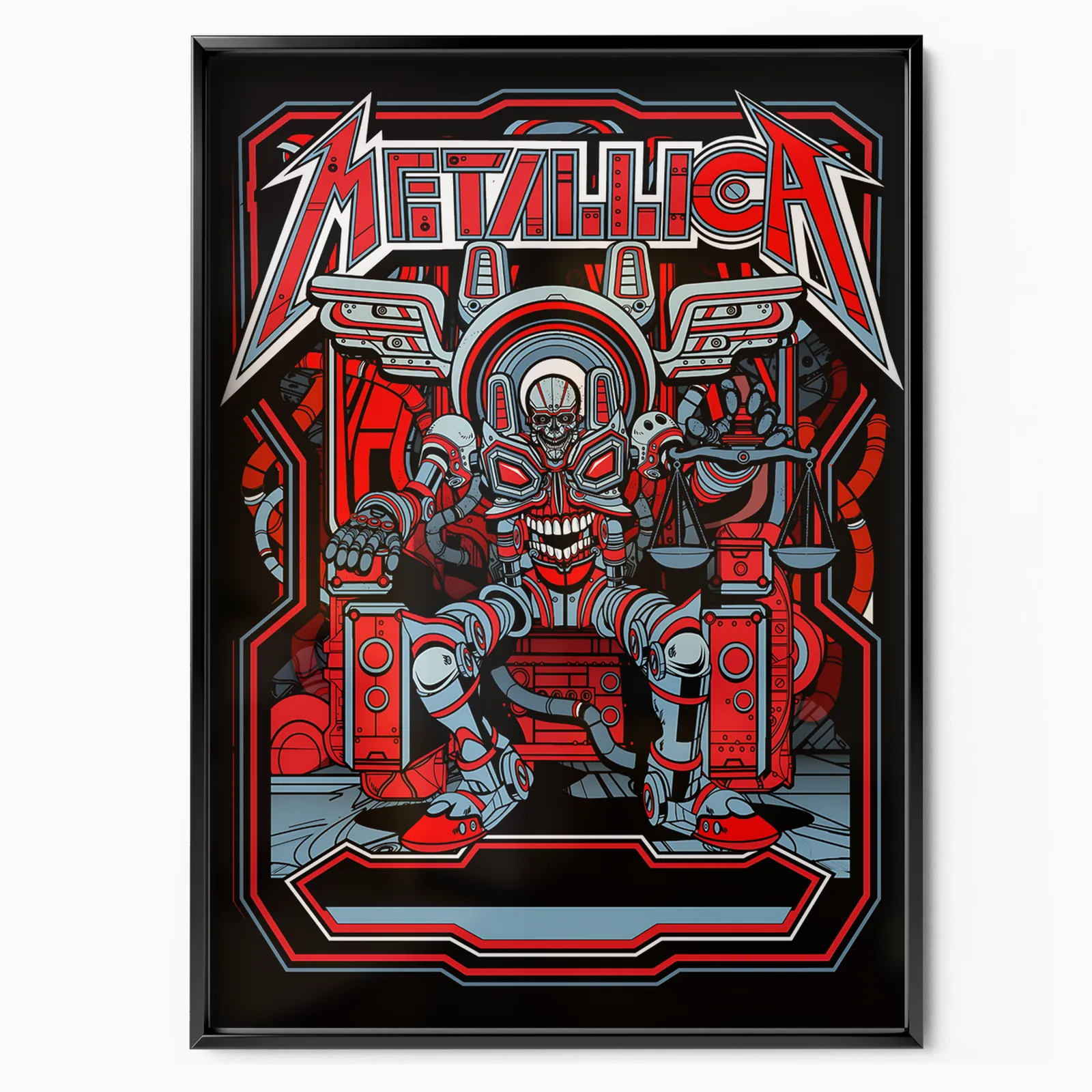
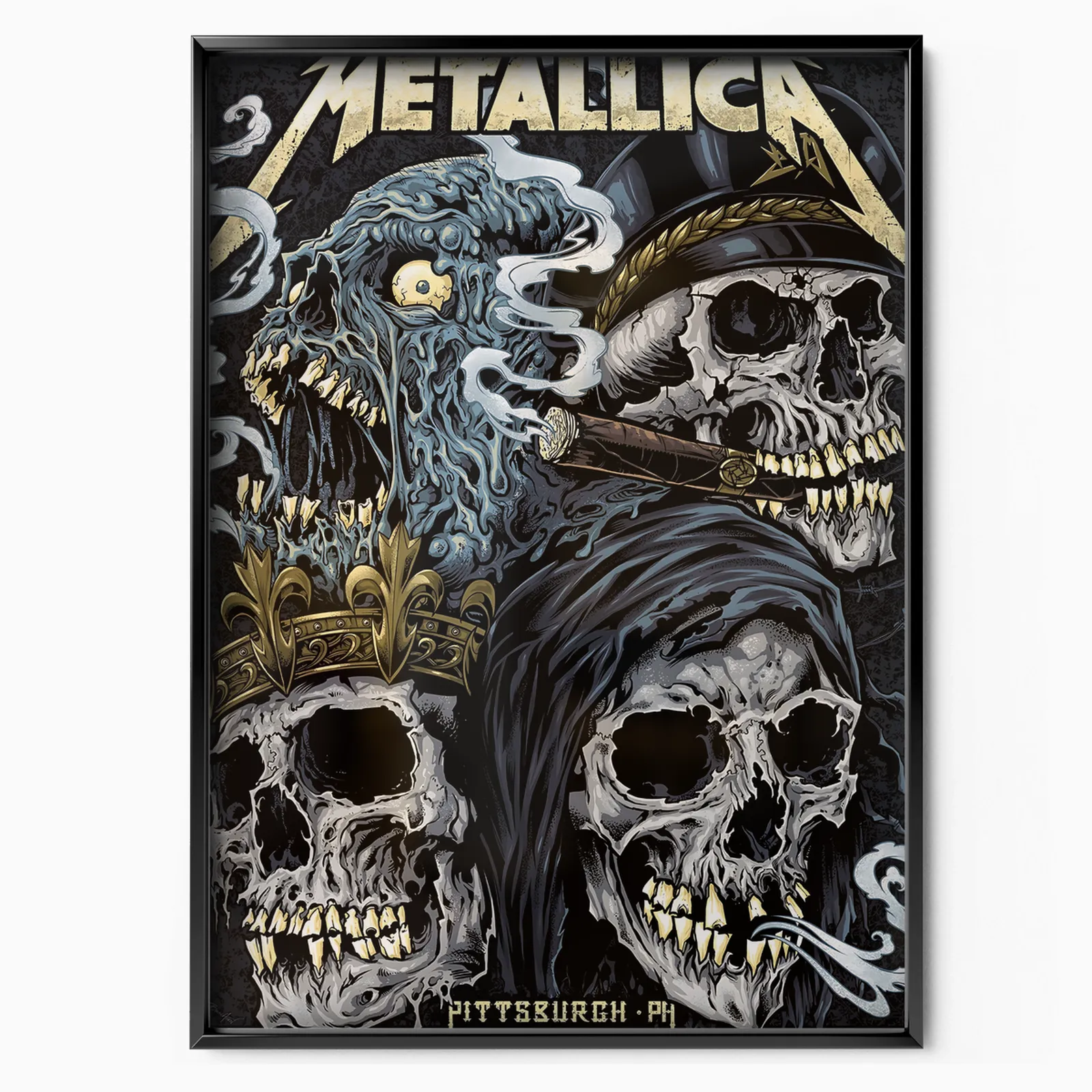
The catalogue closes strong. Hardwired... to Self-Destruct arrived in 2016 as a double album, twelve tracks of lean, furious metal. 72 Seasons followed in 2023, its title a reference to the number of seasons a person lives through in their first eighteen years. Beyond the studio albums, the collection also holds tour and art posters for the collector who wants something off the beaten path.

Sizes and framing. Every poster prints on museum-quality paper in a full range of formats, from A4 for a desk or a tight cluster, up through A3 and A2, to A1 for a statement piece that owns the room. Order framed for a finished, ready-to-hang look, or unframed if you plan to match your own moulding. The heavier the album, the bigger it tends to want to be: Master of Puppets and the Black Album reward the larger sizes.

Building a gallery wall. Metallica's covers are a gift for grouping. Run the four thrash records in a 2x2 grid for a black-and-grey block that reads as one piece. Or go chronological down a hallway, Kill 'Em All to 72 Seasons, and let the visual shift from crosses to snake to coffin tell the whole story. Drop in a tour poster to break the pattern. Keep the frames consistent and the spacing tight, and the wall holds together no matter how many decades it spans.
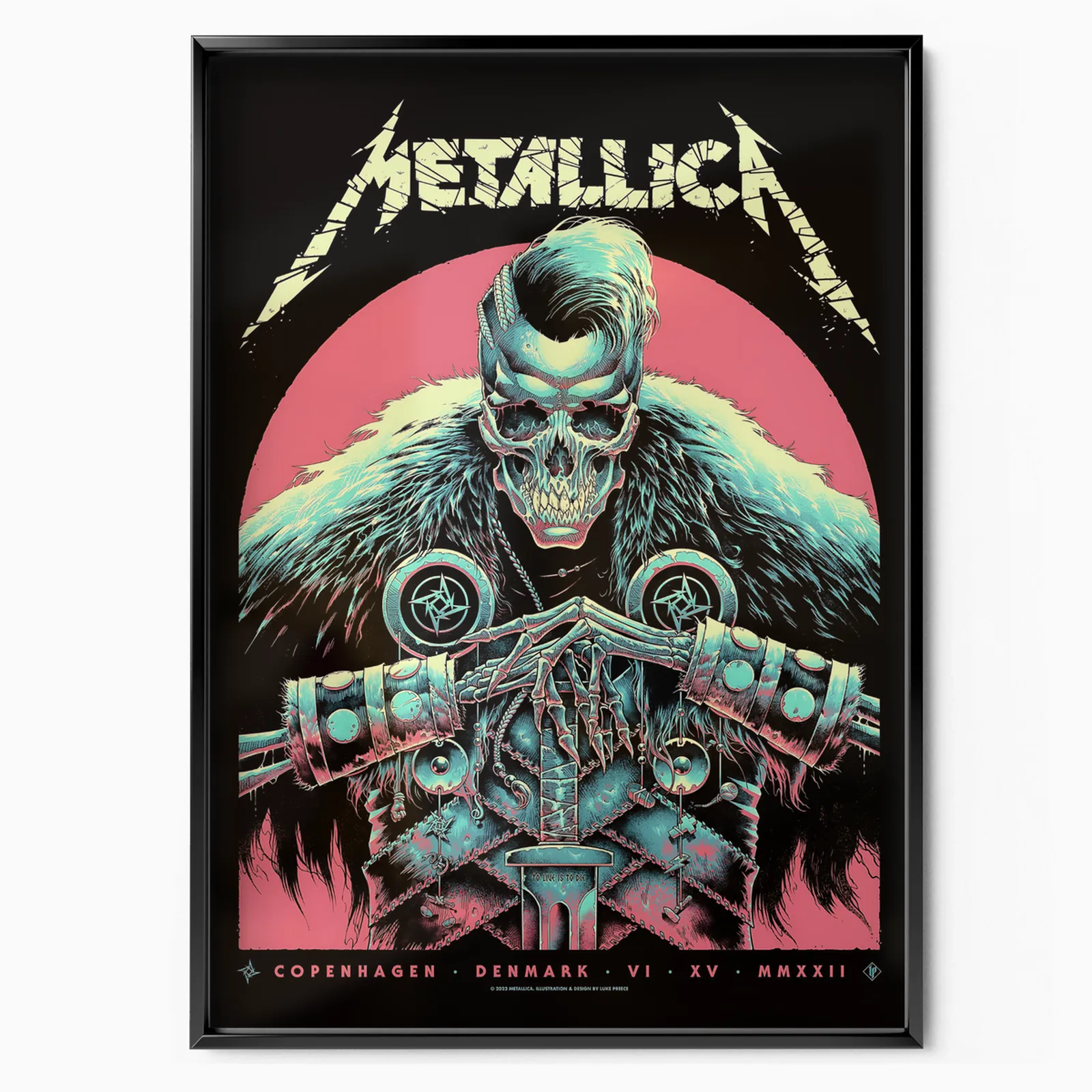
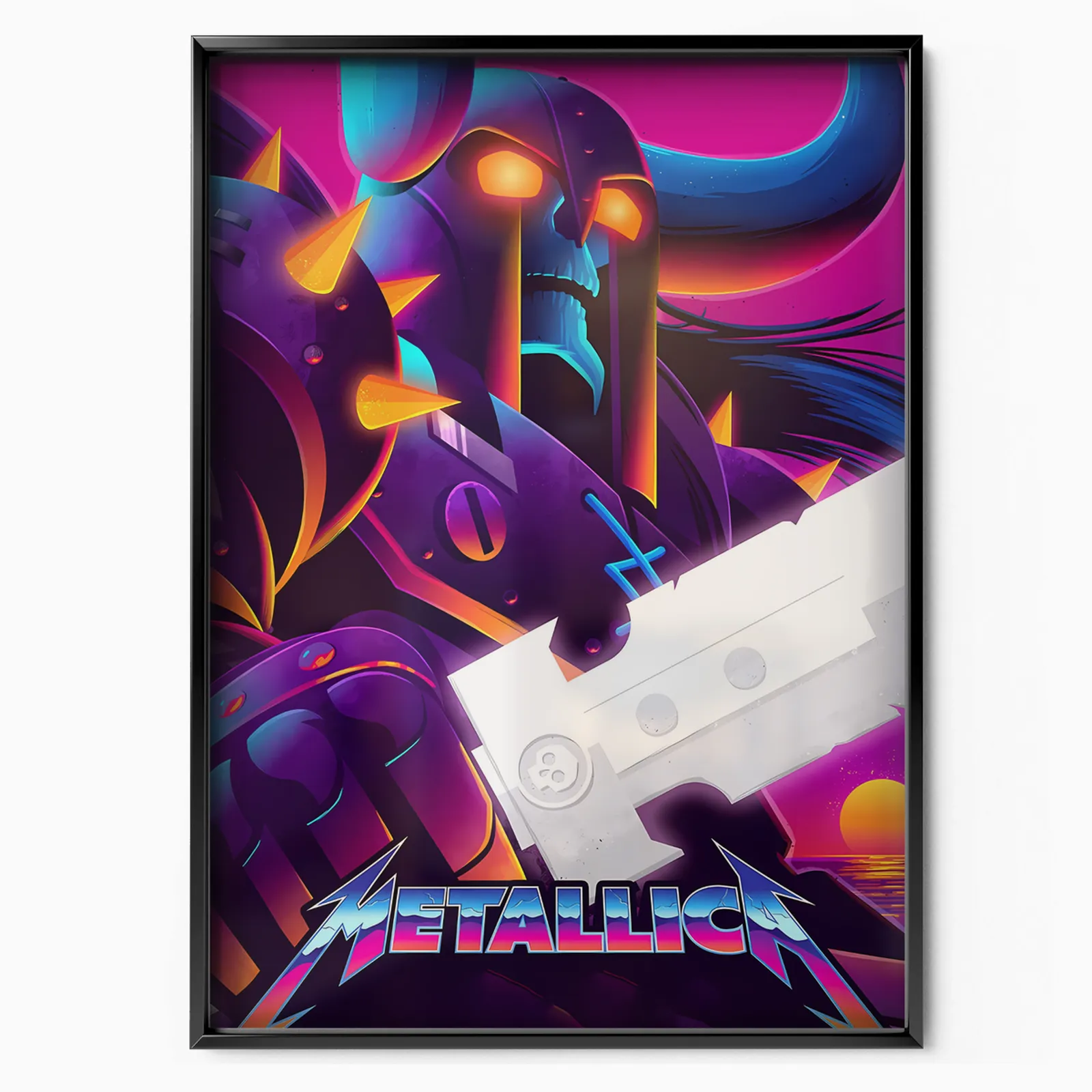
Metallica's story is written on its sleeves as much as in its riffs. Line them up and you can trace the arc: the young thrash fury of the 1980s, the stadium-conquering reinvention of the Black Album, the messy honesty of St. Anger, and the confident modern run through Hardwired and 72 Seasons. No two covers feel the same, yet together they read as one long body of work.

That is what makes them so good on a wall. A single Master of Puppets print anchors a room on its own, while the full run rewards anyone willing to commit the space. Whether you came for one album that scored a specific year of your life, or you want the entire catalogue framed and hung in order, these are archival prints built to last as long as the music has. Pick your era, pick your size, and give the artwork the room it has always deserved.

Good to know about Metallica

  • Kill 'Em All was originally going to be titled Metal Up Your Ass, with cover art of a hand gripping a dagger rising out of a toilet bowl. Manager Jonny Zazula convinced the band to change it after distributors feared the title would hurt sales.
  • The title Ride the Lightning comes from a line in Stephen King's novel The Stand, where the phrase describes execution by electric chair. Kirk Hammett was reading the book at the time and brought the expression to James Hetfield.
  • The Master of Puppets cover was painted by Don Brautigam based on a sketch by James Hetfield, and its field of white crosses is widely read as a nod to Arlington National Cemetery and to the album's theme of people being manipulated like puppets.
  • The bound Lady Justice on the ...And Justice for All cover was nicknamed Doris, and a roughly 35-foot stage version was built to be pulled apart and crumble during the band's Damaged Justice tour.
  • Jason Newsted's bass is famously almost inaudible in the mix of ...And Justice for All, making it one of the most debated production choices in metal history.
  • The Black Album is the best-selling album of the Nielsen SoundScan era in the United States, and in May 2025 the RIAA certified it 2x Diamond for shipments above 20 million, the first metal album to reach that tier.
  • The Load and Reload covers are works by artist Andres Serrano created by pressing together bodily fluids and blood between sheets of plexiglass. Serrano has said James Hetfield remained unhappy about the choice for years afterward.
  • Death Magnetic became a flashpoint in the so-called loudness war: its heavily compressed master drew criticism for lost detail, and thousands of fans signed an online petition asking the band to remix the record.

Support So Good, It Deserves a Tip 💰

Ask us anything (except our favorite poster, we can't choose)

Fast Shipping, Free If You Behave 😇

Free if you go wild +€65

You Spotted Us, You Deserve This 🤫

You've unlocked the secret level. No boss fight, just a discount. (ICU10)

Safe Like Grandma's Secret Recipe 👵

Hackers hate us. Checkout So Safe, Even Hackers Gave Up 🤷‍♂️