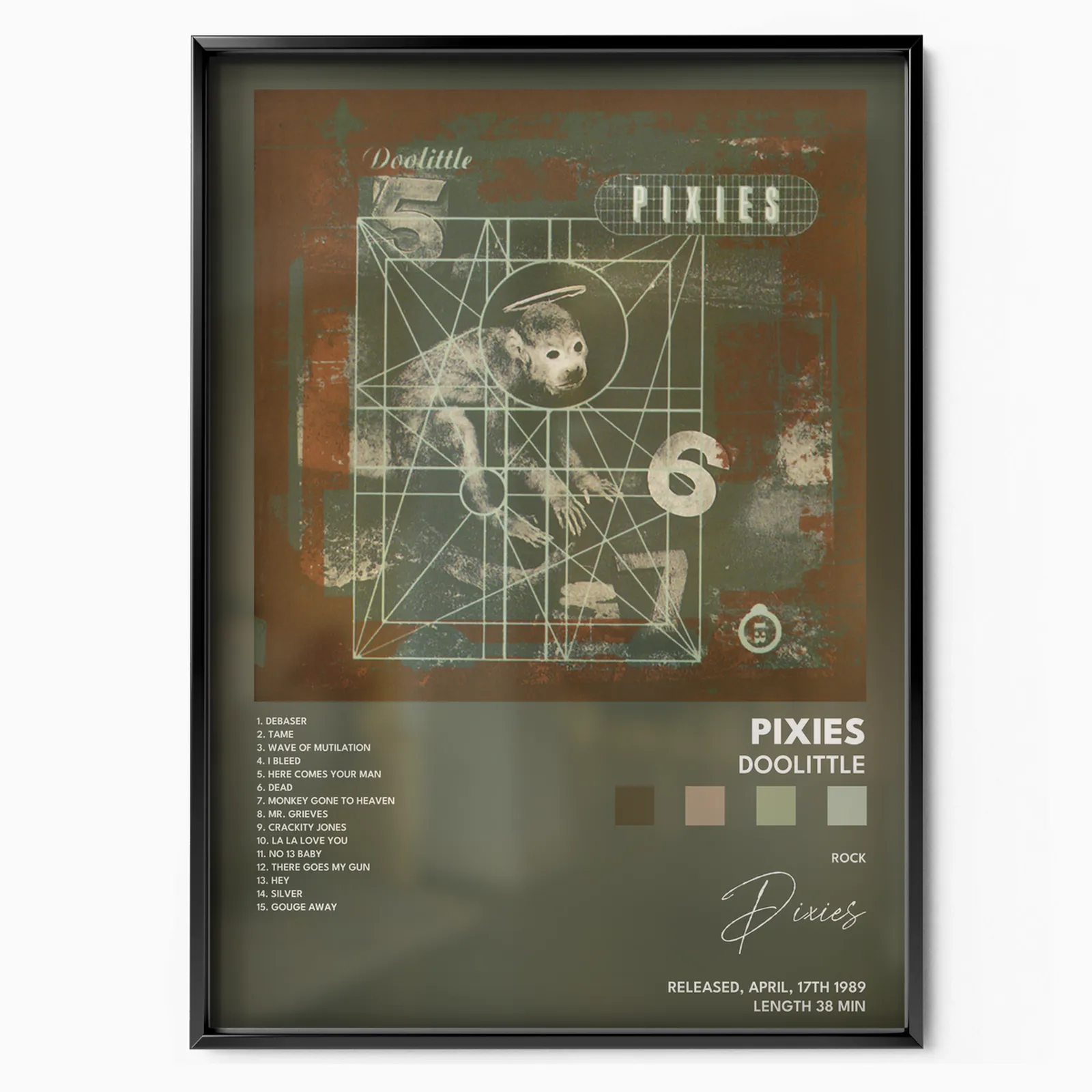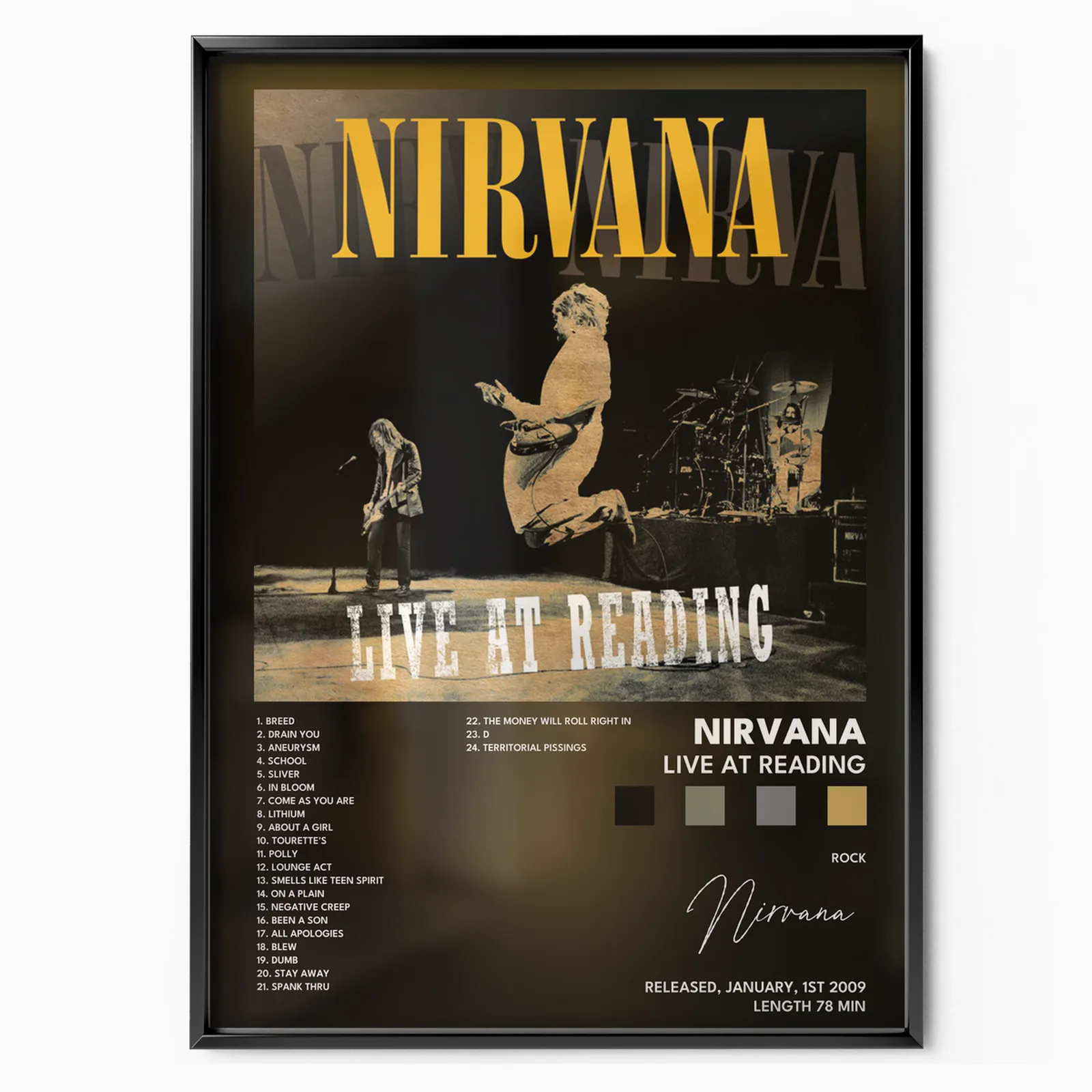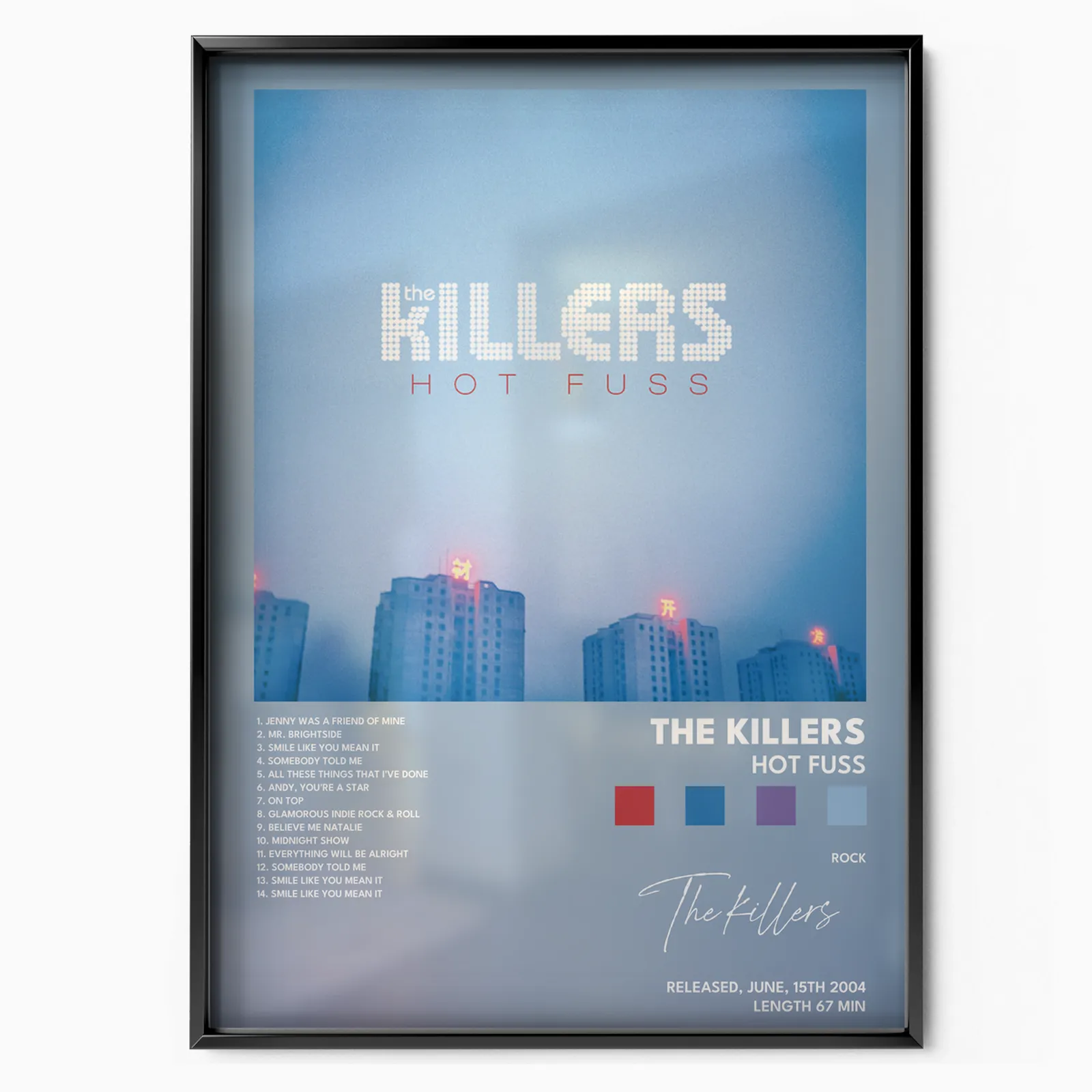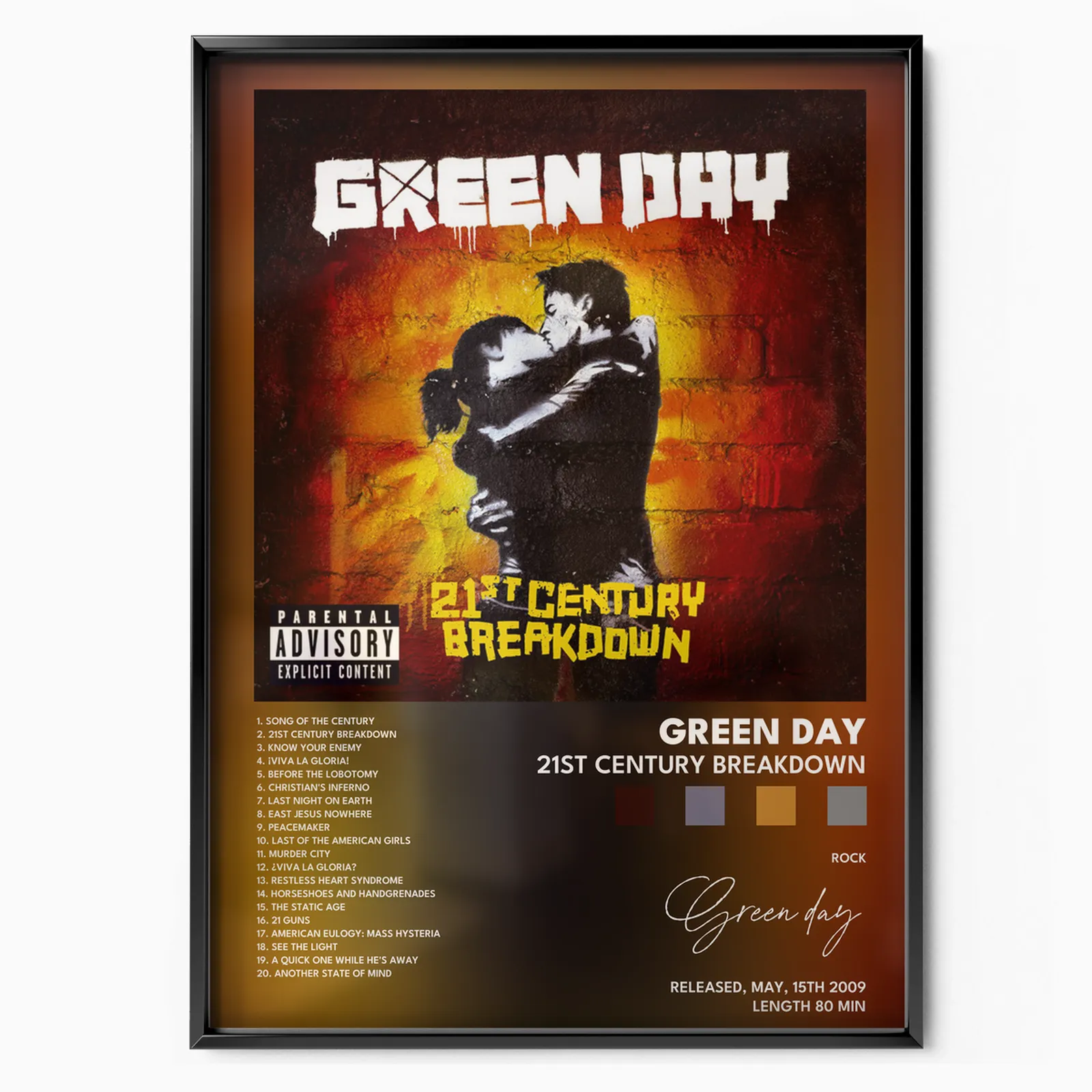
Rock Posters, Printed for the People Who Still Play Records Loud
Rock has never been one sound. It is the swagger of a Fleetwood Mac harmony, the razor blur of a punk chorus, the quiet dread of a Radiohead ballad and the low, downtuned crawl of alt-metal, all under one word. Our Rock collection gathers 745 designs pulled from the bands and records that built and rebuilt the genre across six decades, each one printed on museum-grade 200gsm matte stock and offered from A4 up to poster-sized A1, framed in black or chrome white or shipped unframed. Whether you grew up on vinyl or found these records on a streaming playlist, there is a sleeve here for your bedroom, your studio or your gift list. Because the full range runs on Buy 2 Get 1 Free, filling a wall with the covers you love costs far less than a night out at the show.
Below is a guide to the eras collectors reach for most, grouped the way rock actually grew: the classic-rock titans, the punk and pop-punk upstarts, the grunge wave out of the Pacific Northwest, the heavy end of metal and nu-metal, and the Britpop and indie revival that carried the guitar into a new century. Everything we reference is a real product in this collection, so you can click straight through to the piece you want.
Classic rock: the titans that wrote the rulebook
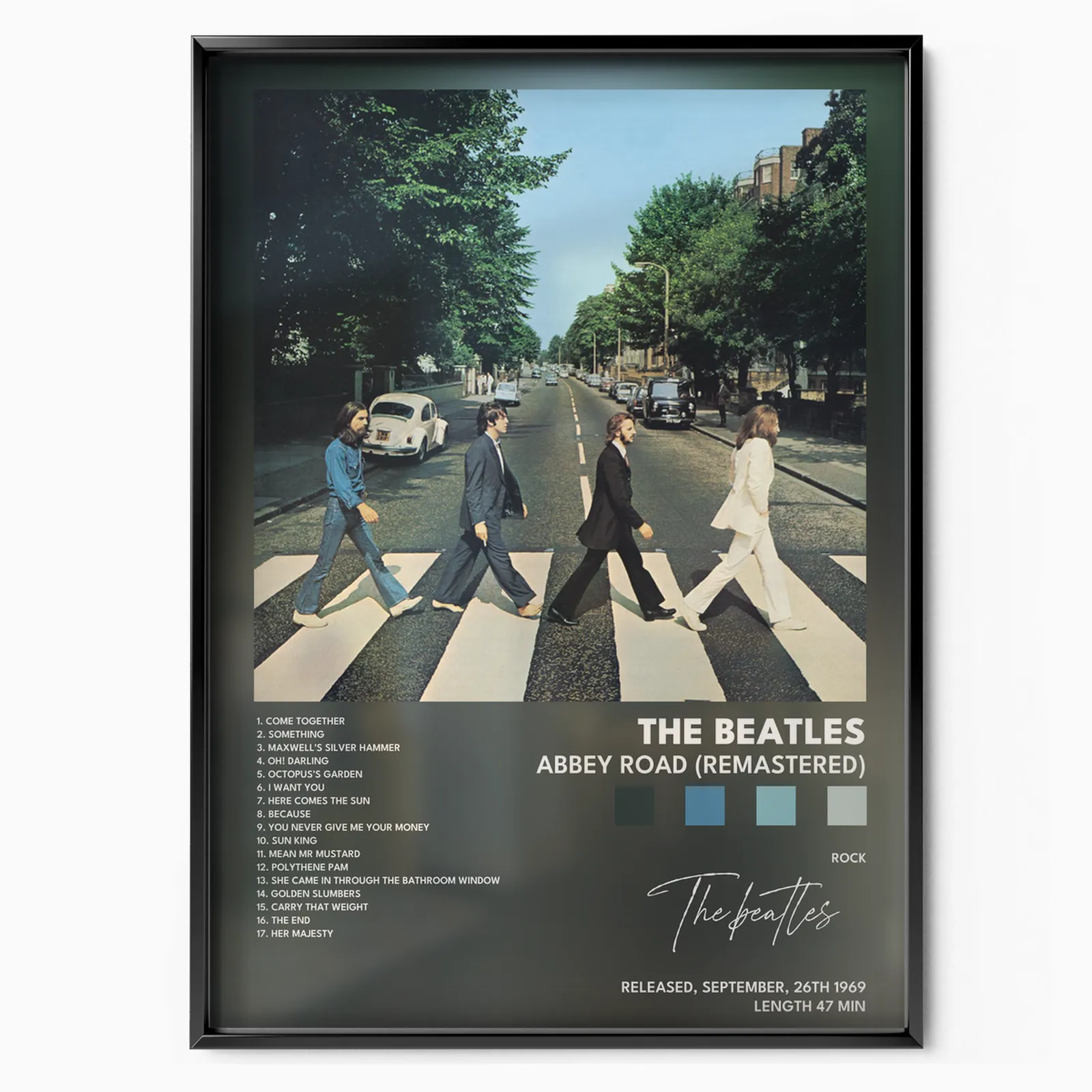
The template was set in the late 1960s and 1970s. The Beatles recorded Abbey Road in 1969, the last album the band made together, its zebra-crossing cover now one of the most recognised images in pop culture. Pink Floyd turned the concept album into an art form, and their 1977 record lives here as Animals, the Battersea pig floating over the sleeve. Fleetwood Mac made heartbreak sound like a hit factory: their 1977 masterpiece Rumours won the Grammy for Album of the Year and has sold more than 40 million copies worldwide. Round out the era with the desert blues of The Eagles on Desperado, the Los Angeles noir of The Doors on Morrison Hotel, Queen's farewell Innuendo and the Texas boogie of ZZ Top's Eliminator.
Punk and pop-punk: three chords and the truth
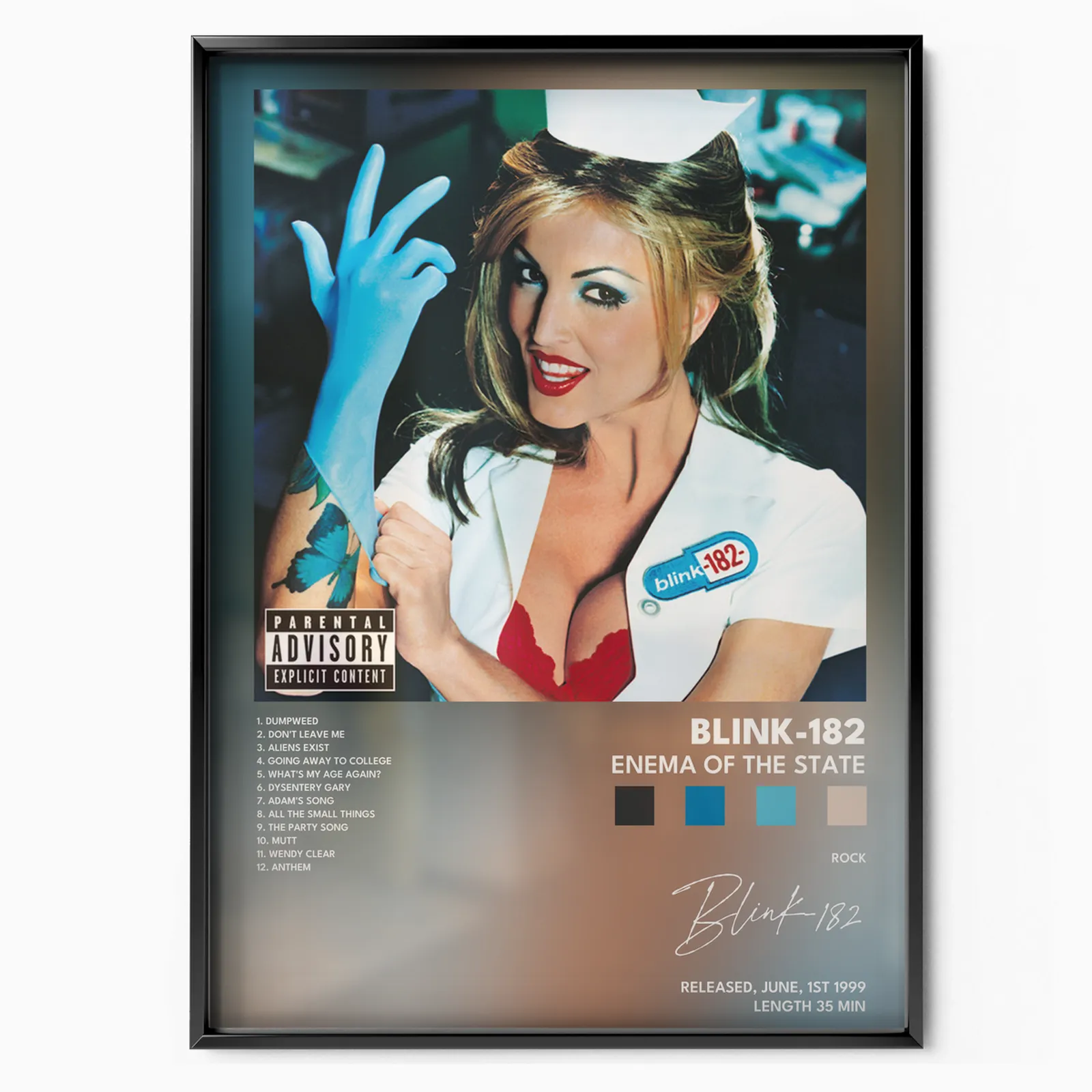
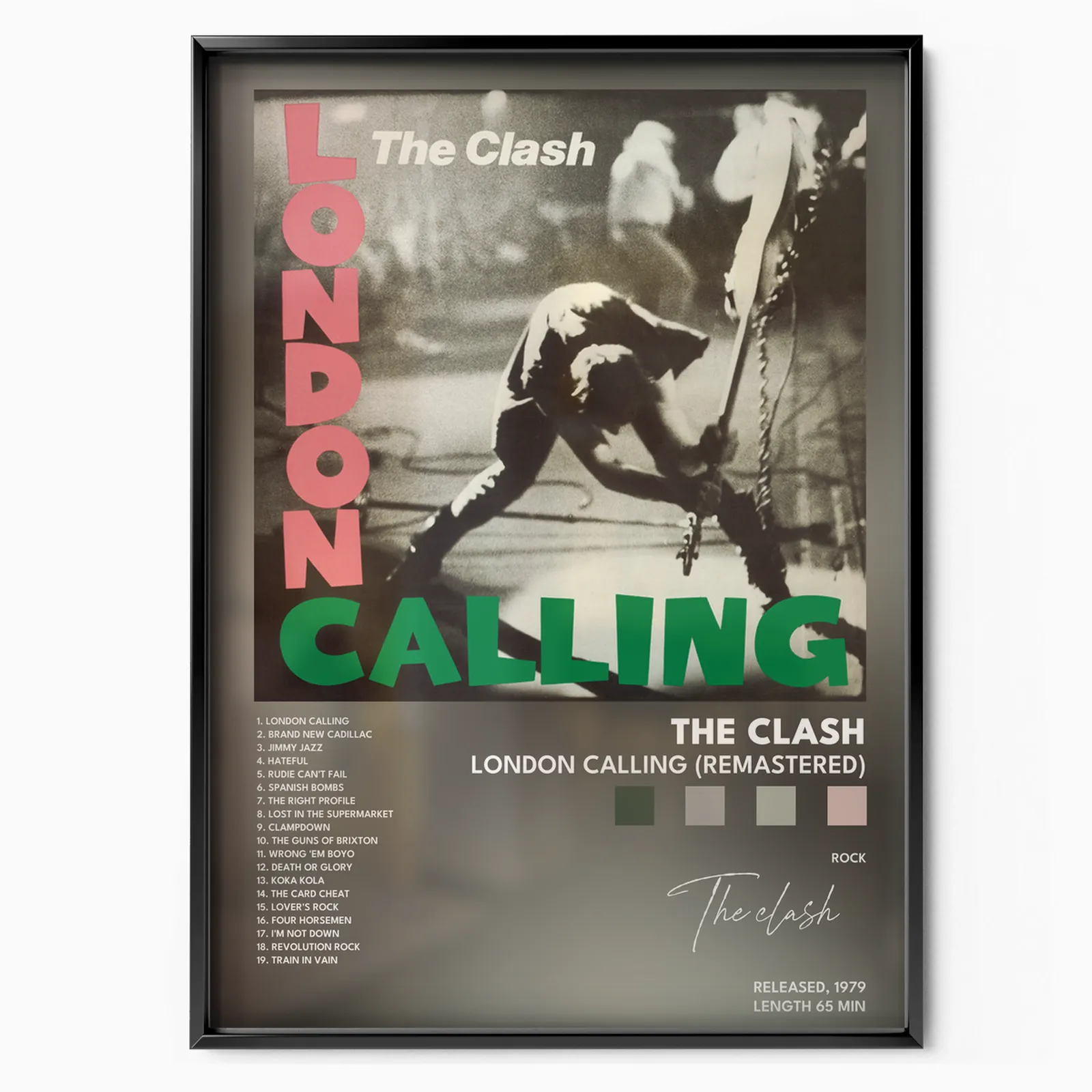
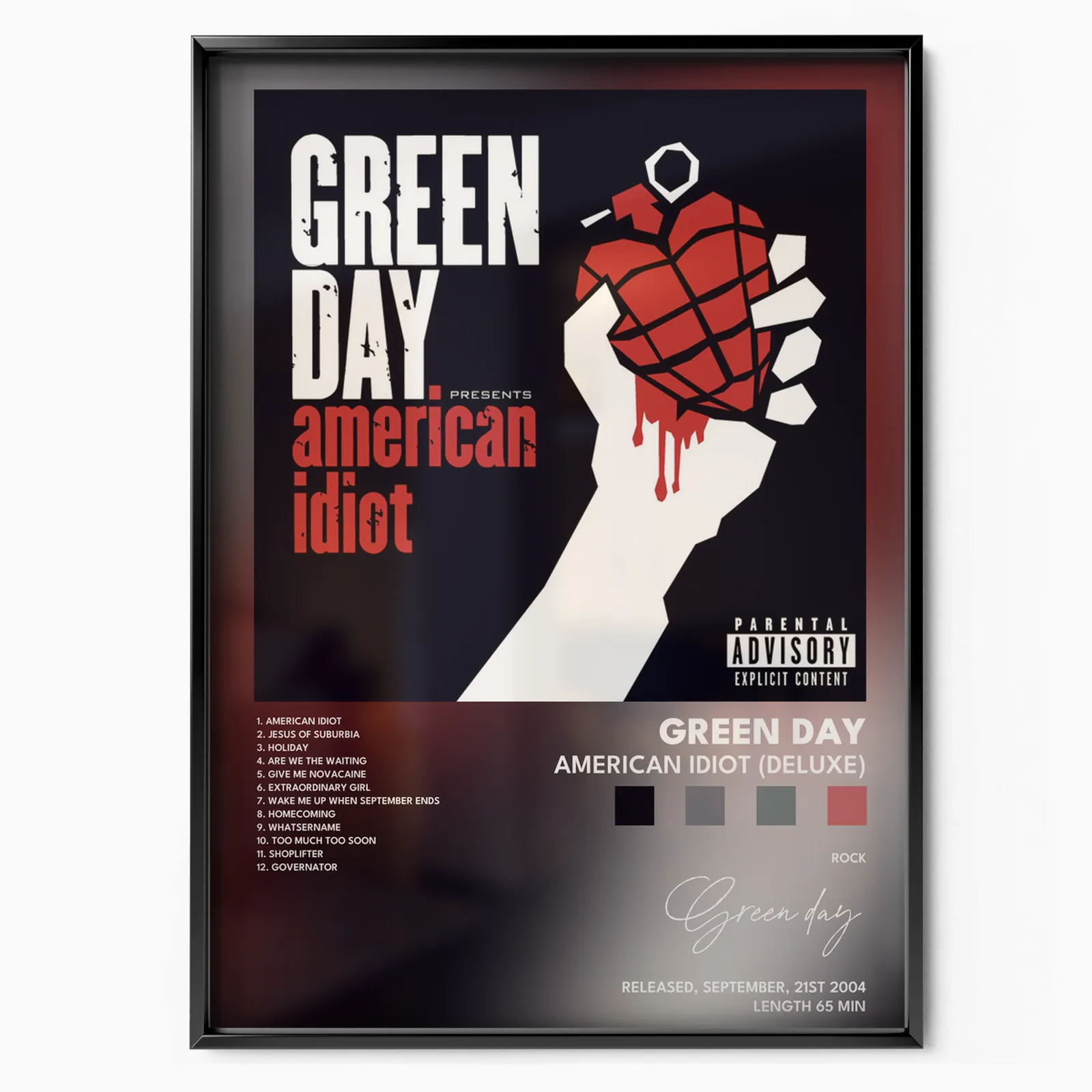
In 1979 The Clash released London Calling, a double album so ambitious that Rolling Stone later crowned it the best album of the 1980s, even though it landed in Britain weeks before the decade began. The Ramones kept it fast and funny on Road to Ruin, while California hardcore veterans Bad Religion distilled the form on Suffer. The 1990s pop-punk boom is here too, from The Offspring's breakout Smash to blink-182's Enema of the State. Green Day carried the flag furthest: their 2004 rock opera American Idiot topped the charts and won the Grammy for Best Rock Album, and the emo generation that followed is captured in My Chemical Romance's The Black Parade.
Grunge and the Seattle sound
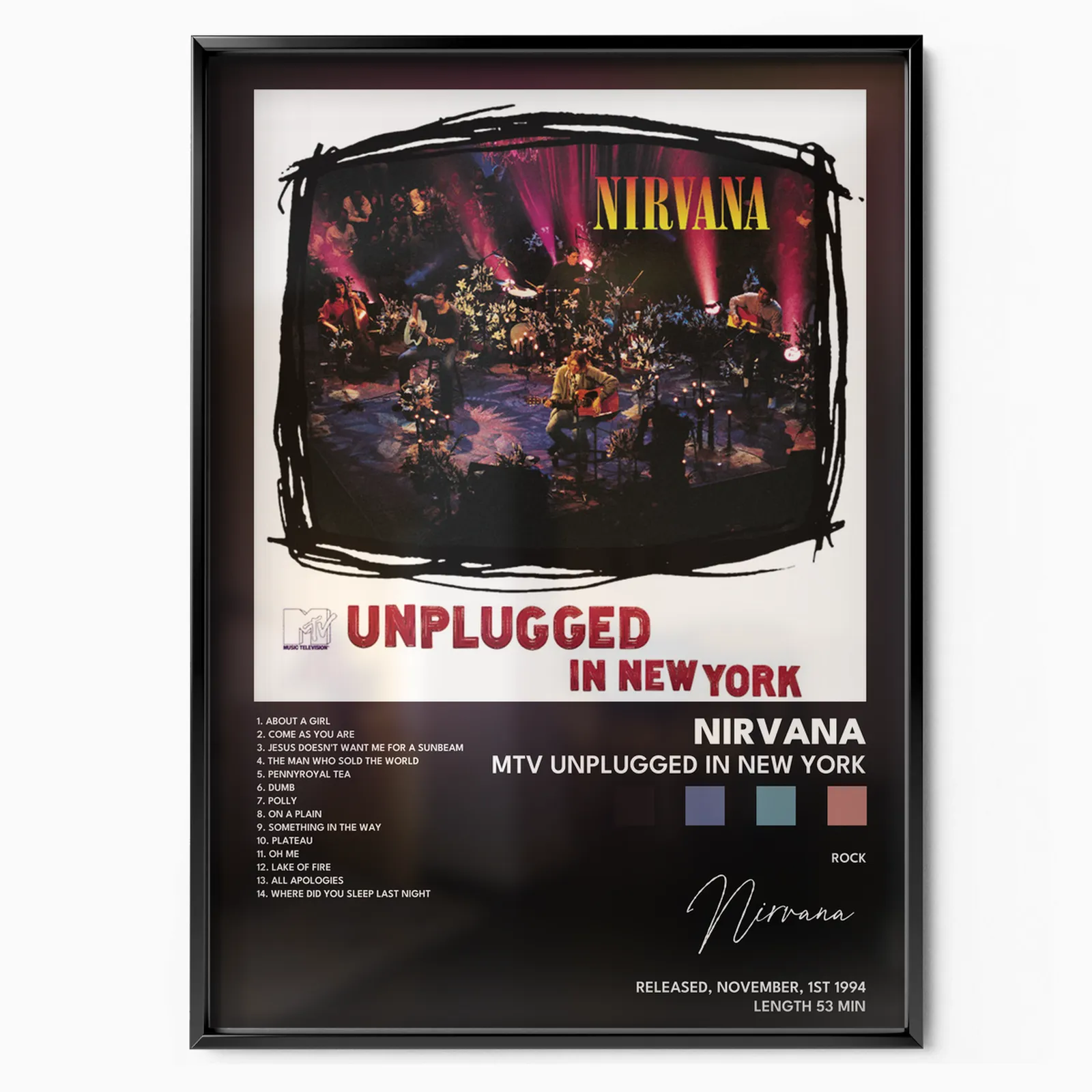
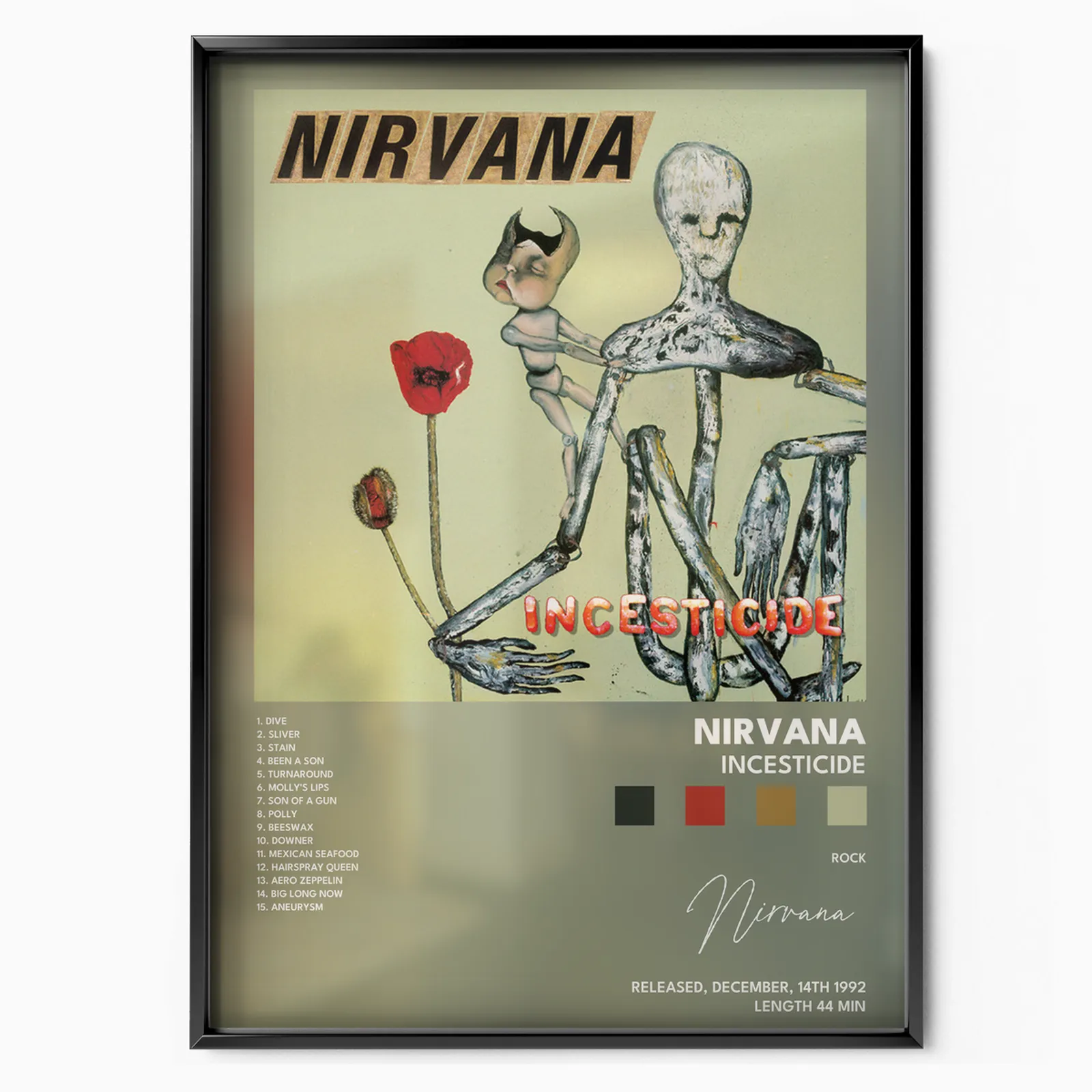
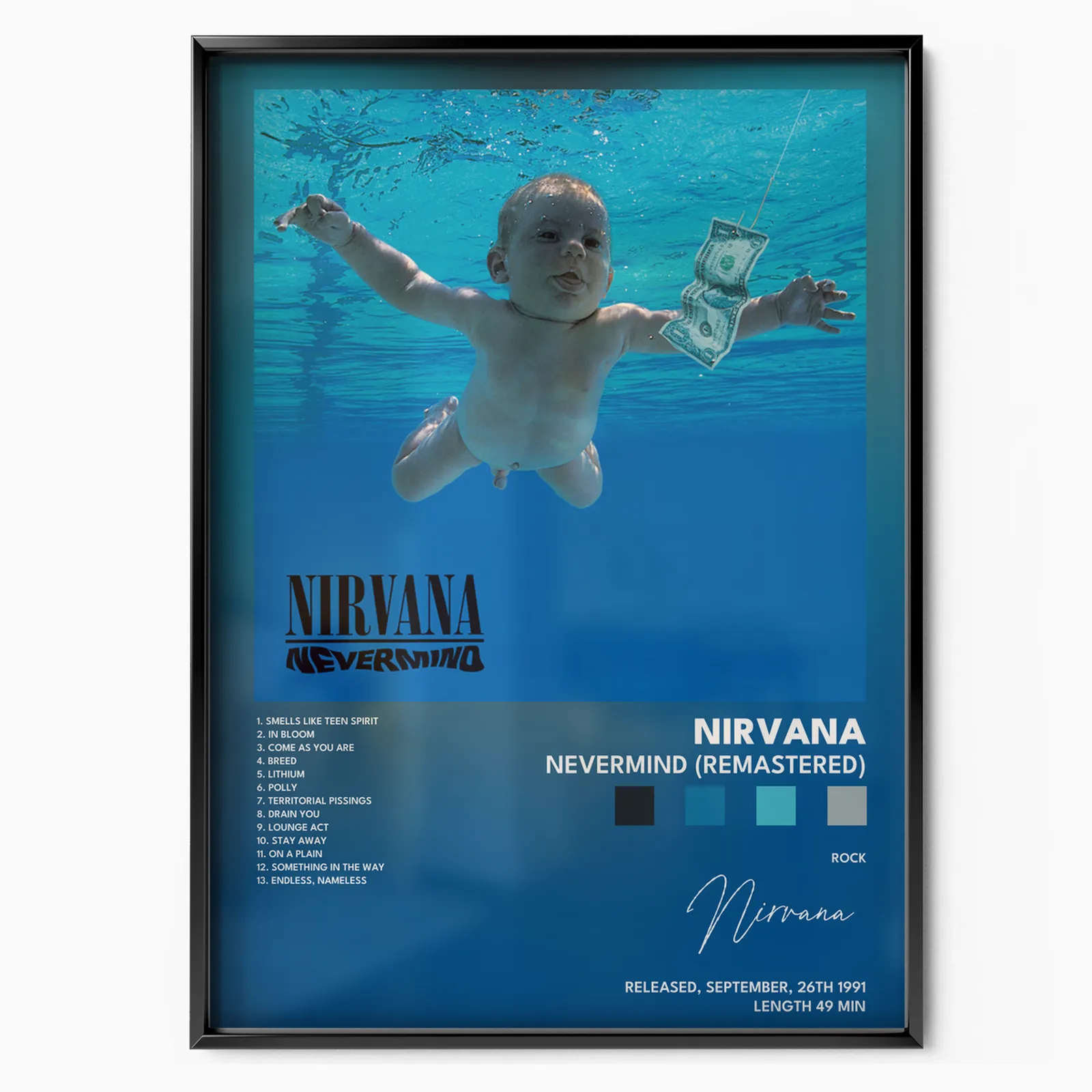
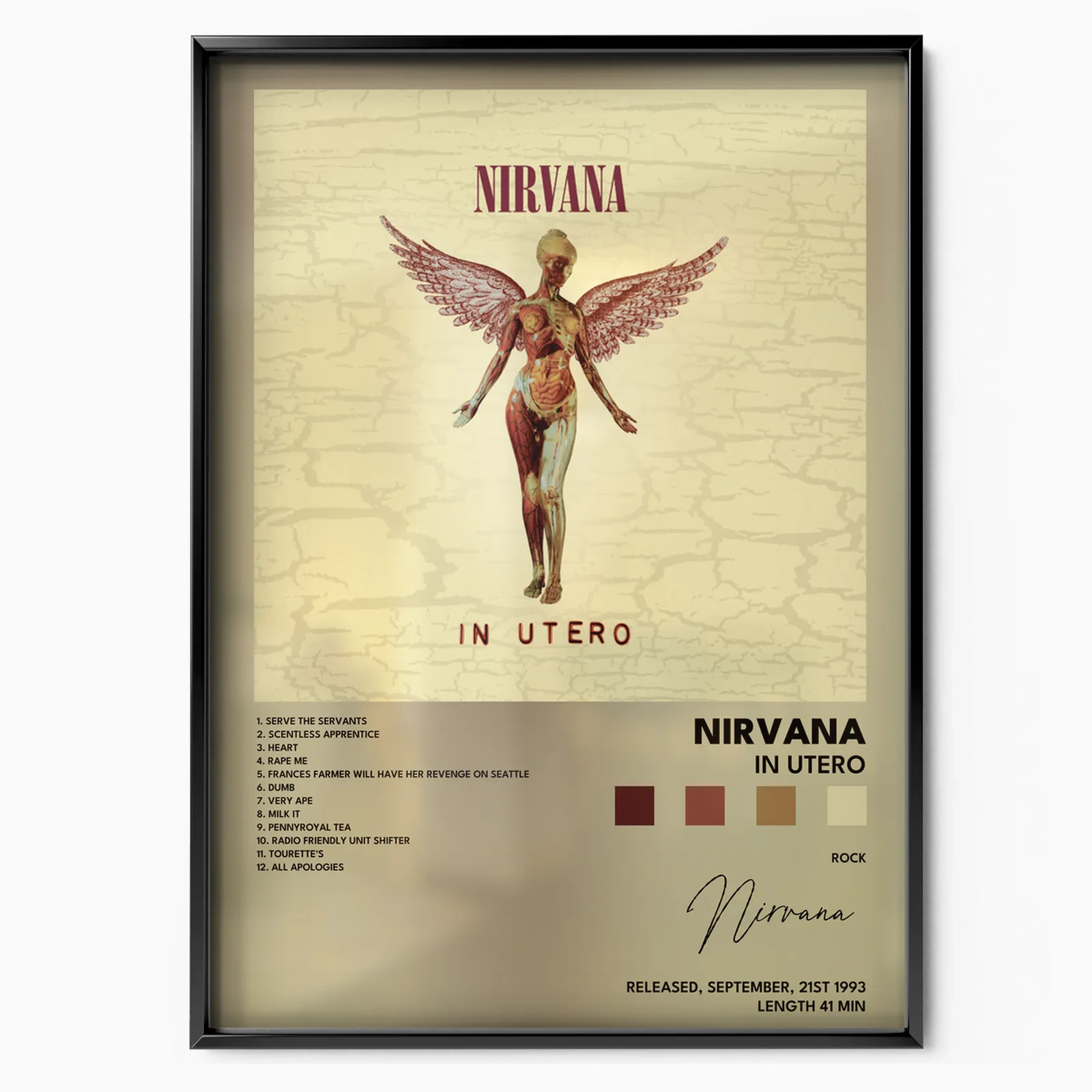
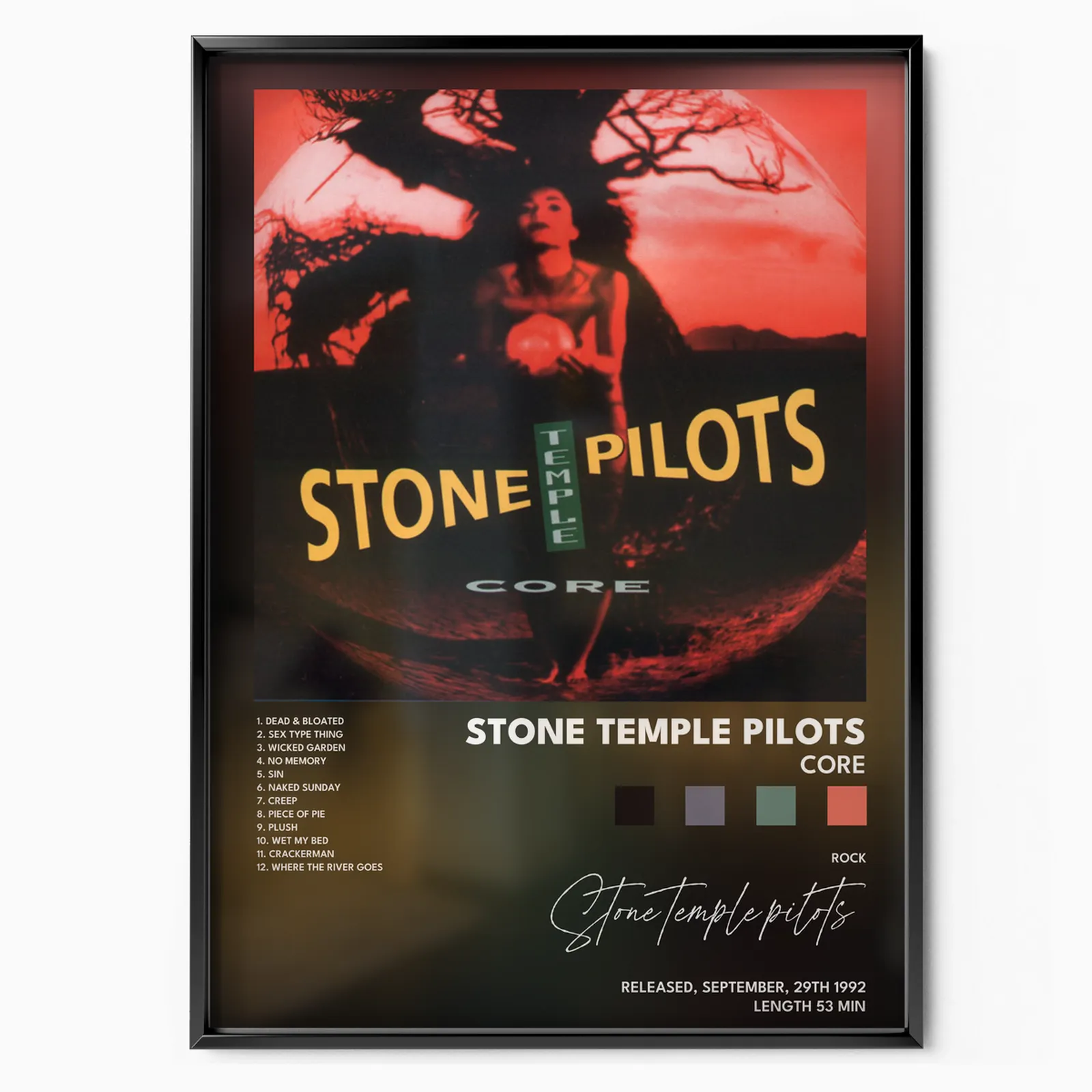
Everything shifted on 24 September 1991. Nirvana's Nevermind knocked Michael Jackson off the top of the Billboard 200 the following January, and alternative rock became the mainstream overnight. The follow-up In Utero and the hushed MTV Unplugged in New York sit beside it here, along with the record that started it all, Bleach. The wider Seattle scene runs through Soundgarden's Down on the Upside, Stone Temple Pilots' Core and the Smashing Pumpkins' debut Gish.
Metal, nu-metal and the heavy end
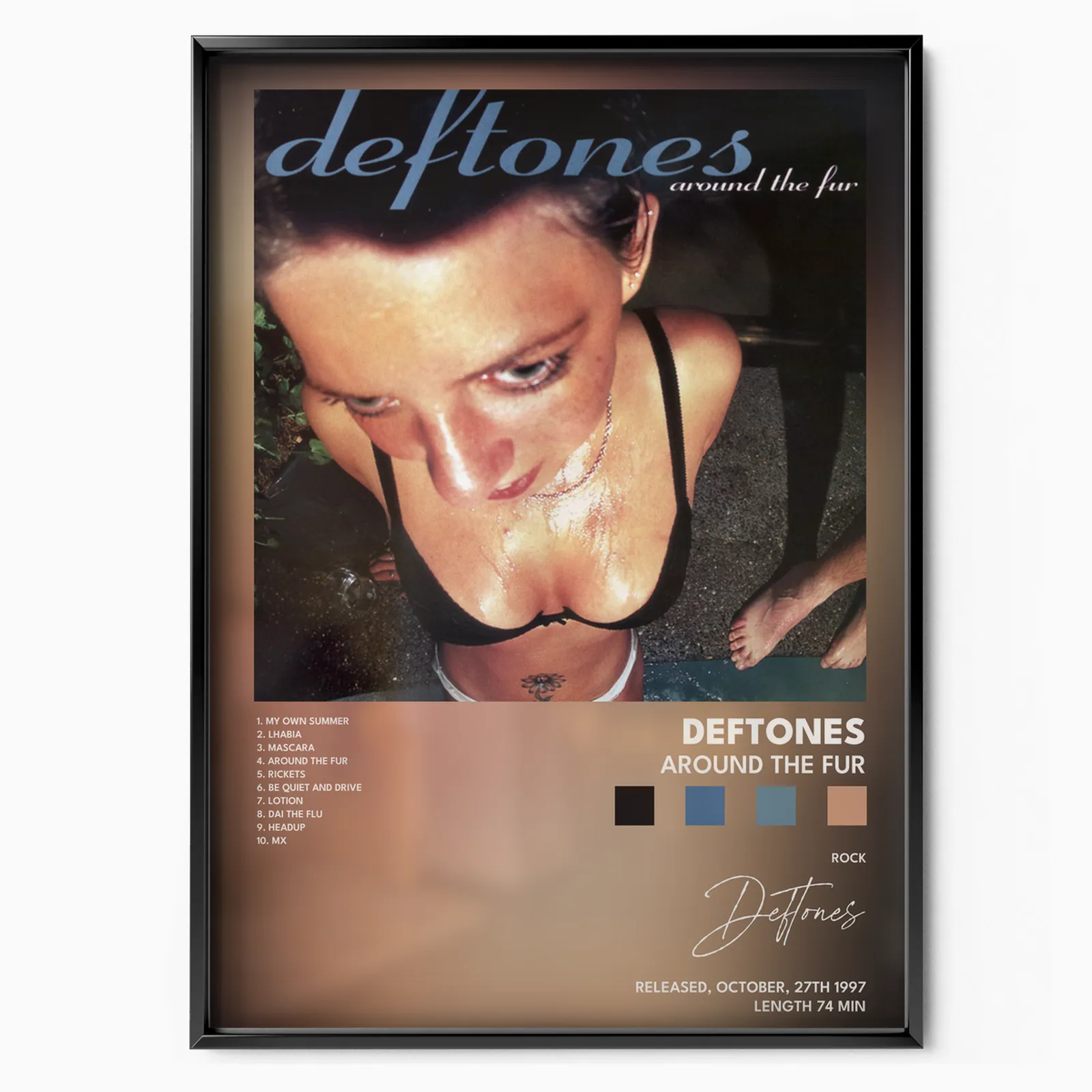
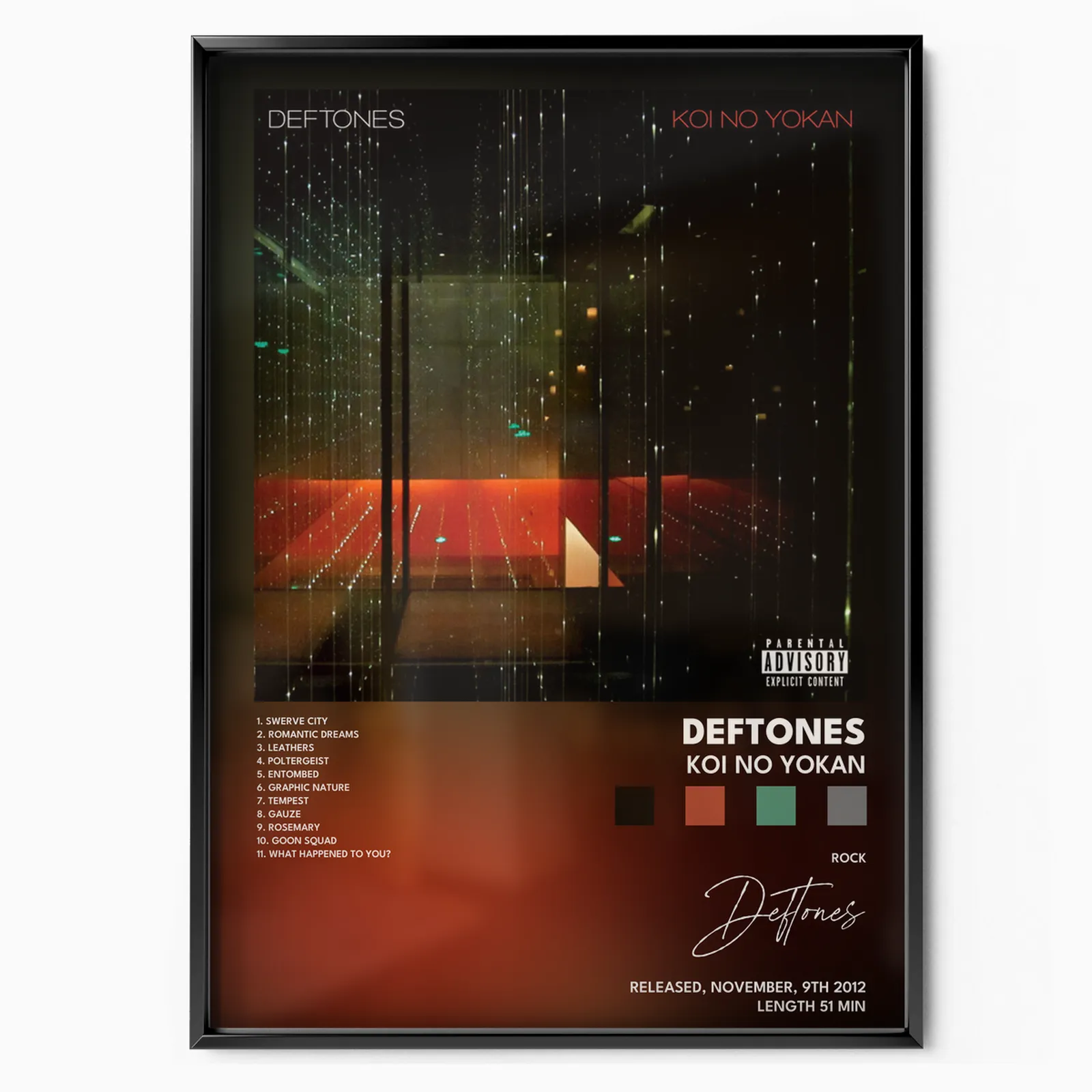
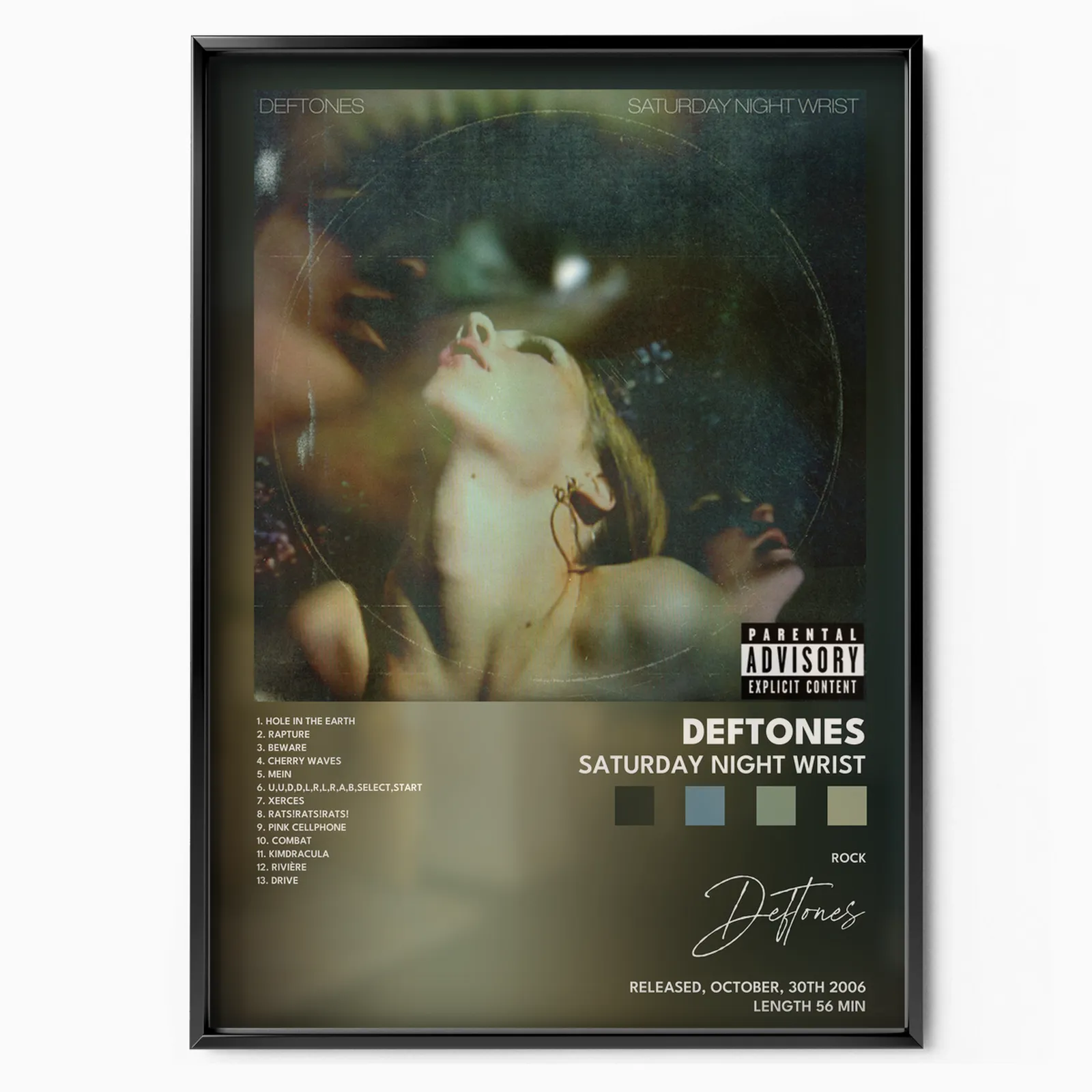
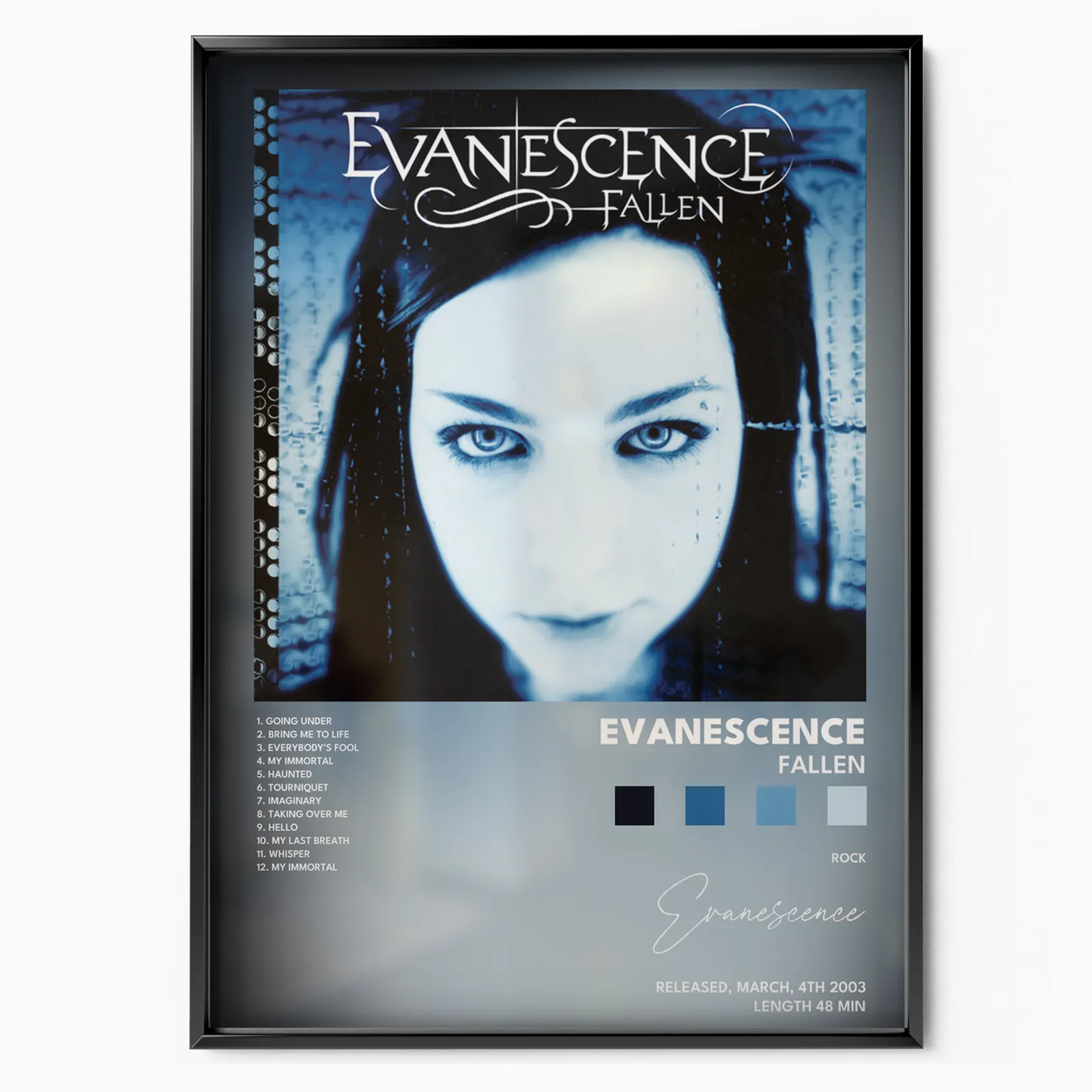
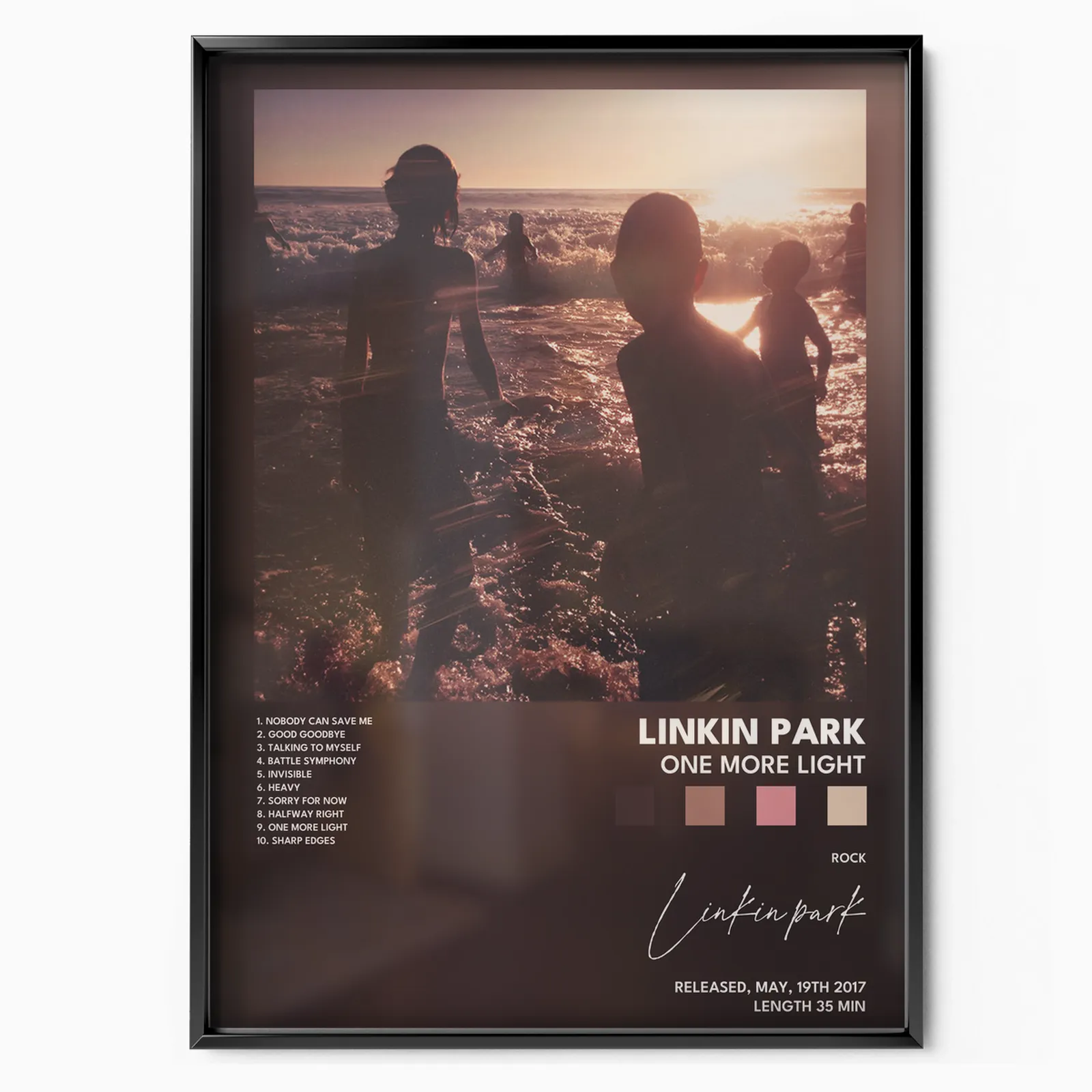
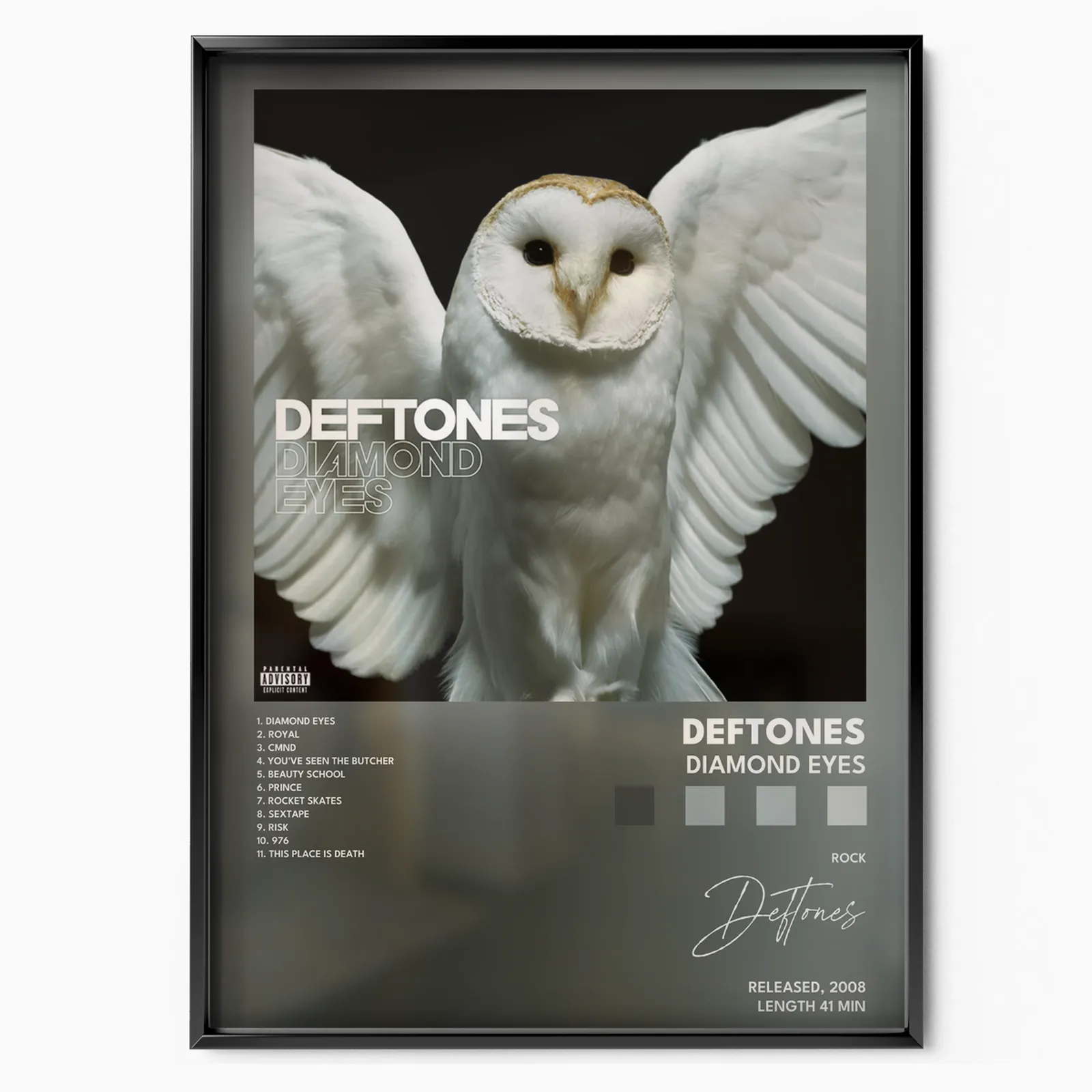
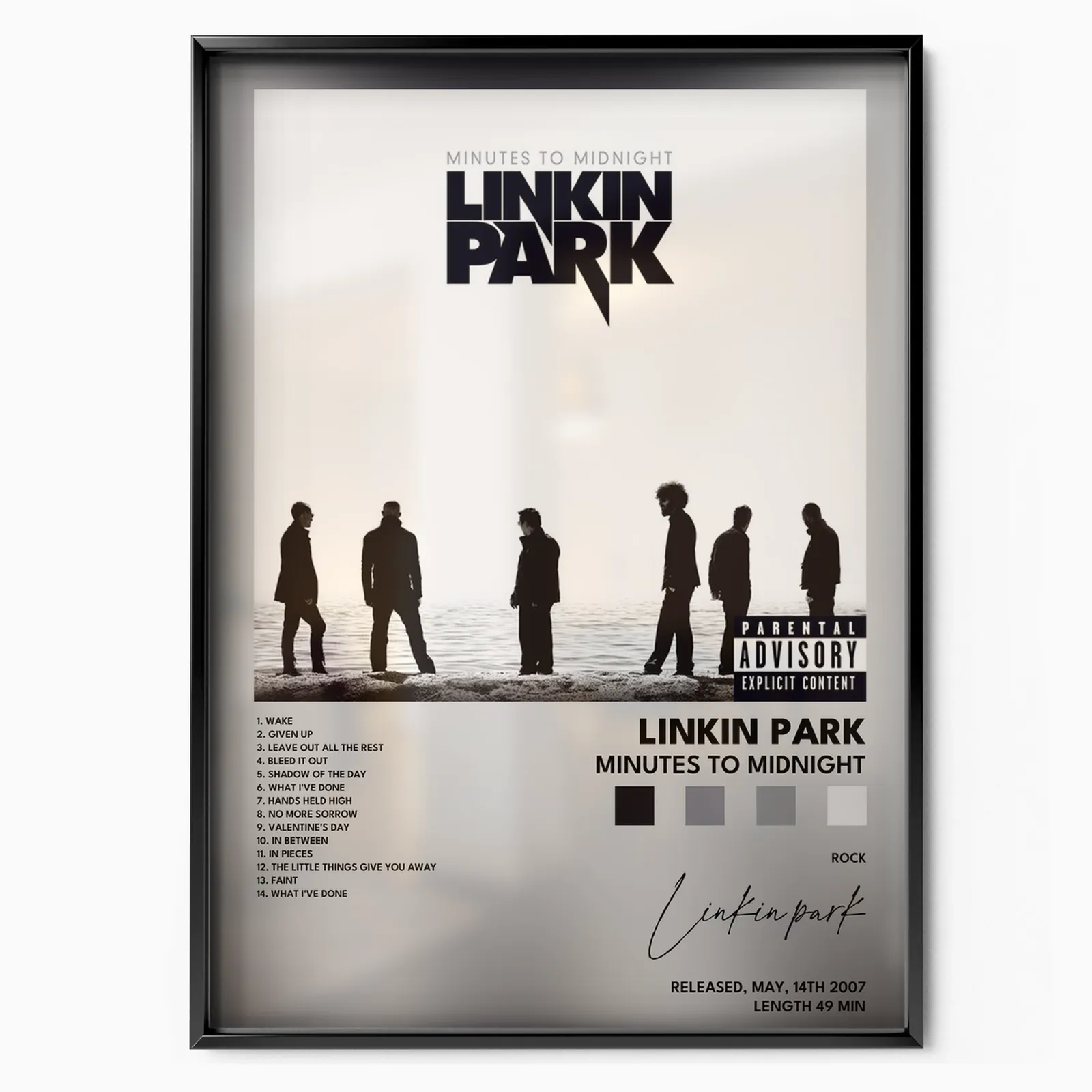
The heavy side of the collection spans the turn of the millennium. Deftones released White Pony in 2000 and won their first Grammy the next year for the single Elite, redrawing what alt-metal could be. Slipknot's Iowa took the aggression further, Linkin Park bridged rap and rock on Minutes to Midnight, and Marilyn Manson's Antichrist Superstar turned shock rock into theatre. For the melodic wing there is Evanescence's Fallen.
Britpop, indie and the guitar revival
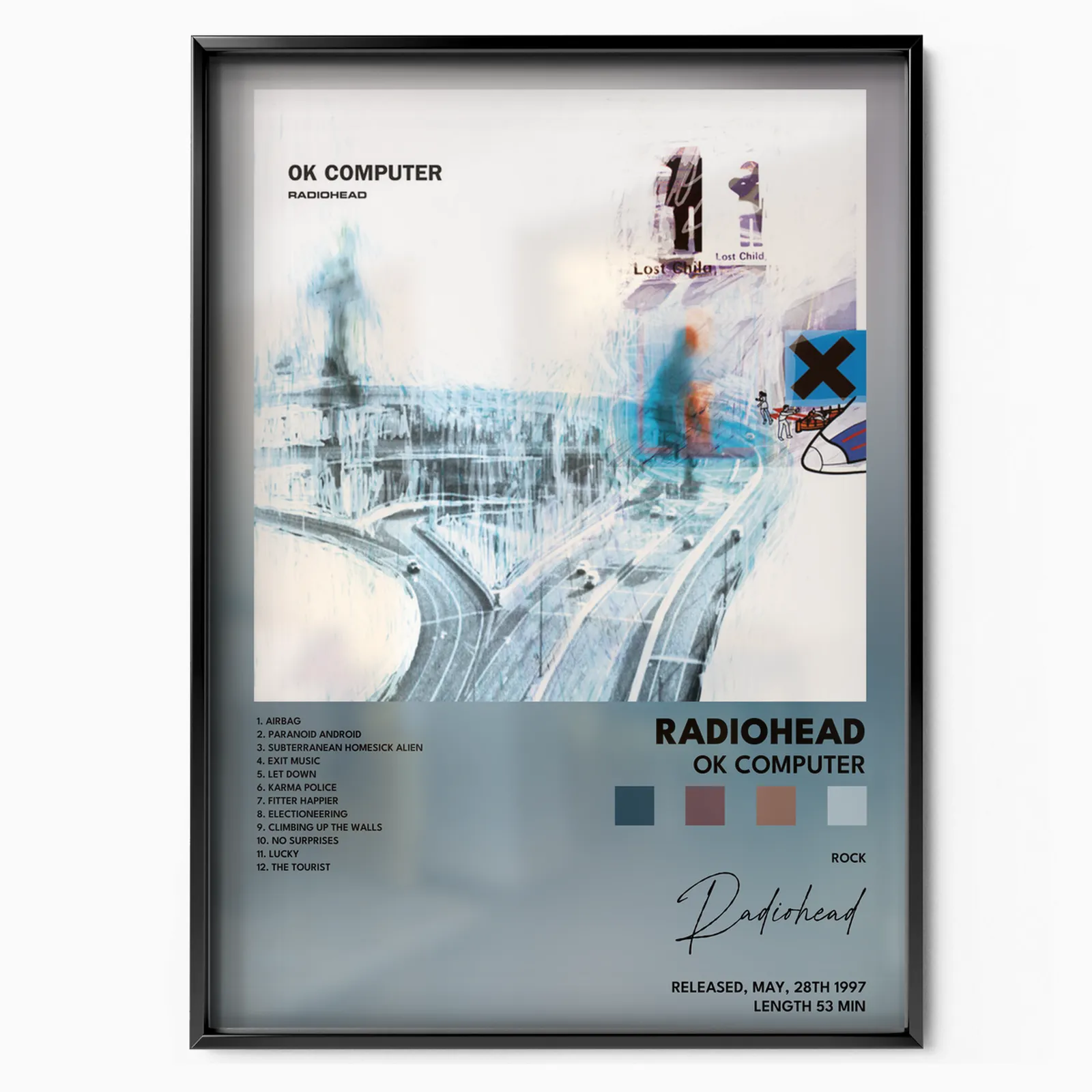
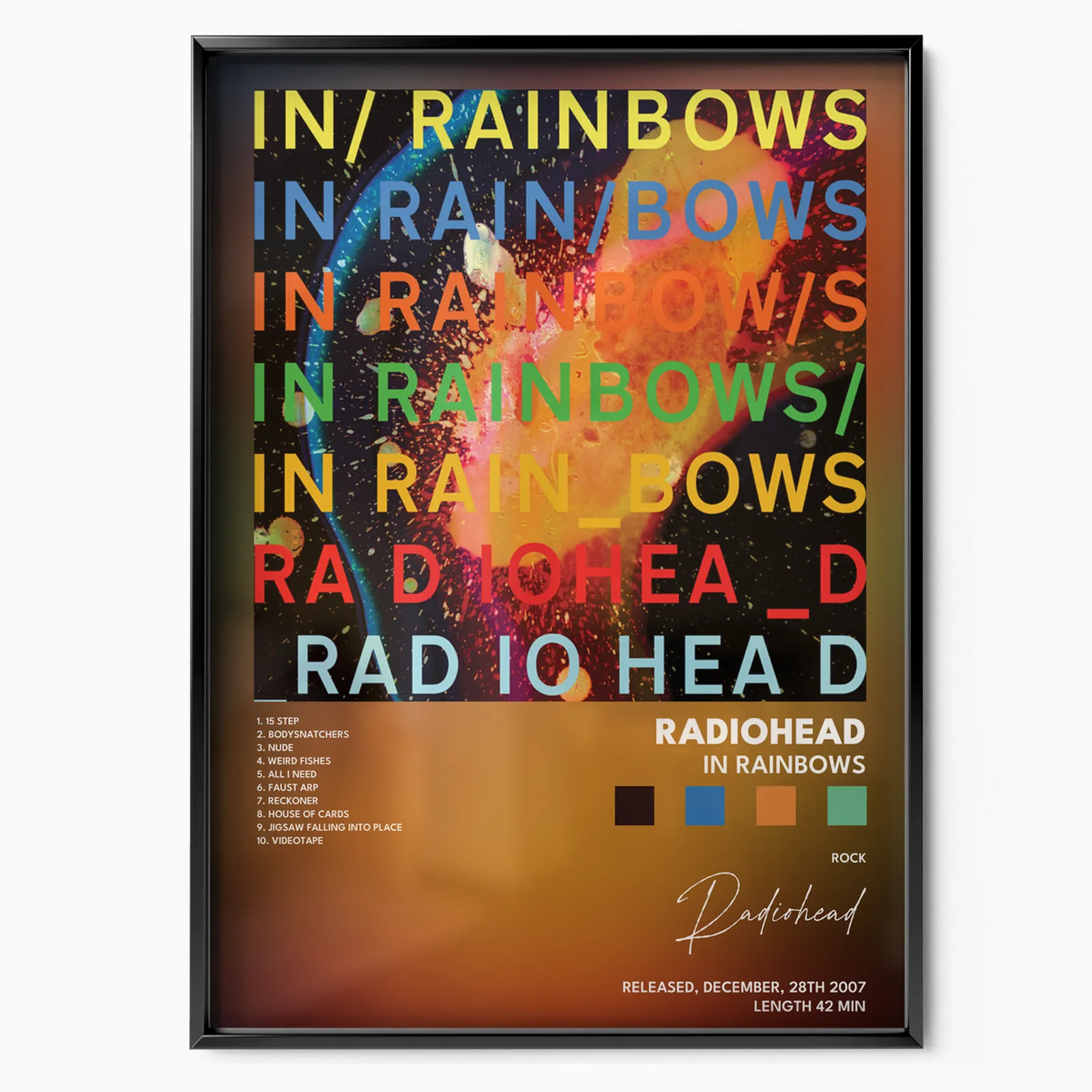
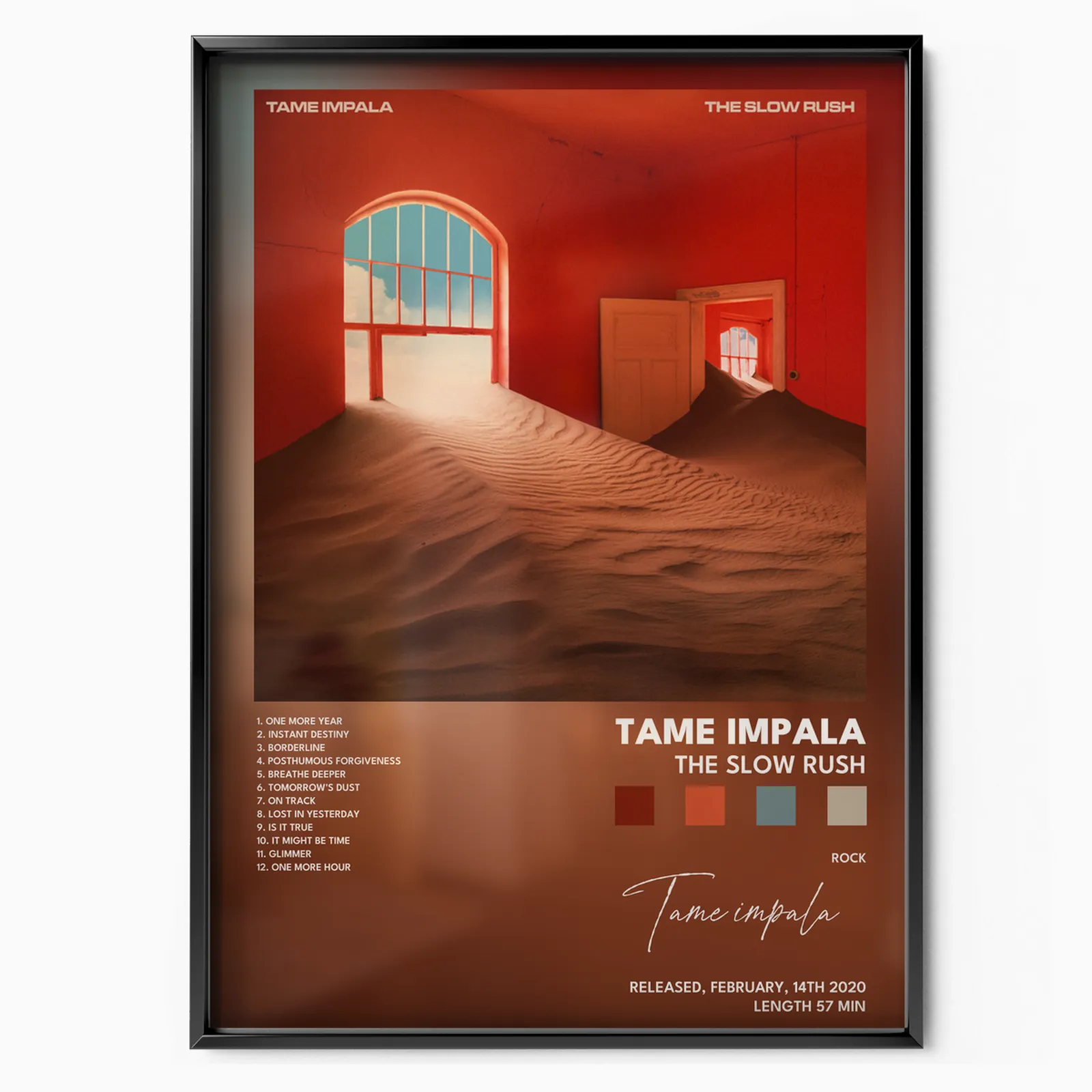
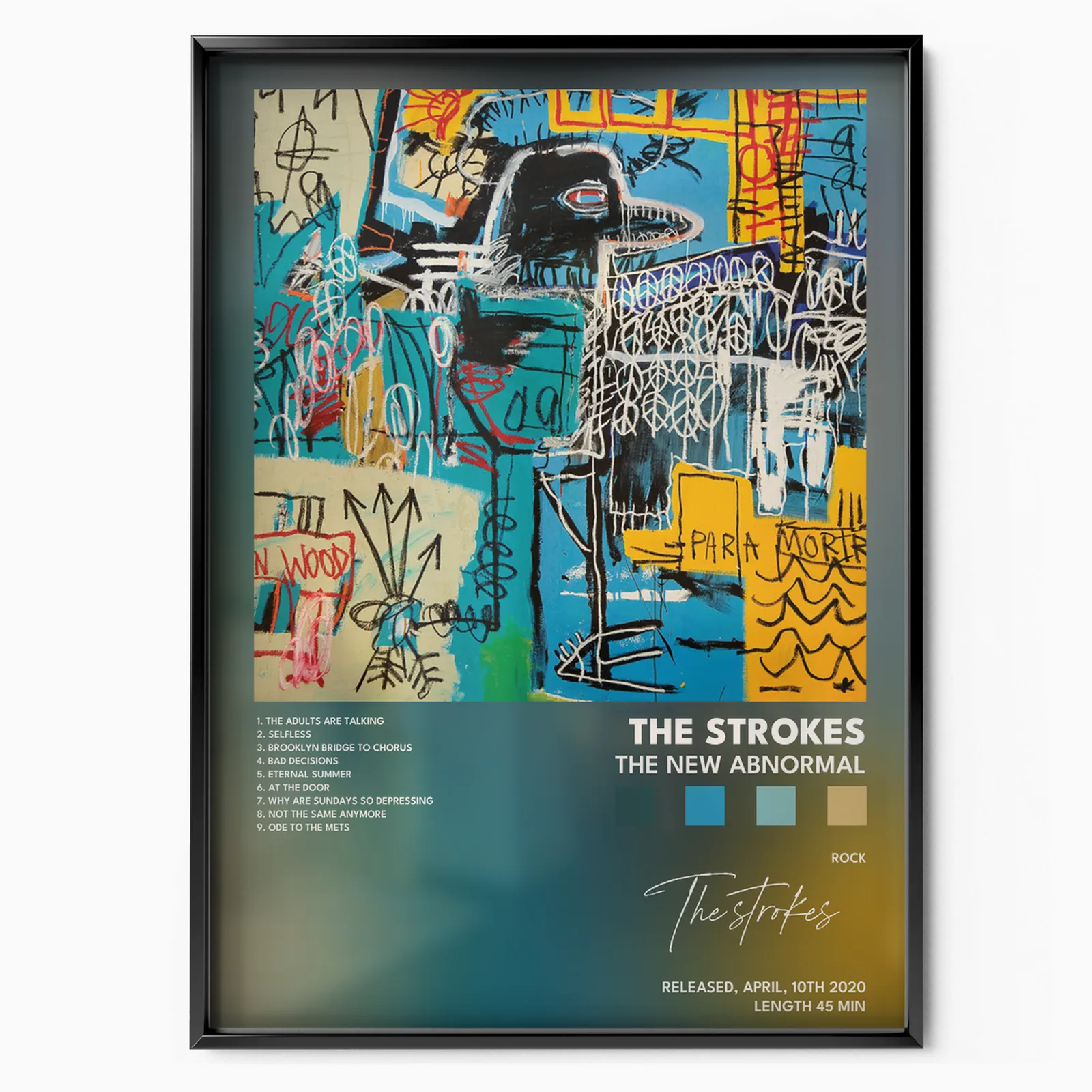
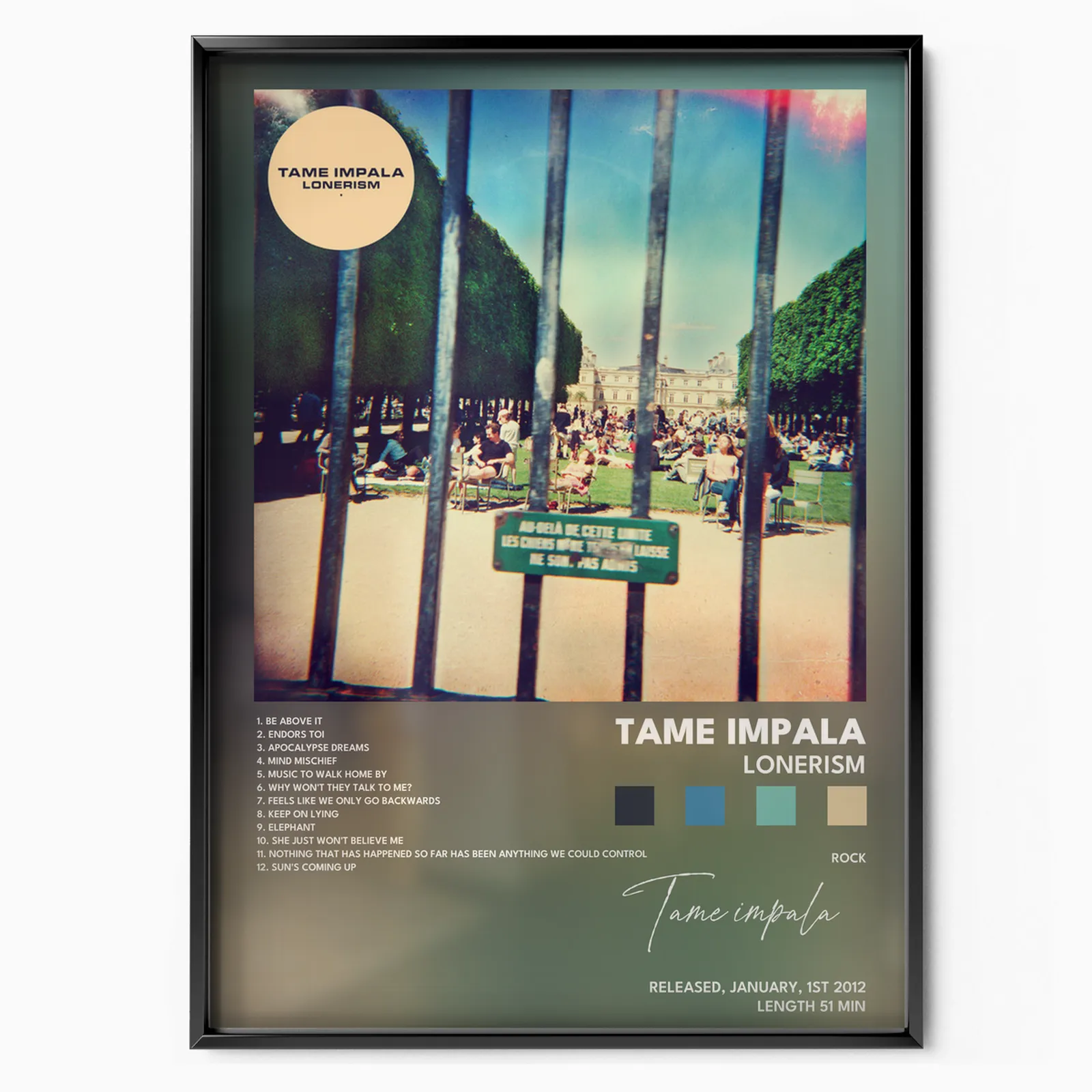
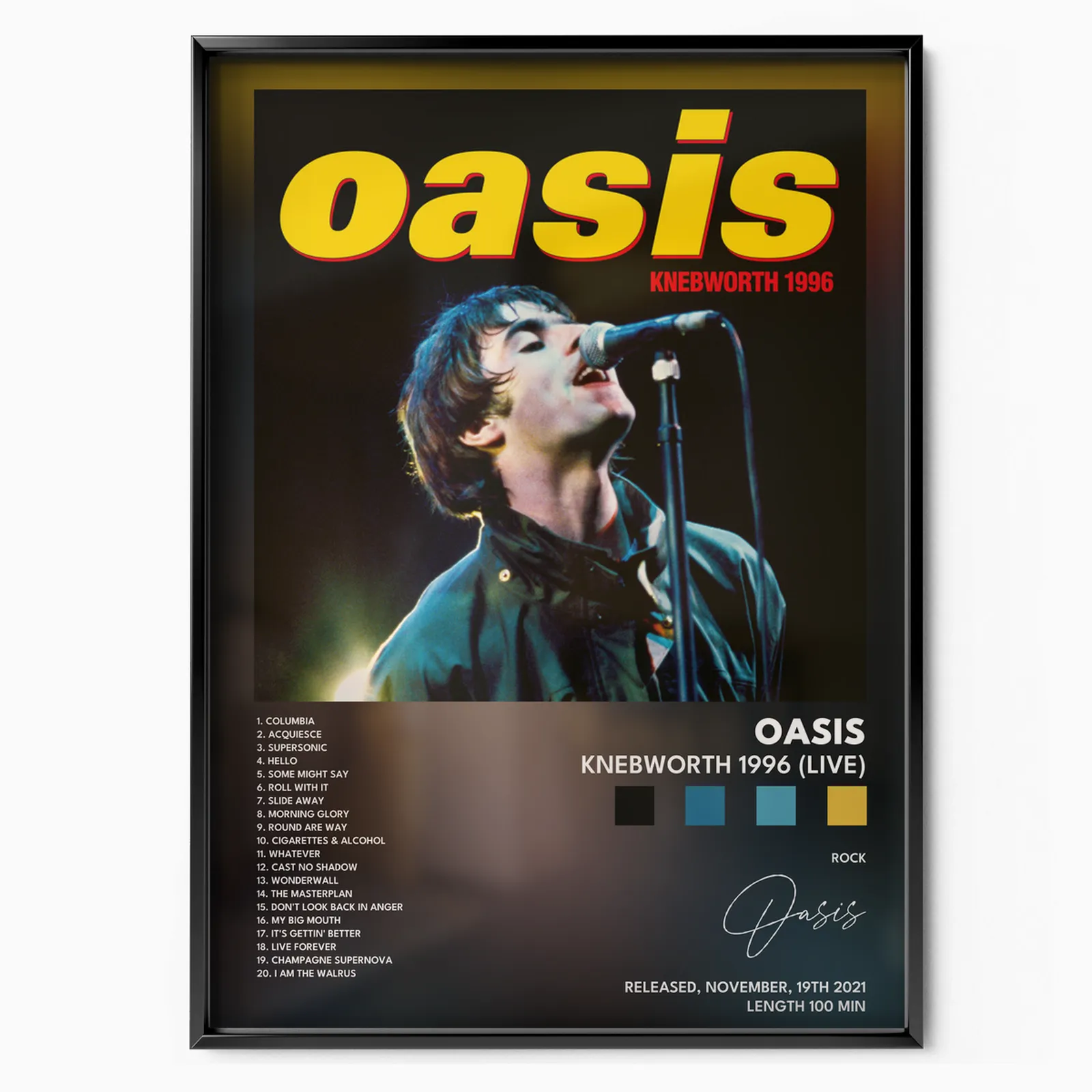
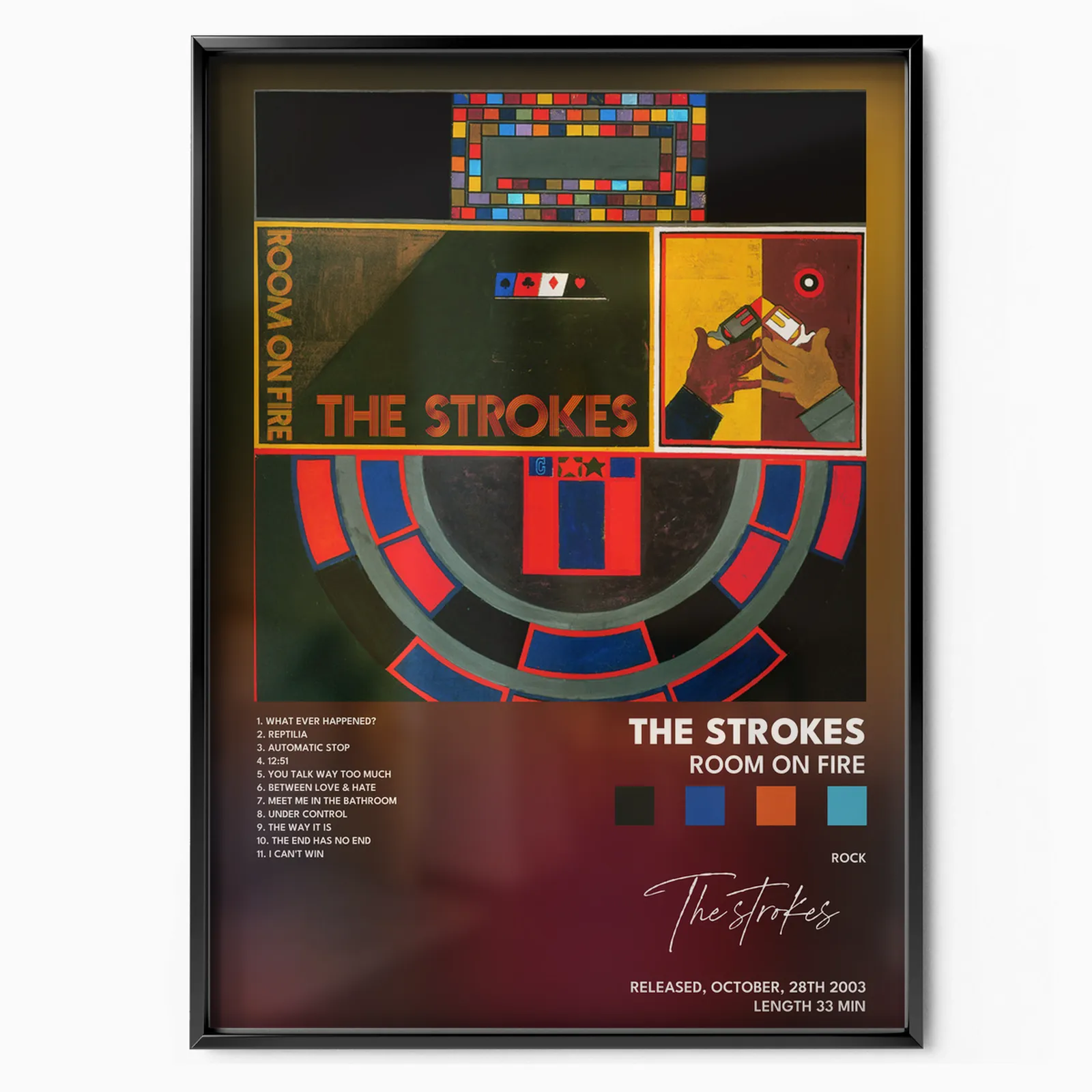
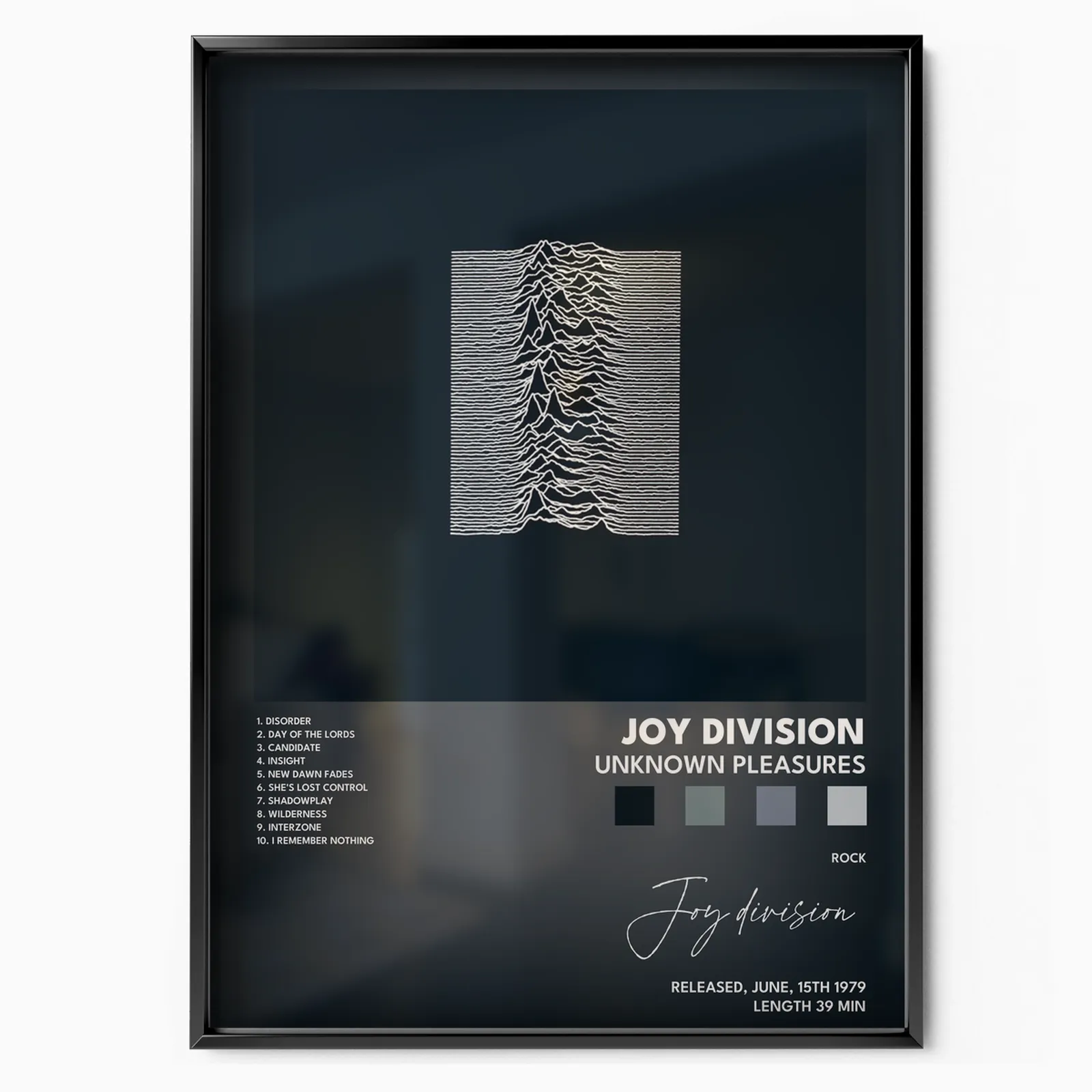
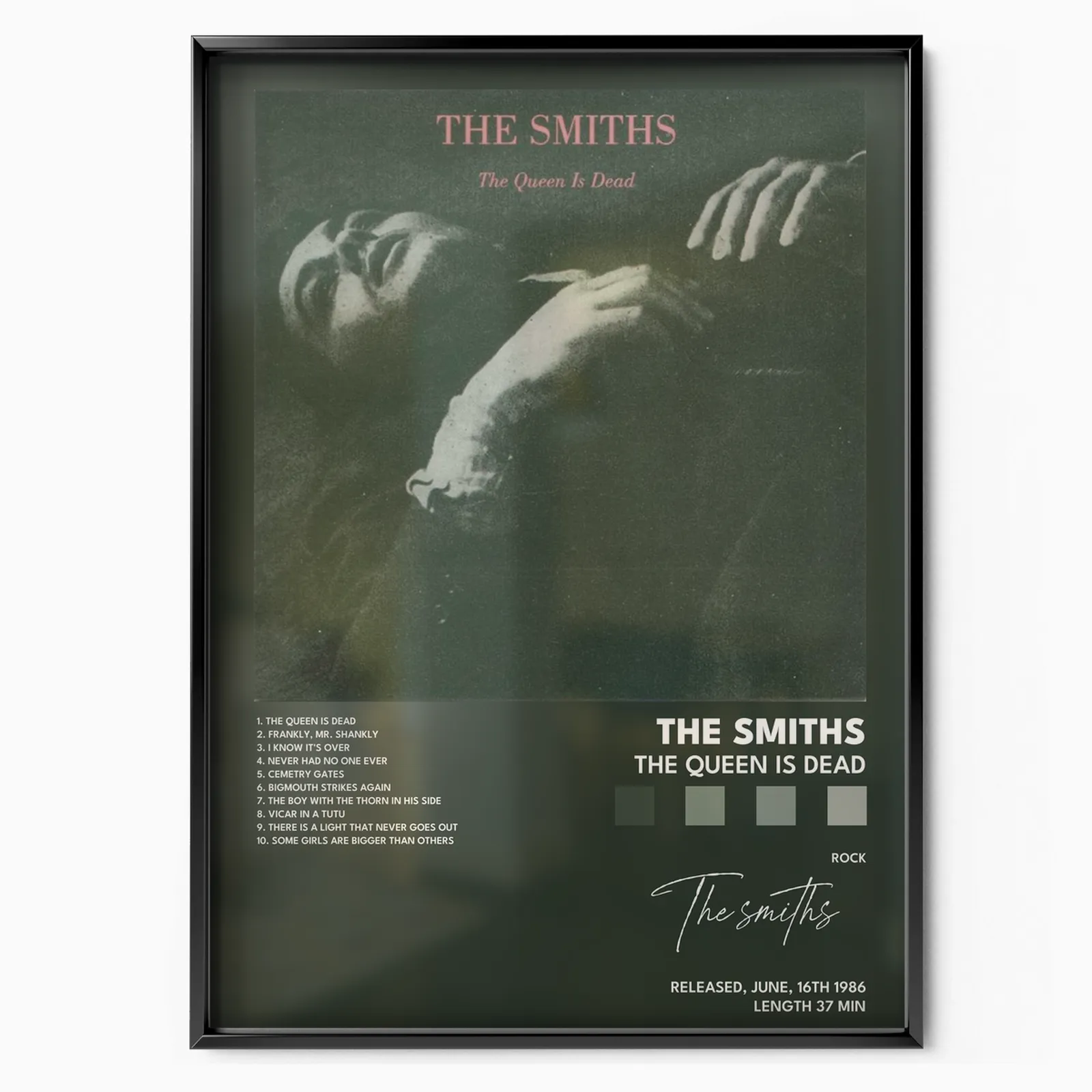
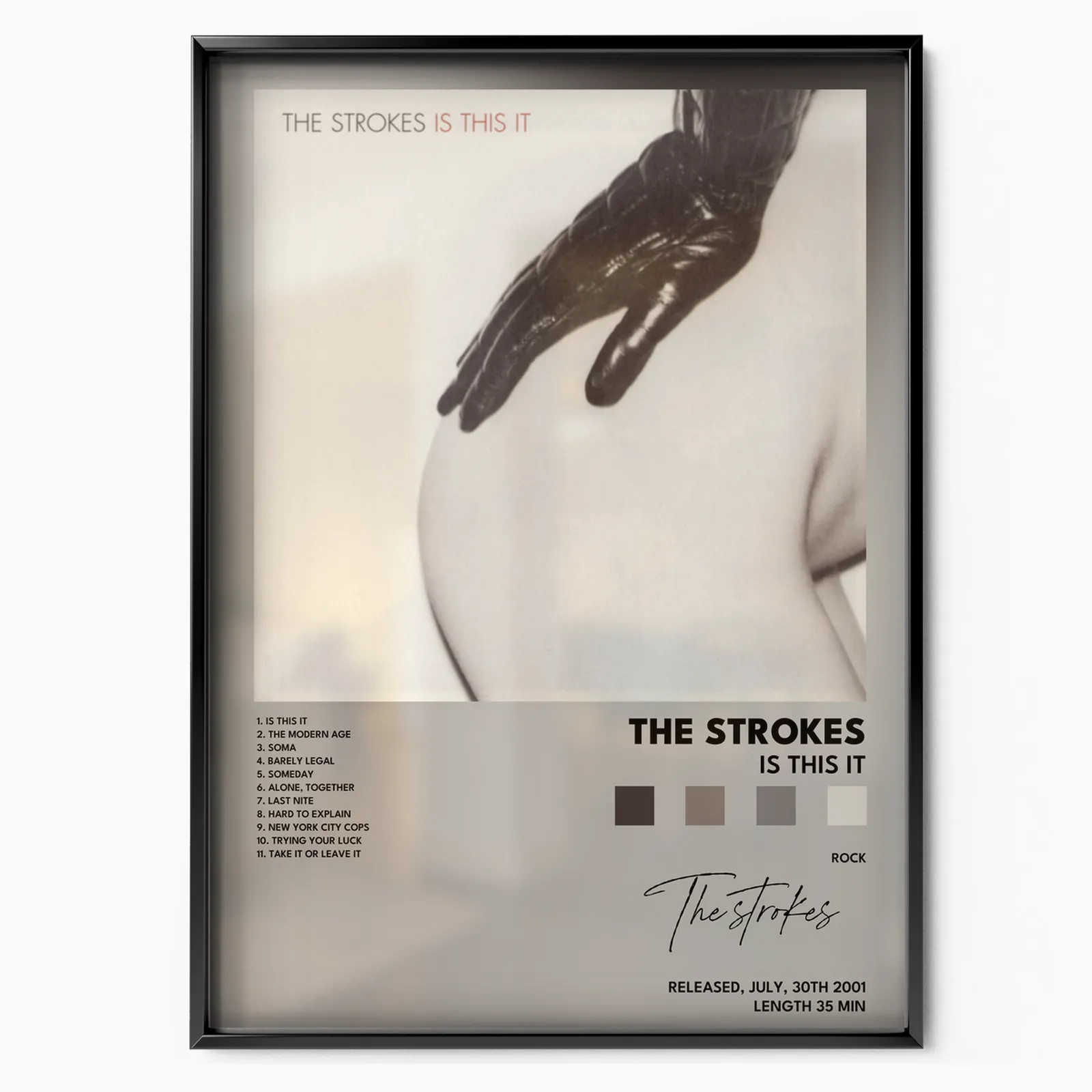
Britain answered grunge with Britpop, and Blur's Parklife and Oasis at Knebworth 1996, where a reported 2.5 million people applied for tickets, defined the moment. The more experimental strain runs through Radiohead's OK Computer and the pay-what-you-want landmark In Rainbows, The Smiths' The Queen Is Dead and Joy Division's Unknown Pleasures, whose sleeve is a plot of radio waves from pulsar CP 1919. The 2000s revival brought The Strokes' Is This It, The White Stripes' Elephant, The Killers' Hot Fuss and, later, Tame Impala's Lonerism.
Sizes, frames and building a rock wall
Every design ships in A4, A3, A2 and A1. A4 and A3 suit a desk, a shelf or a tight bedroom grid, while A2 and A1 work as a single statement piece above a bed or a sofa. Choose black framing for high-contrast covers, chrome white to lift brighter sleeve art, or unframed for the flexible, lower-cost route. All prints use museum-grade 200gsm matte stock for deep colour and a glare-free finish that holds up for years. The easiest gallery to start is a three-poster trio: one classic-rock anchor, one grunge or punk favourite and one indie record, kept to a single frame colour and a repeated A3 size for a clean grid. Thanks to Buy 2 Get 1 Free, that third print is on the house, which makes a proper record wall the best-value corner of the shop.