The Beatles Posters
Every The Beatles album cover, era by era
The Parlophone years1963 to 1965
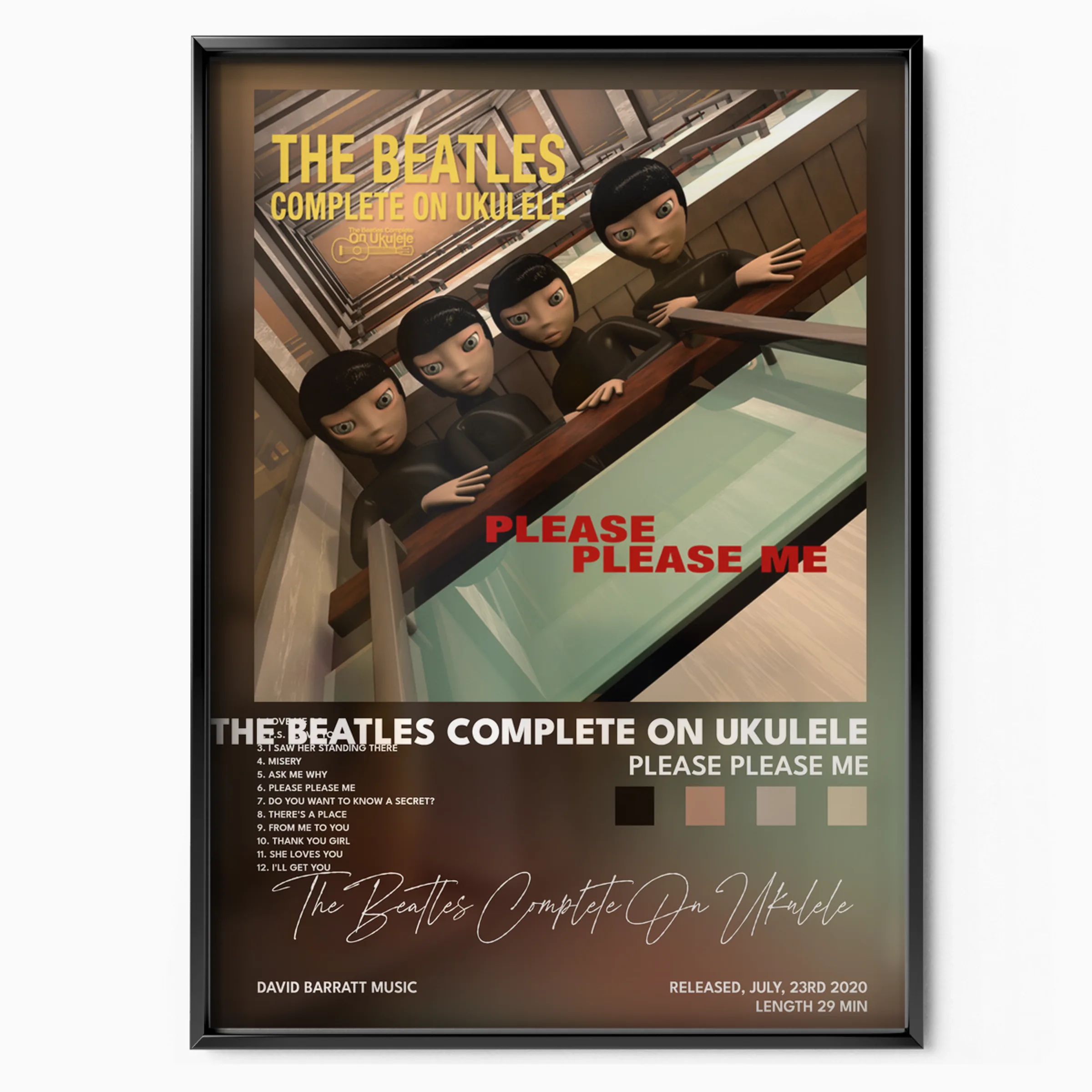
- 1963Please Please Me The debut, shot looking down the EMI headquarters stairwell by Angus McBean.
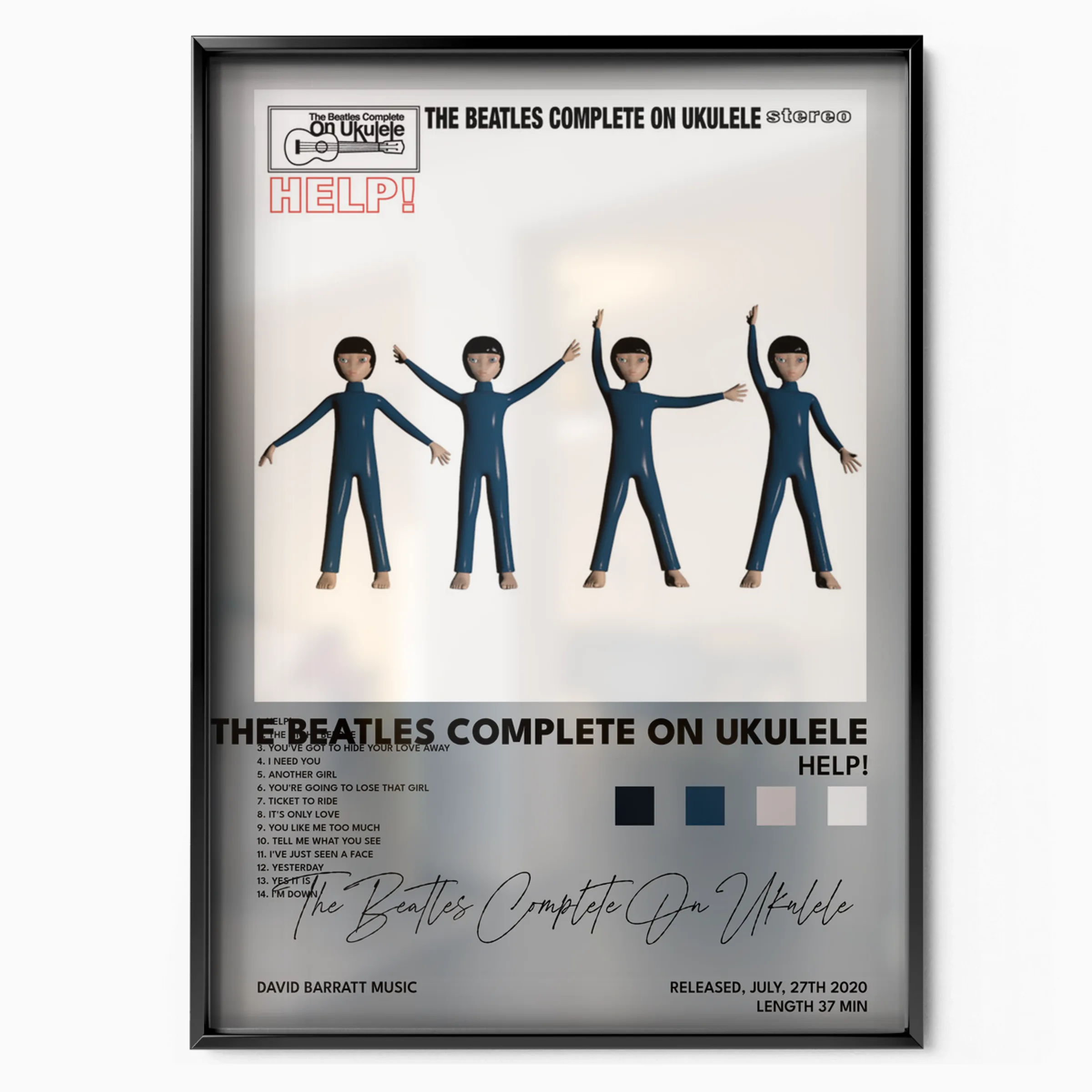
- 1965Help! Robert Freeman's crisp arm poses, chosen for graphic strength over literal semaphore.
The studio turn1965 to 1966
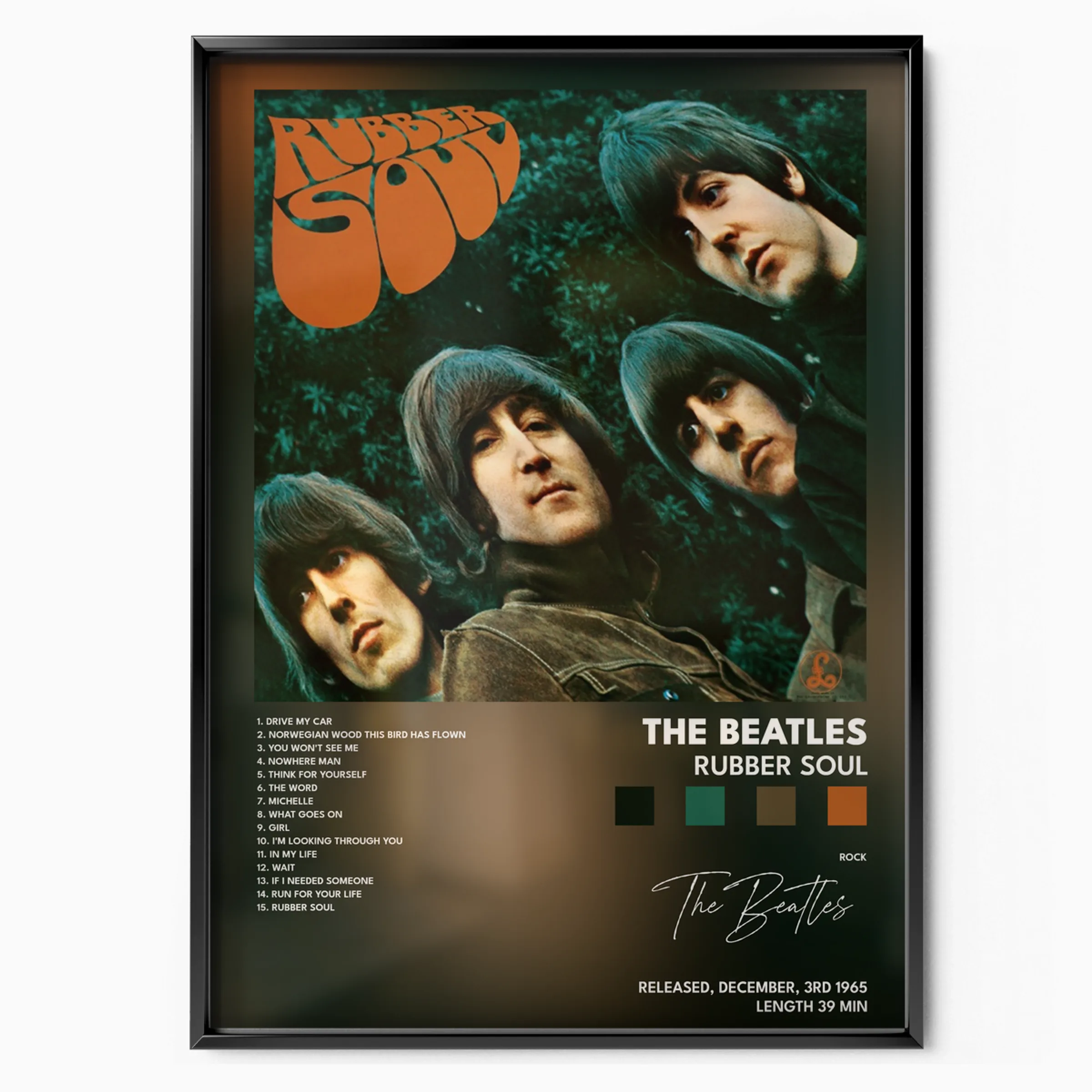
- 1965Rubber Soul Dreamy stretched faces born from a tipped projection card, kept by happy accident.
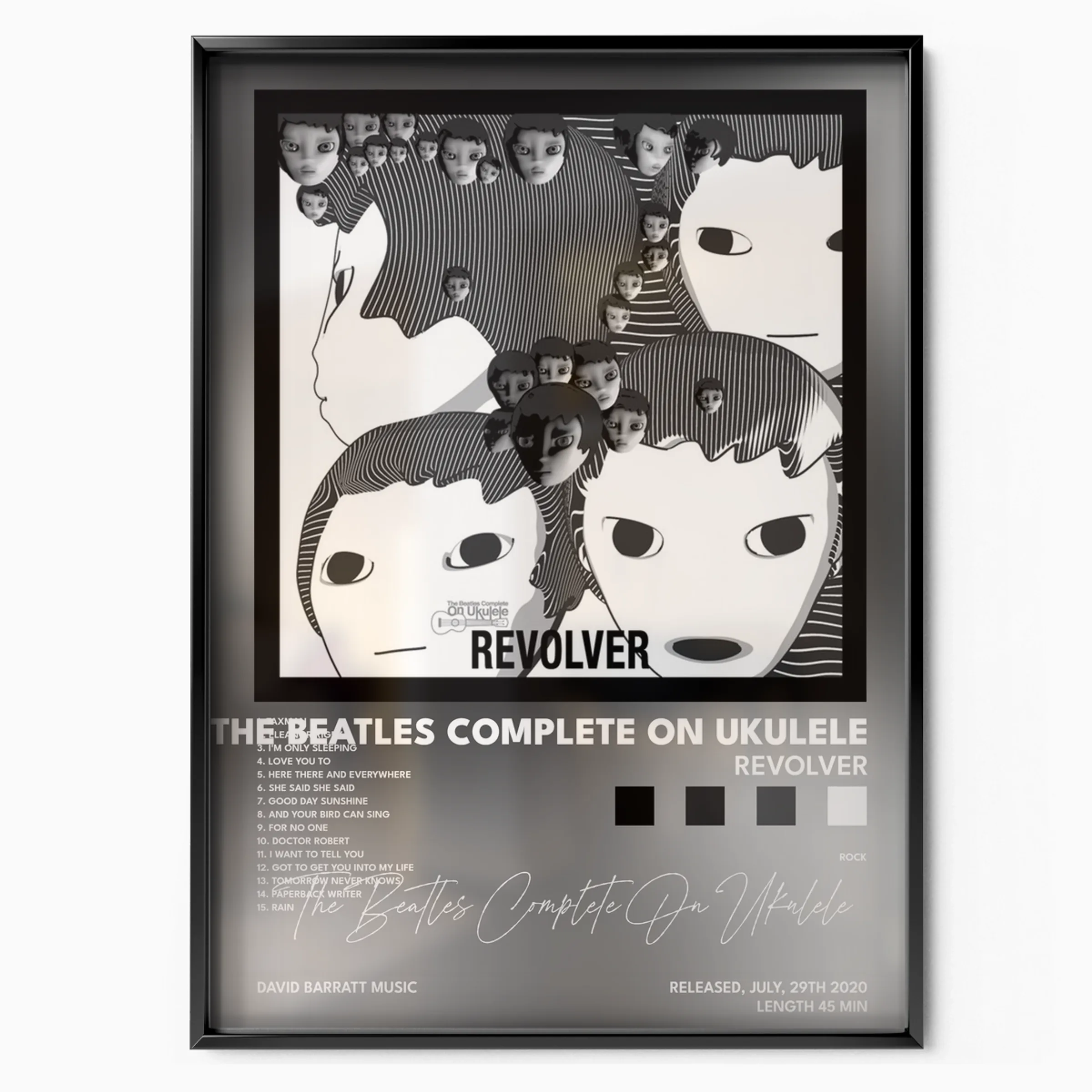
- 1966Revolver The first Beatles cover as pure illustration, Klaus Voormann's Grammy winning collage.
The psychedelic peak1967
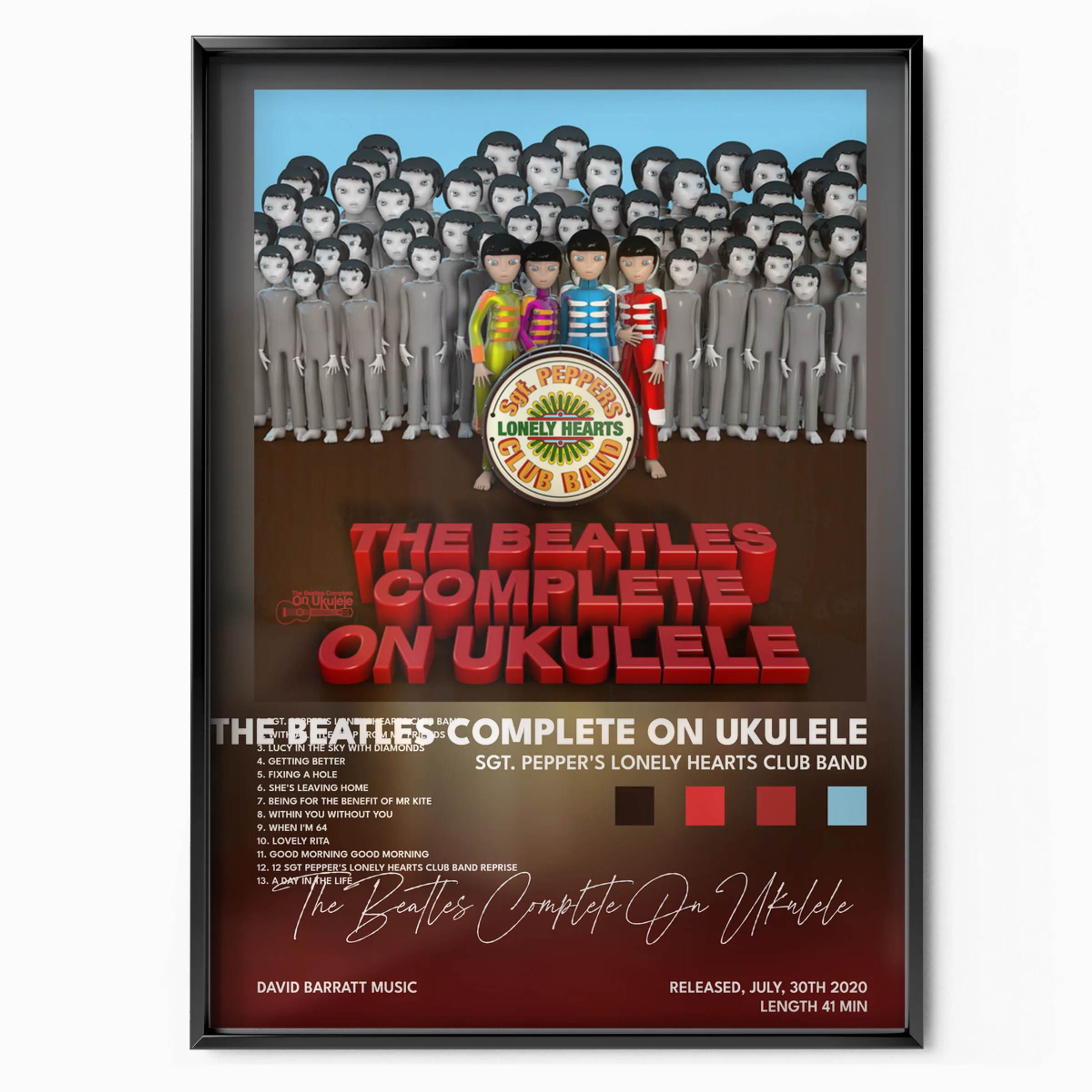
- 1967Sgt. Pepper's Lonely Hearts Club Band A physical art tableau of 88 figures by Peter Blake and Jann Haworth.
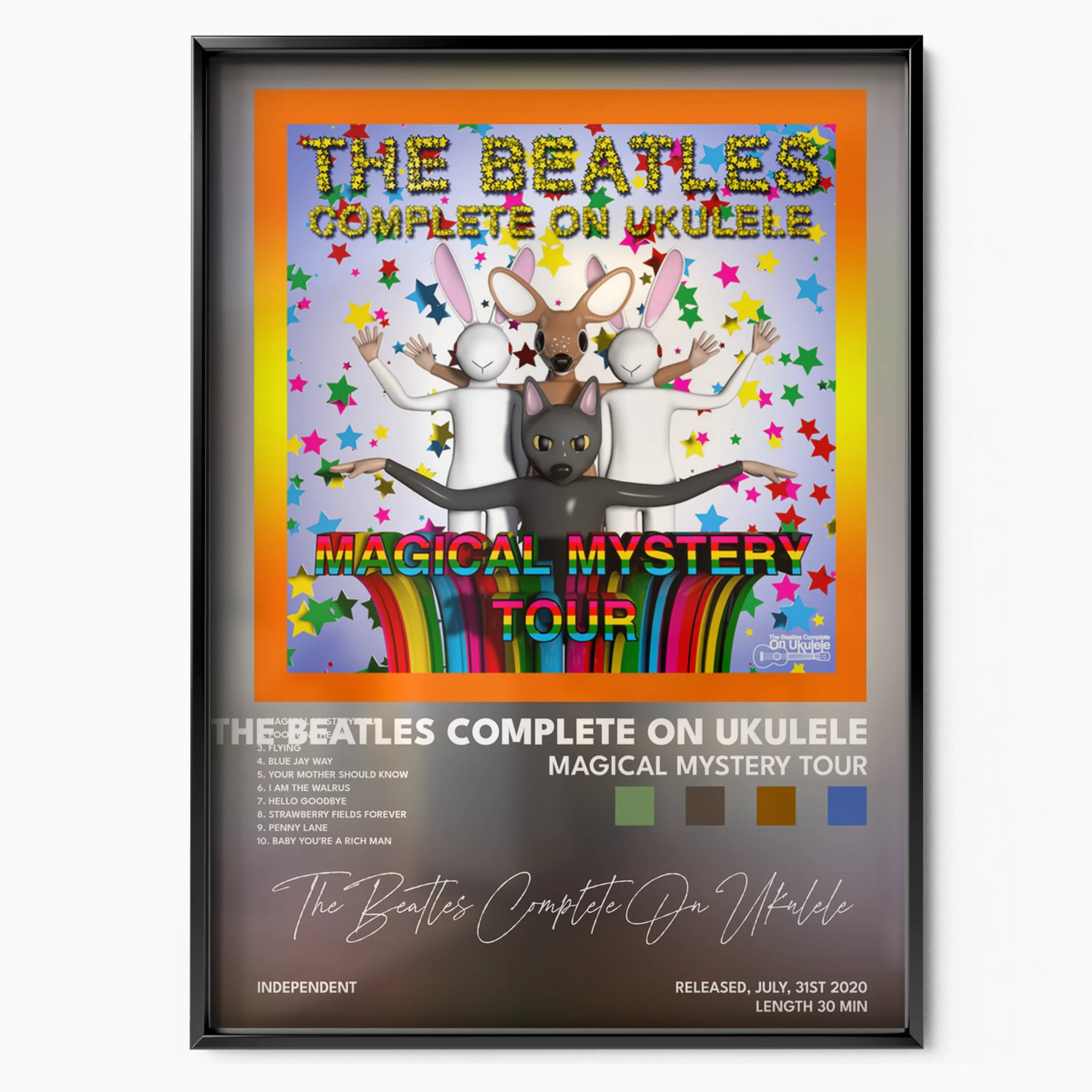
- 1967Magical Mystery Tour Four Beatles hidden in animal costumes, shot on the I Am the Walrus set.
The final chapter1969 to 1970
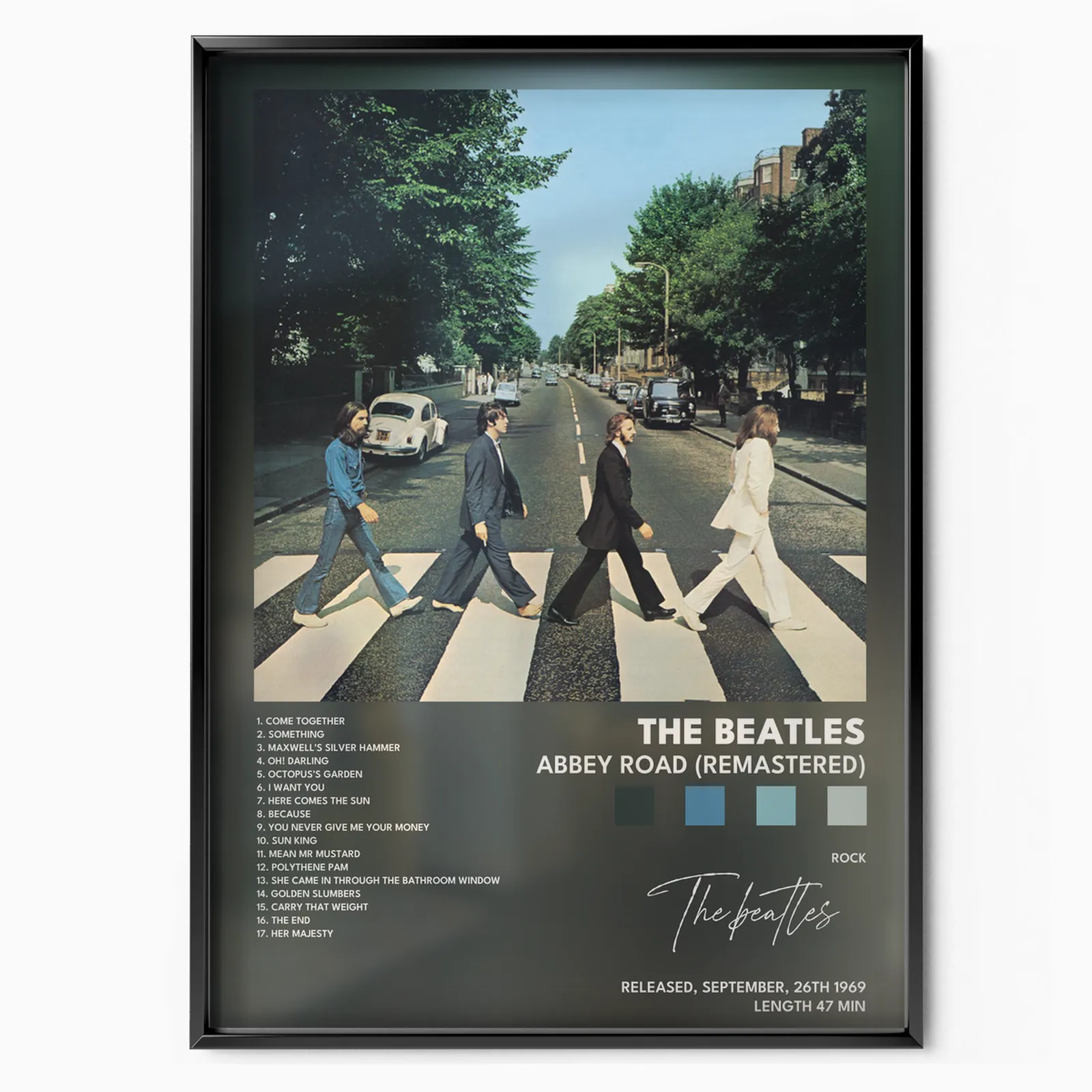
- 1969Abbey Road The ten minute zebra crossing shot, no band name and no title on the front.
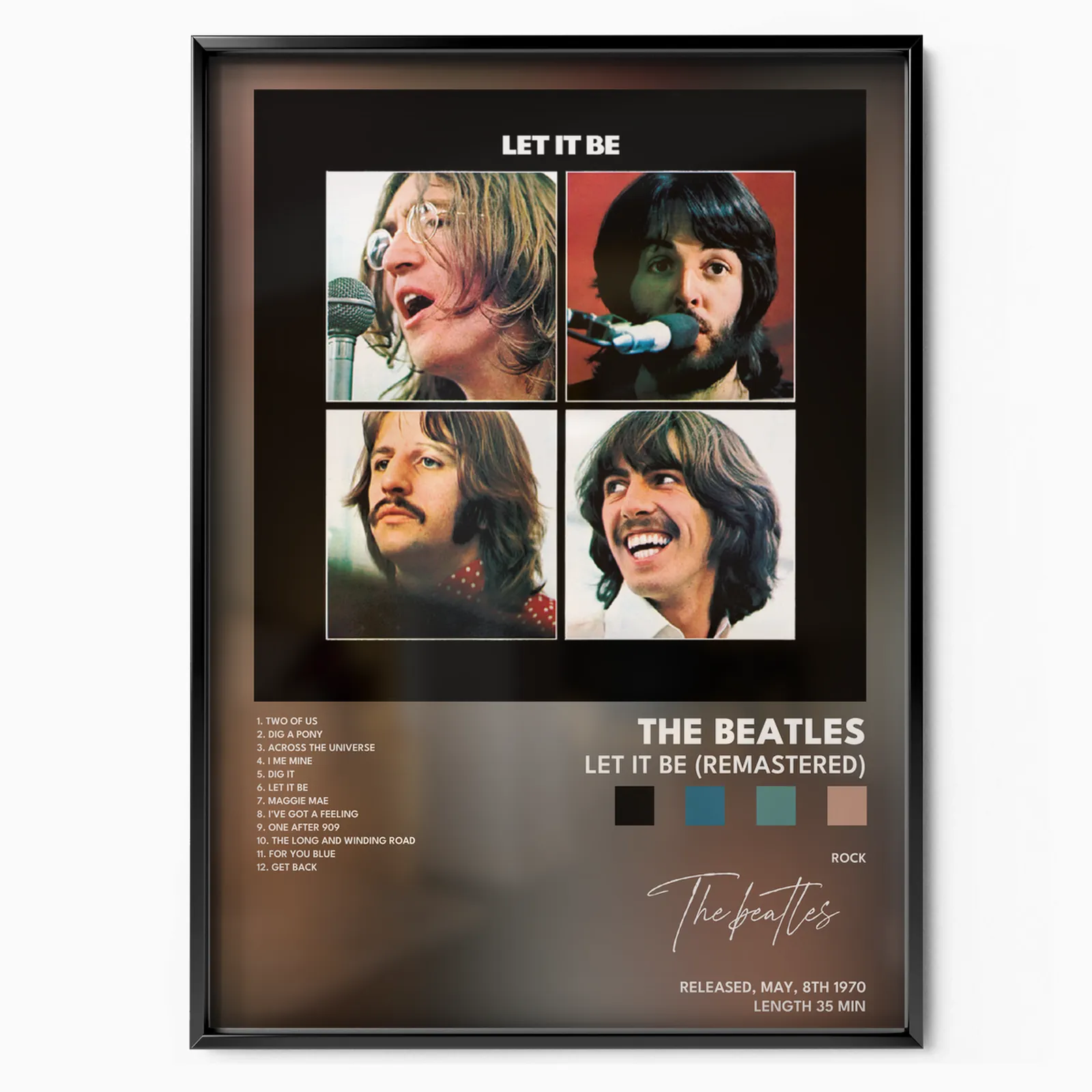
- 1970Let It Be Four separate portraits in black boxes for a band already splitting apart.
The Beatles did not just soundtrack the 1960s, they redrew what an album cover could be. In eight studio sleeves the band moved from a cheap stairwell snapshot to hand built art installations that now hang in museums. Framed on a wall, these covers read as a decade of graphic invention. Here is the collection, album by album.
The Parlophone years, 1963 to 1965
It starts on a staircase. Please Please Me was shot by theatre photographer Angus McBean, who lay flat on his back in the lobby of EMI headquarters at 20 Manchester Square to catch the four looking down over the rail. George Martin had first wanted them posed outside the London Zoo insect house, and the zoo said no. Two years later Help! put Robert Freeman's crisp graphic eye to work: the band spell out arm positions in what looks like semaphore, though the letters do not actually read HELP. Freeman had planned to spell the word, then found the arm shapes for those exact letters looked clumsy, so he improvised and chose the strongest composition over the literal message.
The studio turn, 1965 to 1966
Then the covers stop being photos of a band and start being ideas. Rubber Soul got its dreamy stretched faces by accident, when the card the photo was projected onto tipped backward and elongated the image. Everyone in the room loved the distortion and kept it. Revolver went further still, the first Beatles sleeve built as pure illustration. Hamburg friend Klaus Voormann fused pen and ink line work with tiny cut out photographs, hid his own face under George's hair, and won a Grammy for the design. Manager Brian Epstein reportedly cried when he saw it.
The psychedelic peak, 1967
1967 is the year the cover became a set. Sgt. Pepper's Lonely Hearts Club Band is a physical tableau by pop artists Peter Blake and Jann Haworth, 88 figures crowded behind the band, each a life size cut out that Epstein had to clear for permission one by one. It won the Grammy for Best Album Cover. Six months later Magical Mystery Tour hid all four faces behind animal costumes, shot during the filming of I Am the Walrus, the first time the band went unrecognisable on a sleeve. In the UK it arrived as an unusual double EP with a gatefold and a 24 page booklet.
The final chapter, 1969 to 1970
The collection closes on the two most quoted images in pop. Abbey Road was captured in about ten minutes on 8 August 1969, Iain Macmillan up a stepladder while a policeman held traffic, the fifth of six frames chosen for the cover. It carried no band name and no title, the first British Beatles LP to need neither. Let It Be then framed each Beatle alone in his own black bordered box, four separate portraits for a band already coming apart.
Every poster prints on museum grade paper in sizes from A4 up to statement A1, so you can match a bedside frame or a full wall. Choose framed for a finished, ready to hang piece, or unframed if you have your own frames or want to float mount. The colour and contrast are calibrated to the original artwork, so Voormann's line work stays sharp and Abbey Road's blue sky stays true.
These covers were built to sit together. A gallery wall of three or five Beatles sleeves tells the whole arc at a glance, from the Manchester Square stairwell to the zebra crossing. Pair the bright pop of Sgt. Pepper with the stark black of Let It Be, or run the studio trio of Rubber Soul, Revolver and Abbey Road in matching frames for a clean, collected look.
Browse every The Beatles poster in this collection (11)
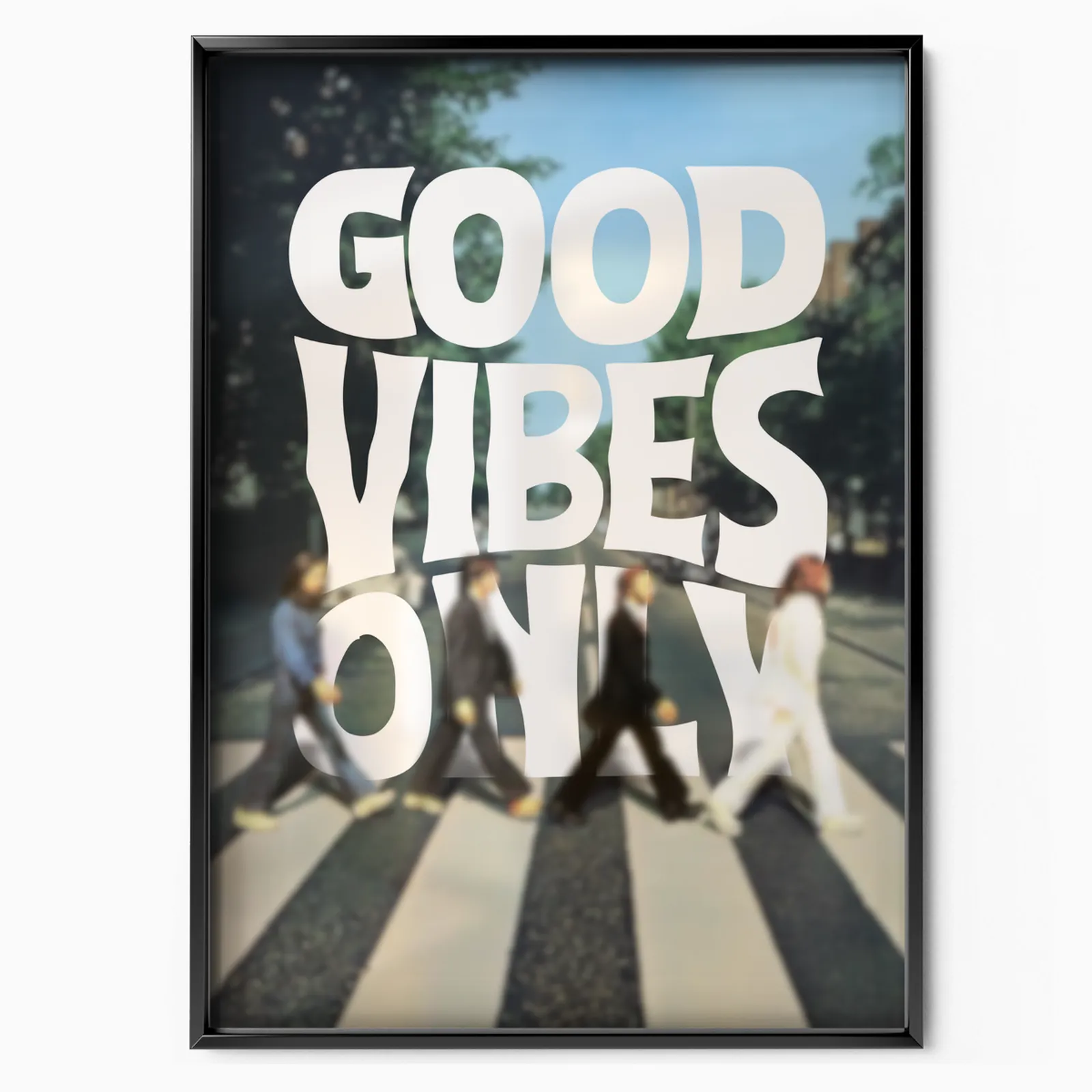
The Beatles Good Vibes OnlyFrom A$29.99
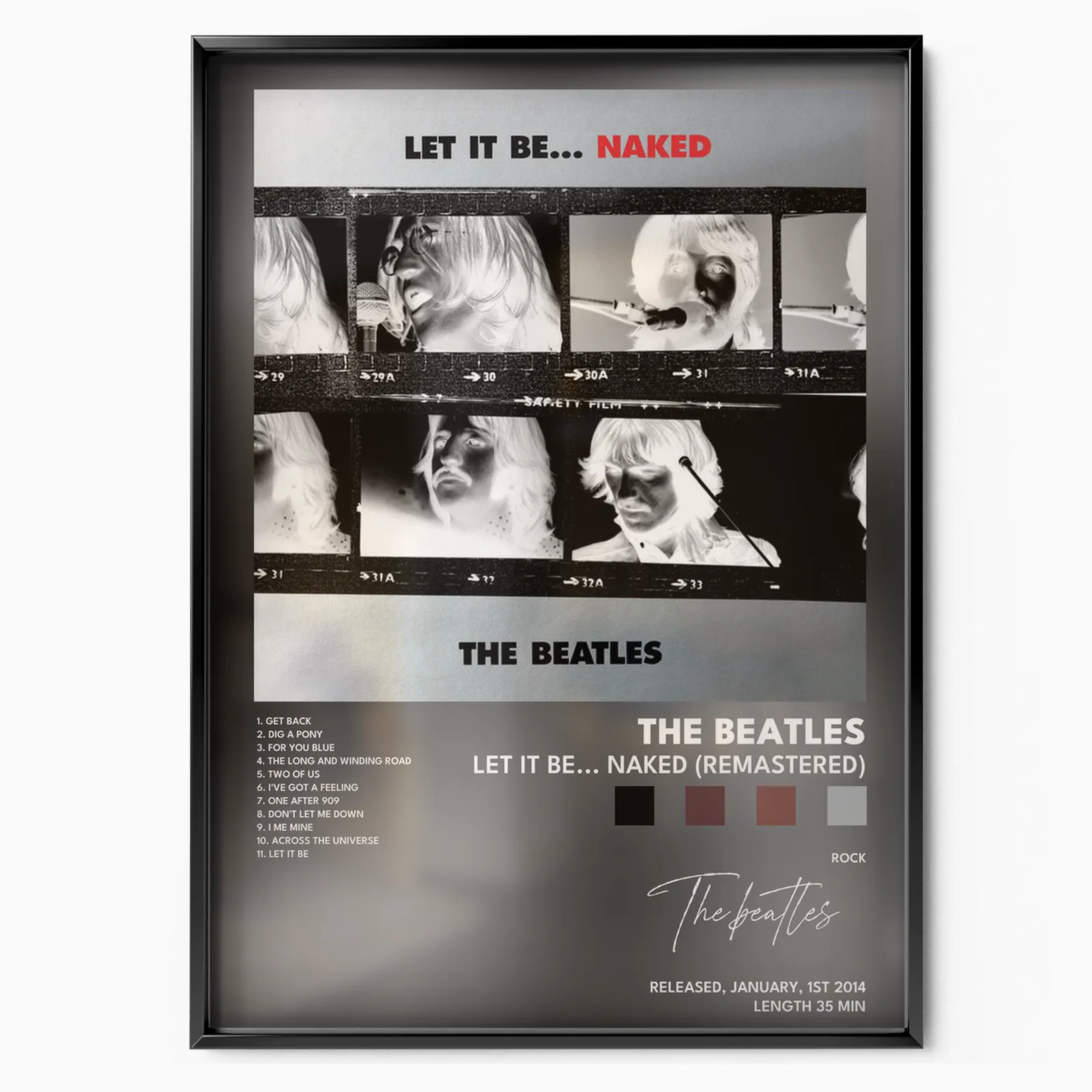
the beatles Let It Be Naked Remastered posterFrom A$29.99
the beatles Let It Be Remastered posterFrom A$29.99
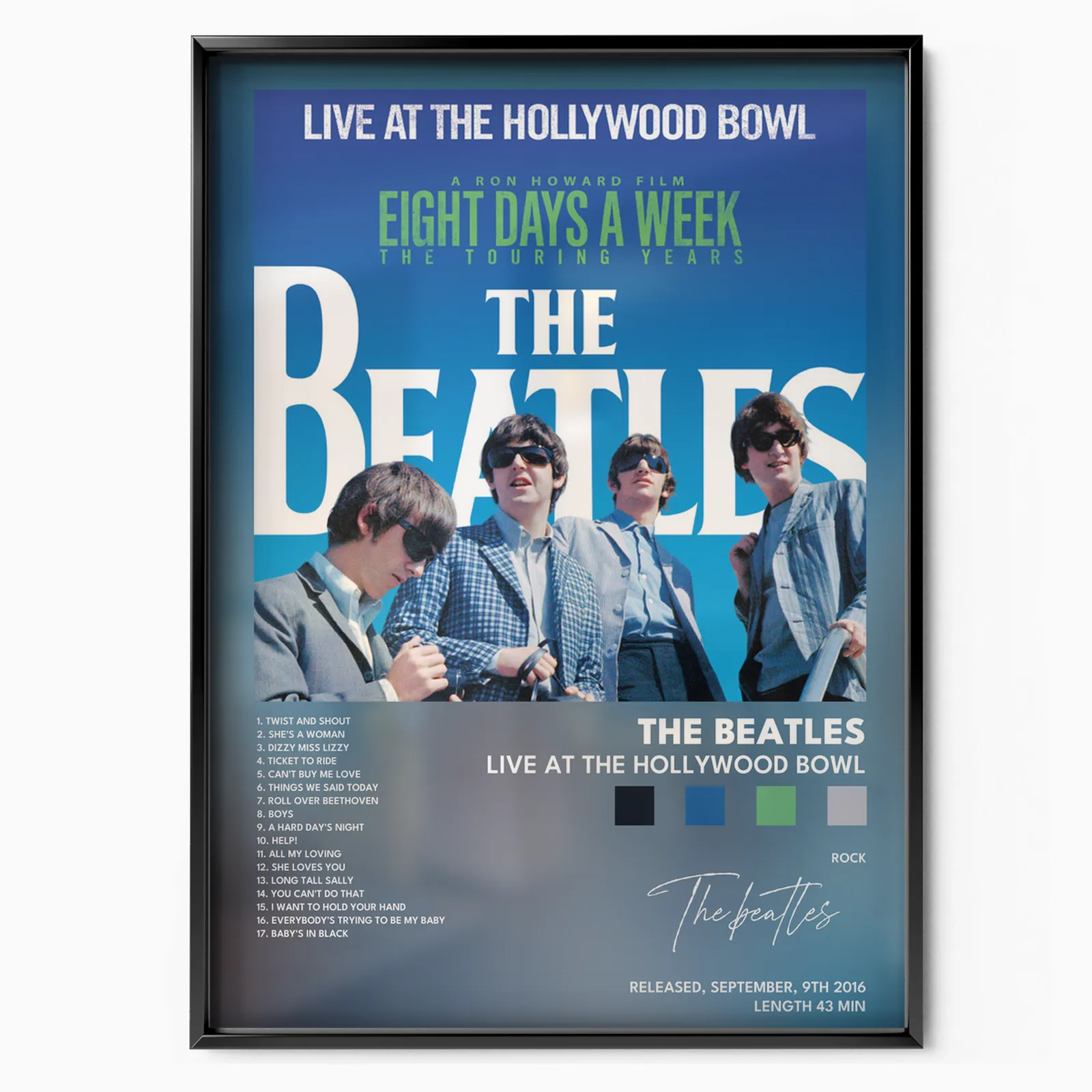
the beatles Live At The Hollywood Bowl posterFrom A$29.99
the beatles Abbey Road Remastered posterFrom A$29.99
Sgt. Pepper's Lonely Hearts Club Band AlbumFrom A$29.99
Revolver AlbumFrom A$29.99
Rubber Soul AlbumFrom A$29.99
Magical Mystery Tour AlbumFrom A$29.99
Please Please Me AlbumFrom A$29.99
Help! AlbumFrom A$29.99
No band changed the album cover the way The Beatles did. In seven years they went from a borrowed stairwell to hand built art sets, from straight photography to illustration, from four faces to no faces at all. That restless invention is exactly why these sleeves still hang so well. Each one is a finished piece of graphic design, not just a record wrapper, and each carries a real story: an accident of a tipped projection card, a ten minute shoot on a public crossing, 88 cut out figures cleared one at a time.
Whichever you choose, you are framing a document of the decade that pop art and pop music rewrote together. Start with the icon, Abbey Road, or the museum piece, Sgt. Pepper's Lonely Hearts Club Band. Build out from there into a wall that runs the full arc. Every print ships ready to live with, calibrated to the source art, and sized from A4 to A1 so it fits the room you have.
Good to know about The Beatles
- The Please Please Me cover was shot by theatre photographer Angus McBean, who lay flat on his back in the EMI headquarters lobby at 20 Manchester Square to capture the band looking down over the stairwell.
- Producer George Martin first suggested photographing the Beatles outside the London Zoo insect house for their debut cover, but the zoo turned the idea down.
- The stretched, elongated faces on Rubber Soul happened by accident when the card the photo was being projected onto tipped backward, and everyone in the room liked the distortion enough to keep it.
- Revolver was the first Beatles sleeve built as pure illustration. Hamburg friend Klaus Voormann combined pen and ink drawings with cut out photos and hid his own face peeking out under George's hair.
- Revolver won the 1967 Grammy for Best Album Cover, Graphic Arts, and Brian Epstein was reportedly so moved by Voormann's design that he cried when he first saw it.
- The Sgt. Pepper cover by Peter Blake and Jann Haworth features 88 figures as life size cut outs, and Epstein had to track down and clear permission from each living person individually.
- Magical Mystery Tour hid all four Beatles behind animal costumes, photographed during the filming of I Am the Walrus, the first time their faces were obscured on any of their releases.
- The Abbey Road cover was shot in about ten minutes on 8 August 1969, with Iain Macmillan on a stepladder and a policeman holding traffic, the first British Beatles LP with no band name or title on the front.