From Aston Factories to the Birth of Heavy Metal
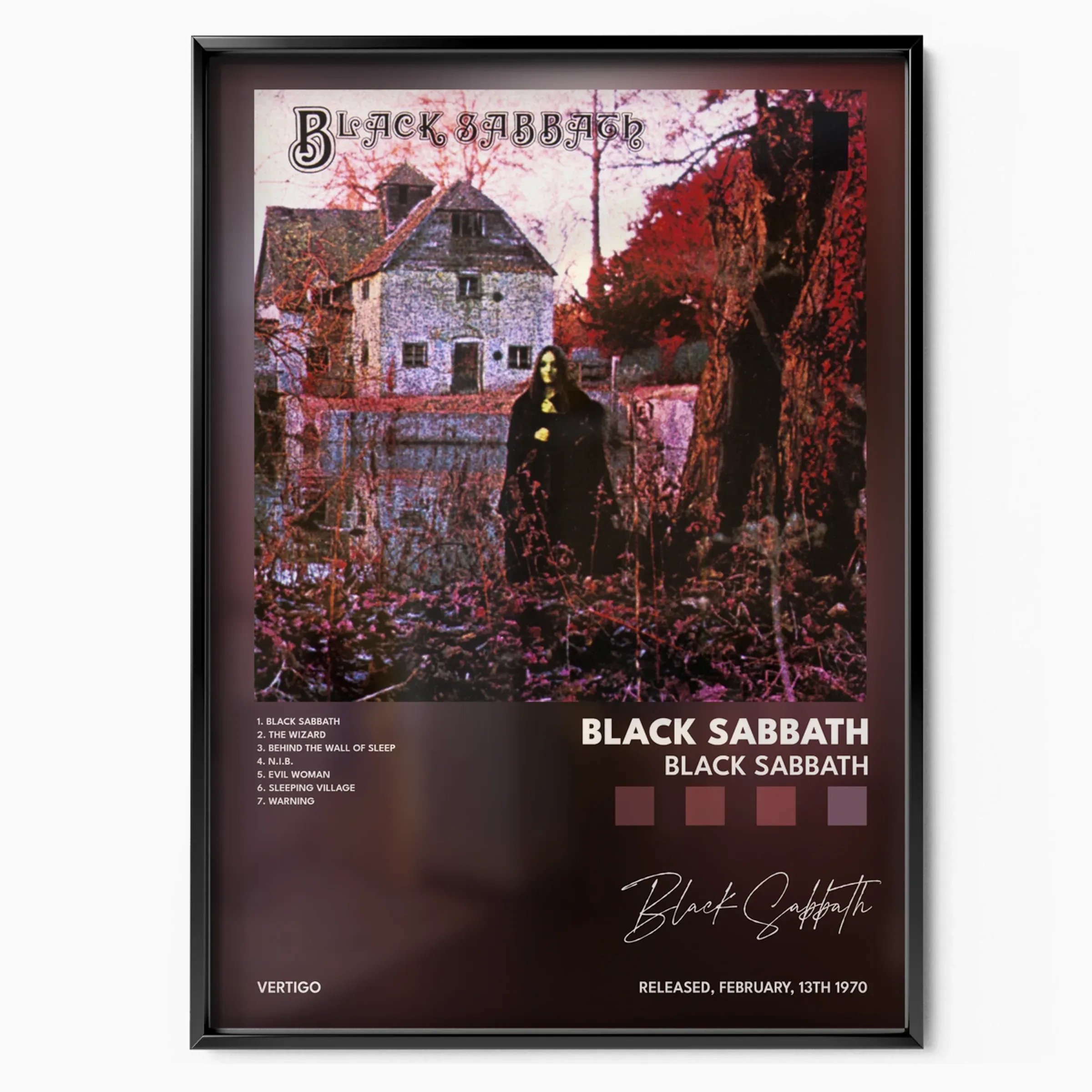
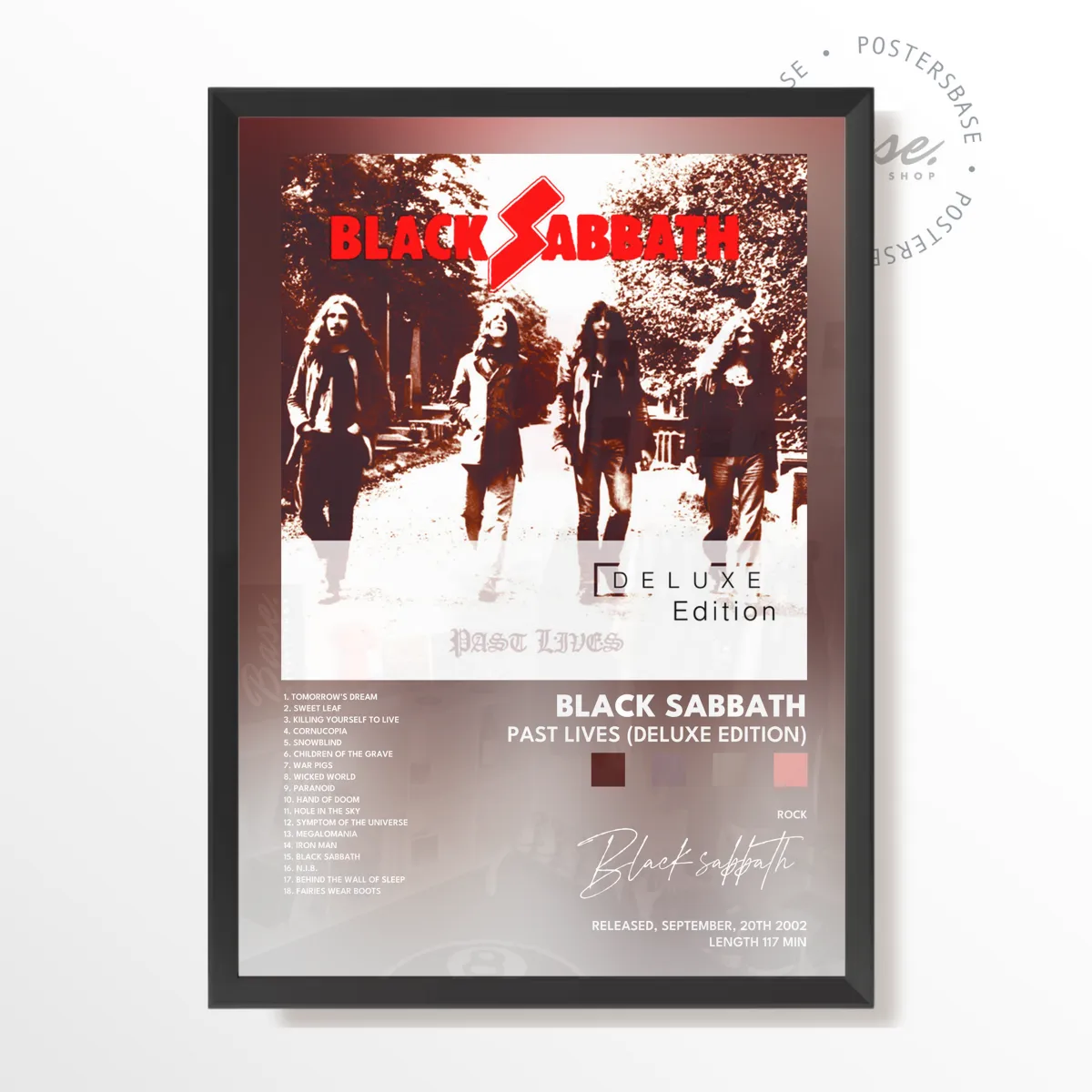
Black Sabbath were forged in Aston, a working-class district of Birmingham, England, where four teenagers turned the grey grind of an industrial city into the loudest new sound of the twentieth century. Guitarist Tony Iommi, bassist Geezer Butler, drummer Bill Ward and singer Ozzy Osbourne came together at the tail end of the 1960s, and on 30 August 1969 they settled on the name Black Sabbath, lifted from a 1963 Boris Karloff horror film of the same title. Their self-titled debut Black Sabbath arrived on Friday 13 February 1970 and, according to Iommi, was recorded in a single day. Critics of the era sneered at it, yet the record is now widely regarded as the first true heavy metal album. Its tolling church bells, falling rain and ominous tritone riff drew a blueprint that thousands of bands would spend the next fifty years chasing.
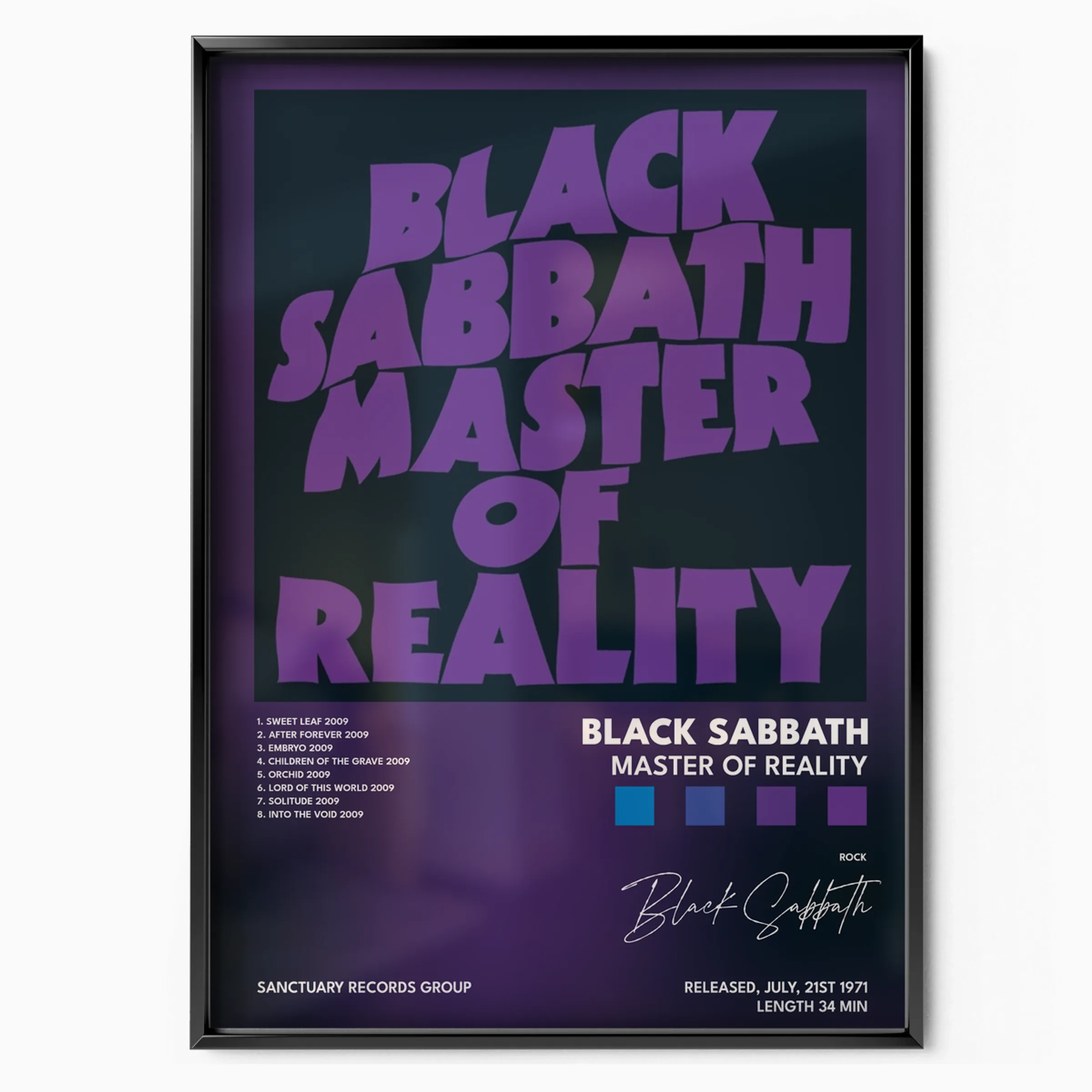
The band's darkness had a strikingly physical origin. On his last day working in a Birmingham sheet-metal factory at the age of seventeen, Iommi lost the tips of two fingers on his fretting hand. He fashioned homemade caps from a melted plastic bottle, and to ease the pain of pressing the strings he began detuning his guitar below standard pitch. That downtuned, sludge-thick tone, heard in full on 1971's Master of Reality with its landmark tracks "Sweet Leaf" and "Children of the Grave", is quite literally the sound of heavy metal being invented by accident. Geezer Butler's lyrics gave the music its conscience, turning war, dread and mortality into subjects a rock band could own.
Paranoid and the Classic Ozzy Era
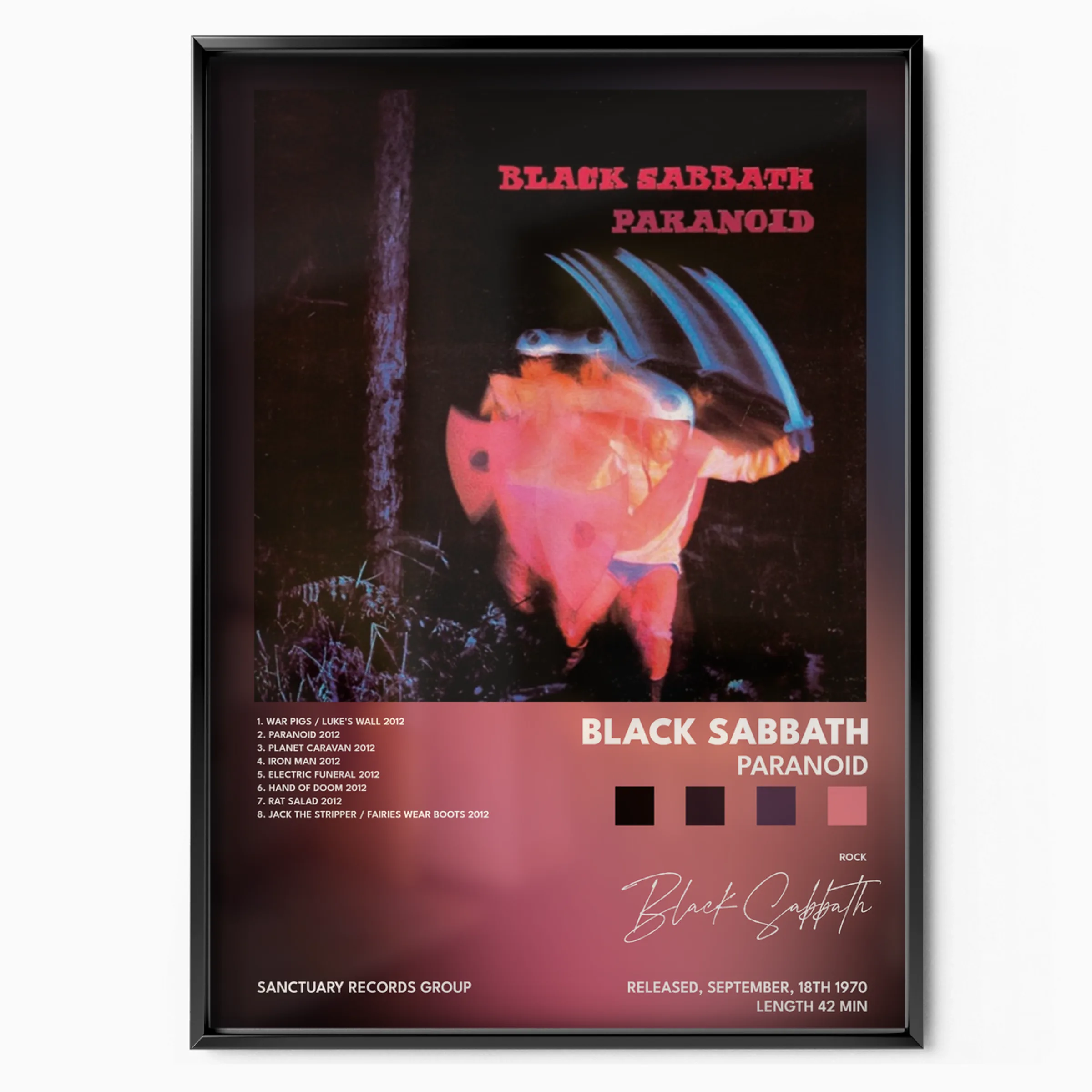
If the debut opened the door, Paranoid kicked it off its hinges. Released on 18 September 1970, only months after the first album, it delivered "War Pigs", "Iron Man" and a title track written in minutes as a last-minute filler to give the label a single. That throwaway became the band's only UK Top 20 hit, reaching number four, while the album itself topped the UK chart, a feat Sabbath would not repeat for more than four decades. Paranoid has since sold well over twelve million copies worldwide and remains, for a great many listeners, the definitive heavy metal record. Taken together, the debut, Paranoid and Master of Reality form the untouchable heart of the original Osbourne era, three albums that made a smoky corner of the Midlands the unlikely capital of an entire genre.
New Singers, New Chapters
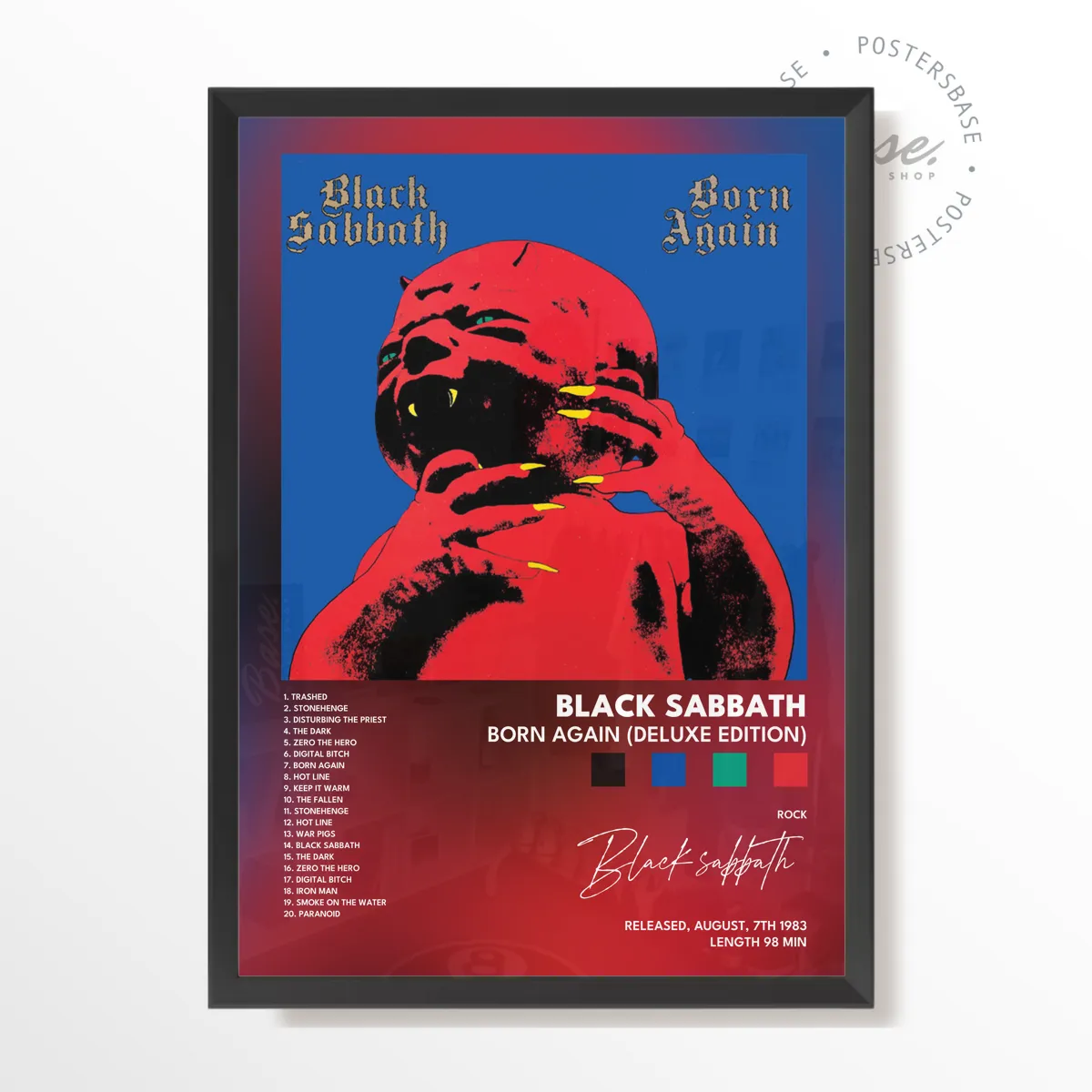
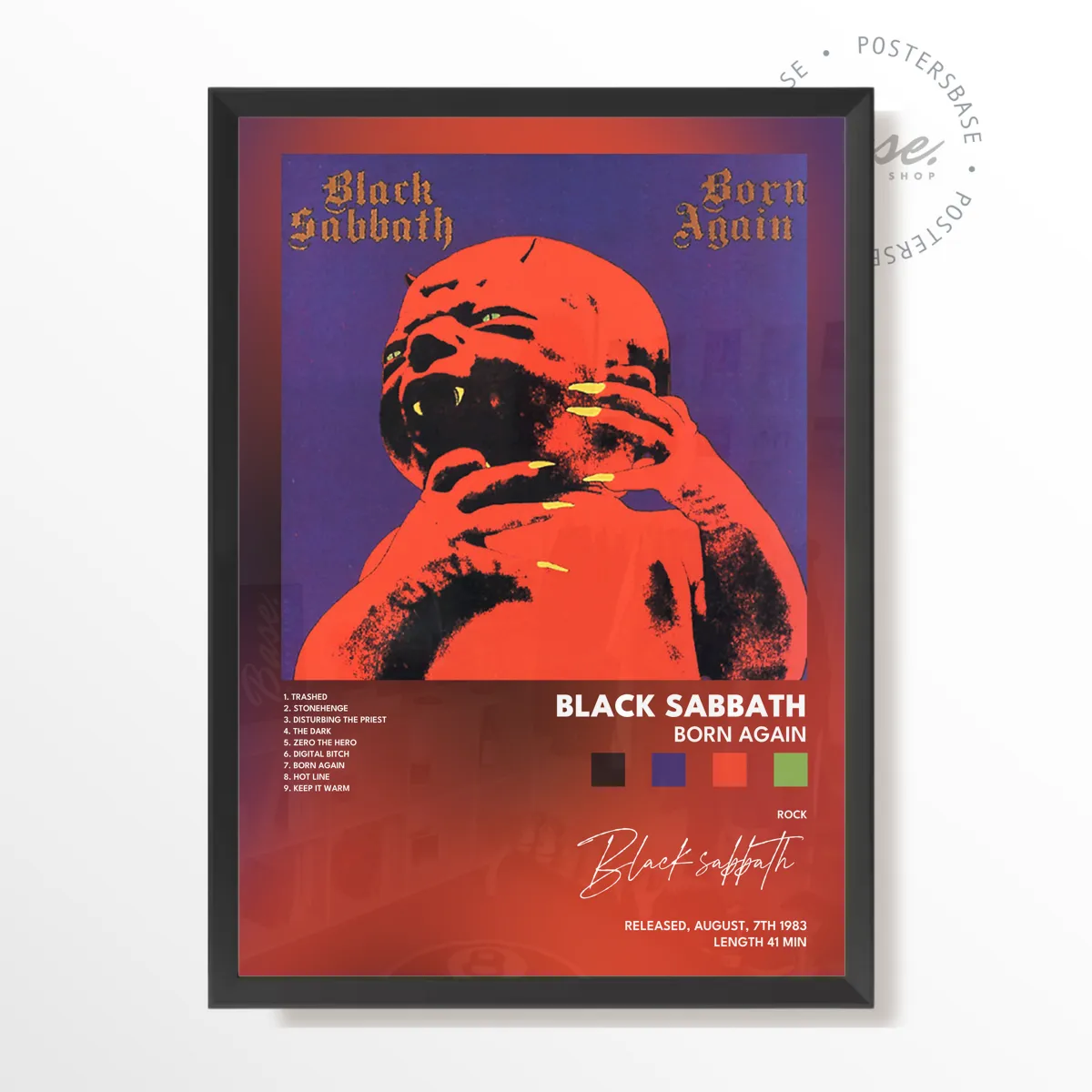
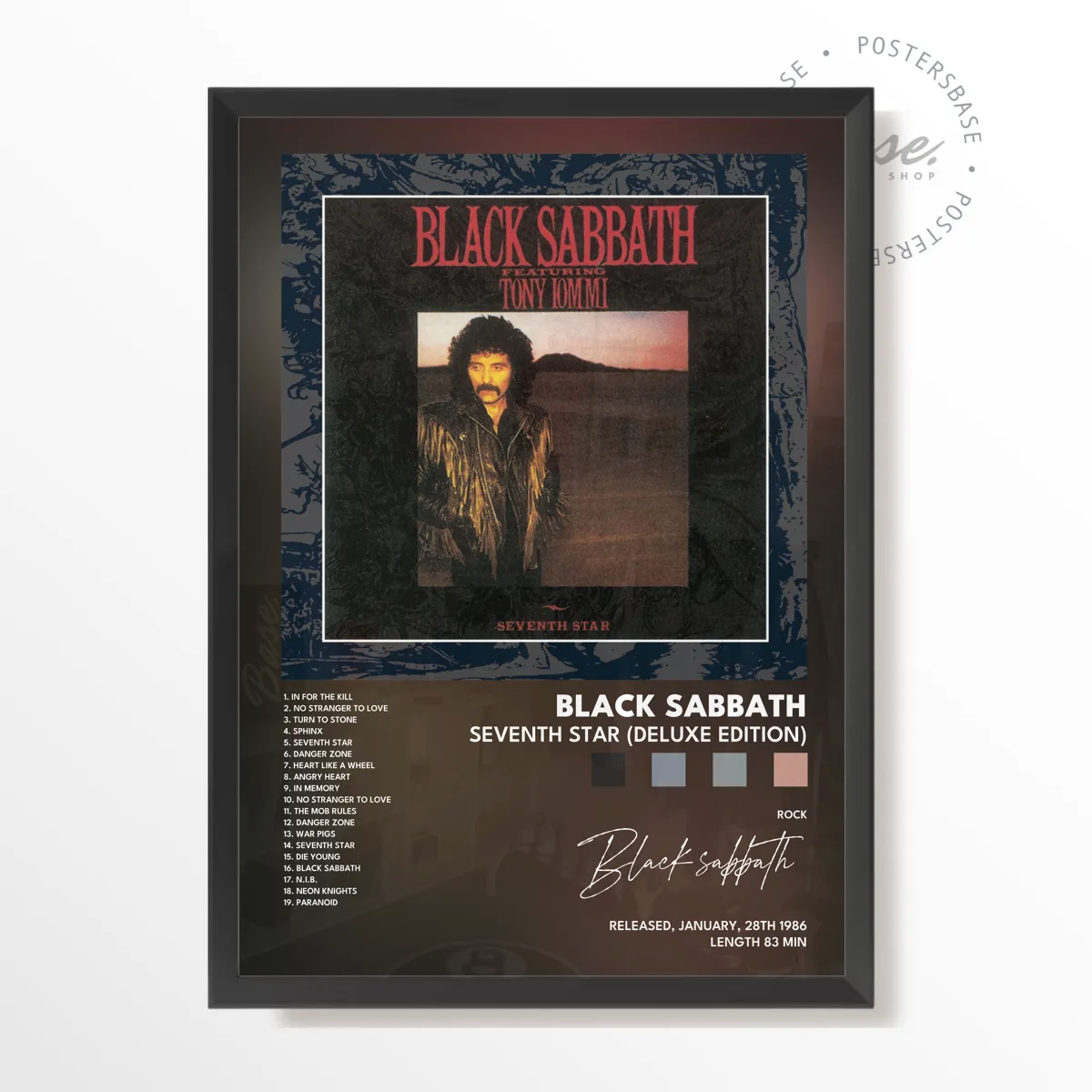
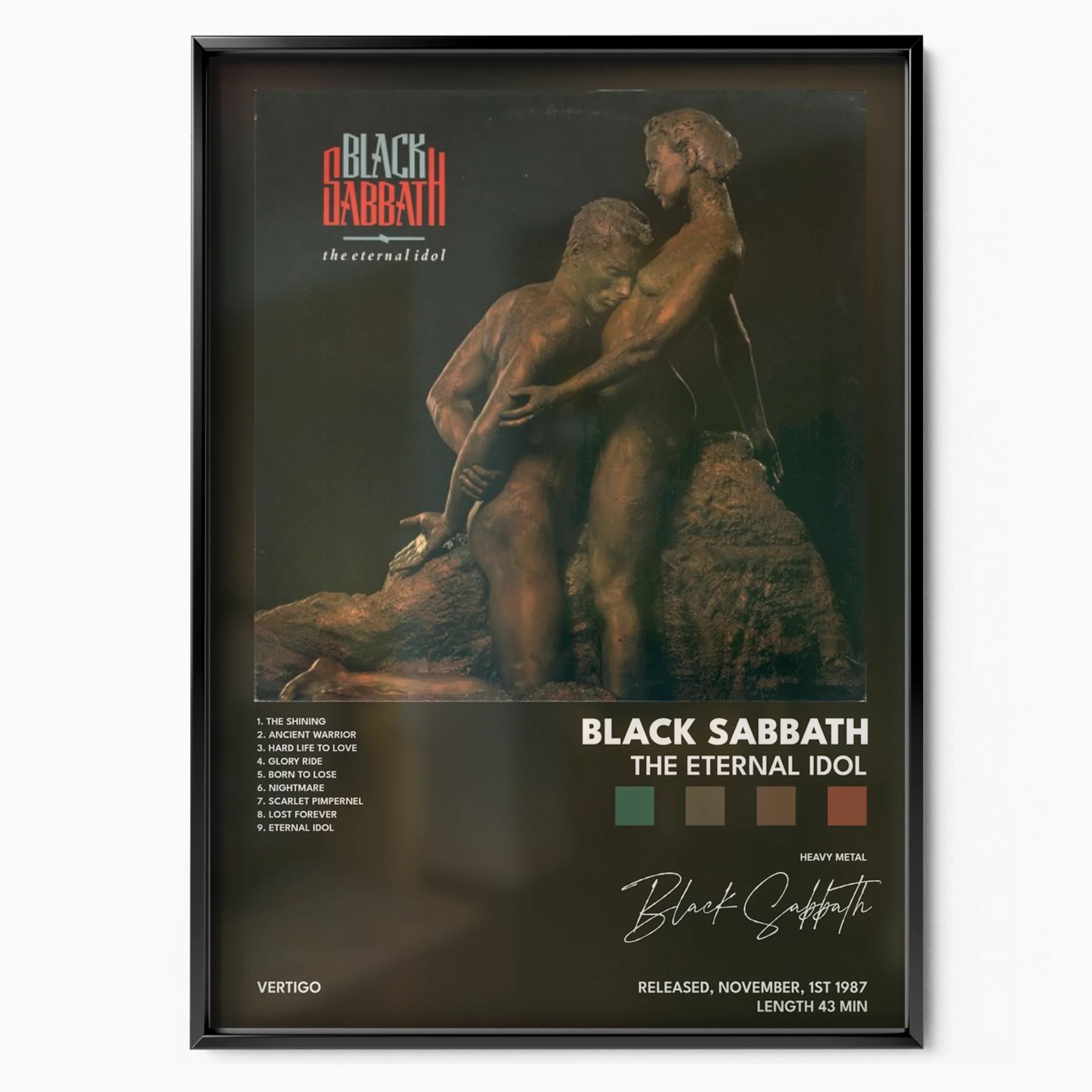
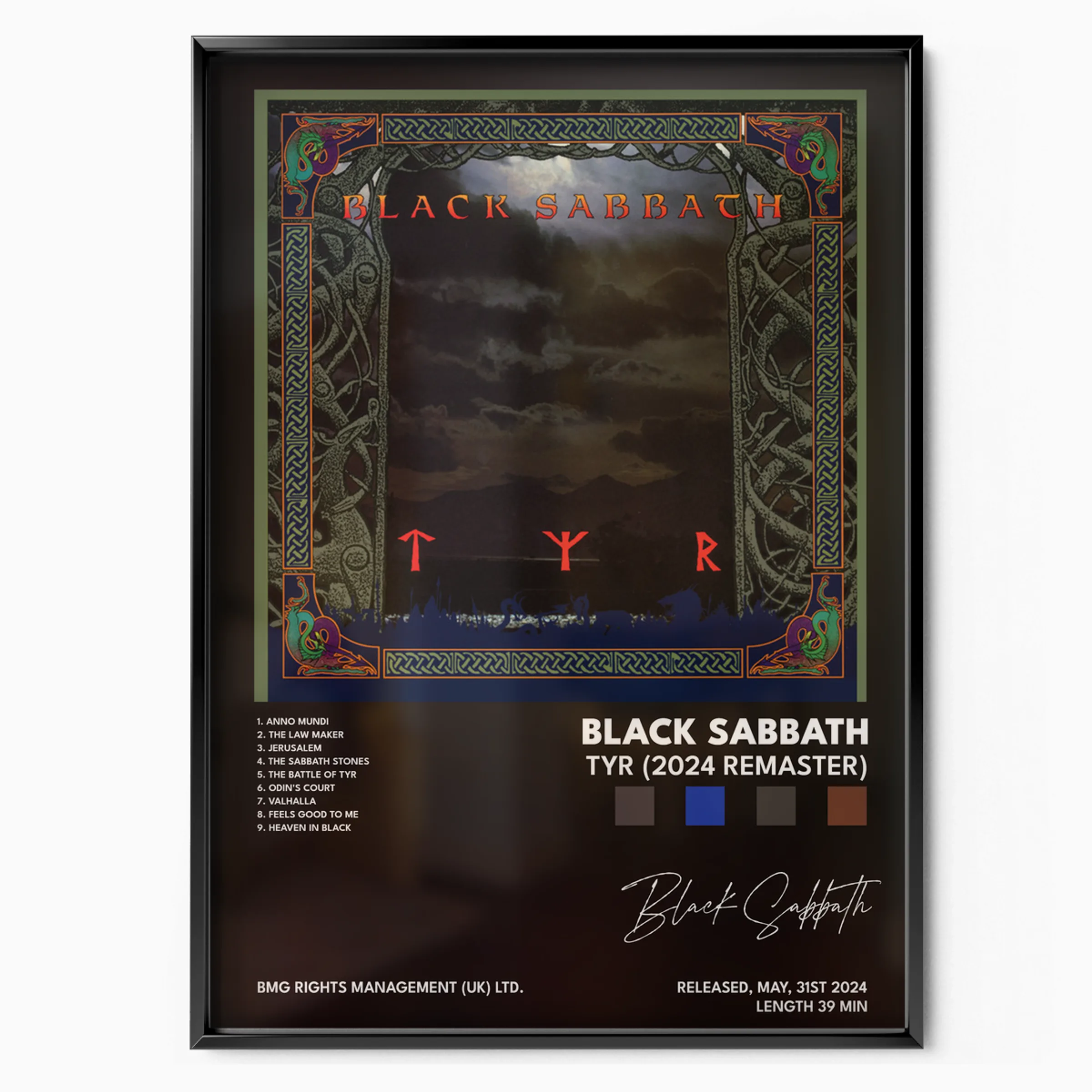
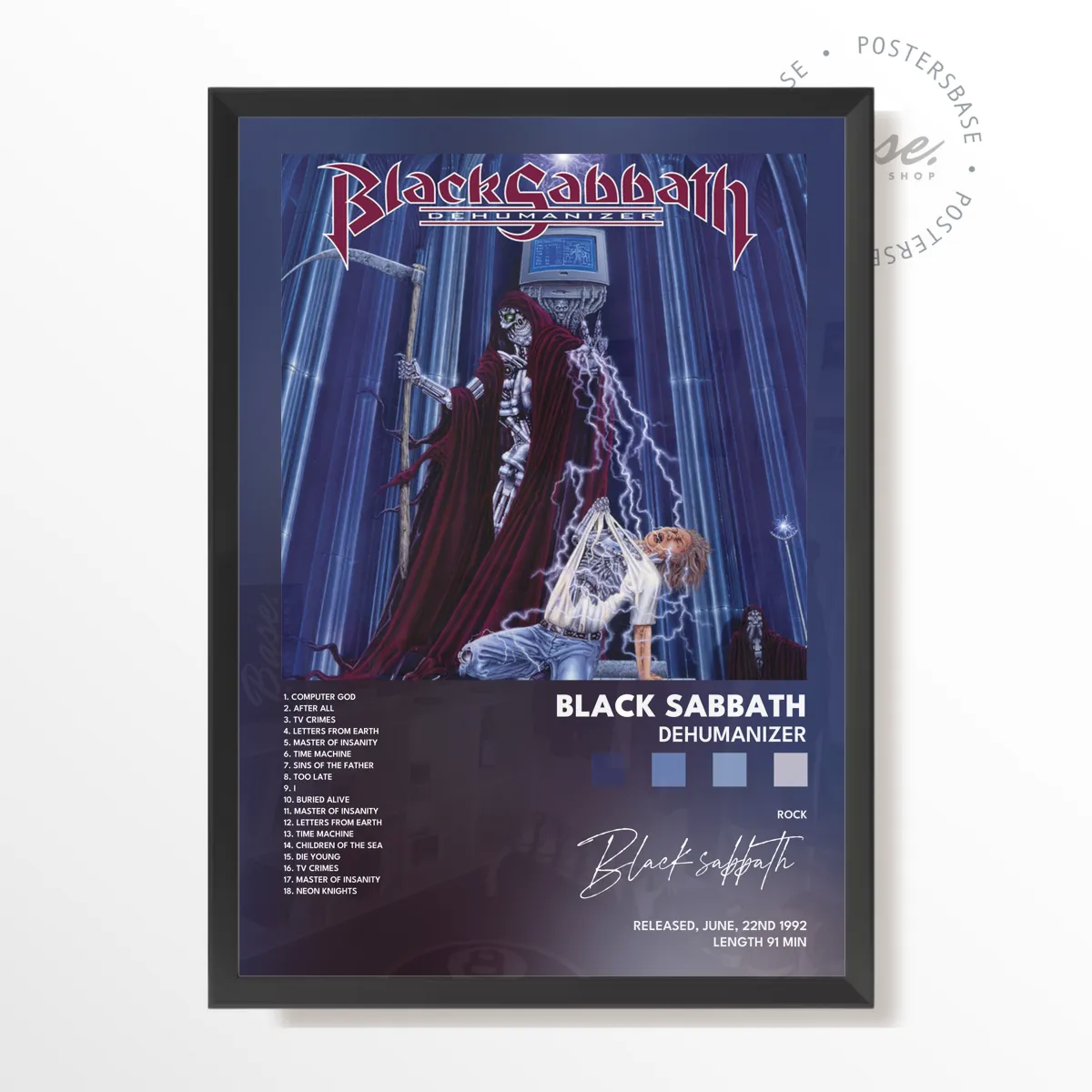
Ozzy Osbourne was fired on 27 April 1979, and rather than fold, Black Sabbath reinvented themselves. Ronnie James Dio stepped in, and the 1980 album Heaven and Hell gave the band a soaring, operatic second life along with a devoted new following. The years that followed produced some of the most fascinating and turbulent entries in the catalogue. Born Again in 1983 paired the band with ex-Deep Purple howler Ian Gillan for one gloriously chaotic record that still climbed to number four in the UK. The mid-1980s brought Seventh Star and The Eternal Idol, albums on which Iommi held the name together through relentless line-up upheaval, before the Norse-themed Tyr closed out the decade. Dio then returned for Dehumanizer in 1992, a heavy, modern-sounding reunion that proved the band could still bite as hard as any of the acts it had inspired.
Recognition and a Final Bow
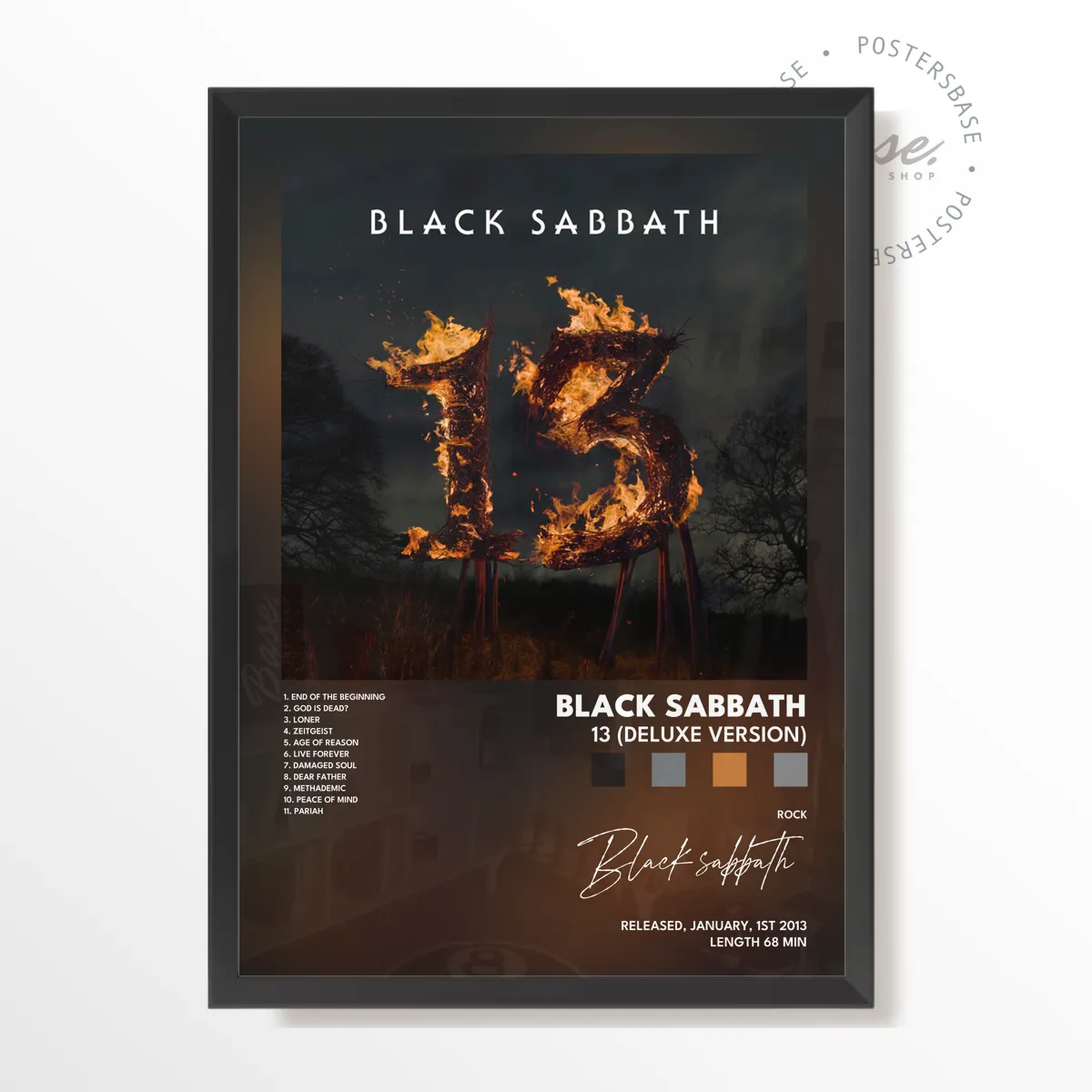
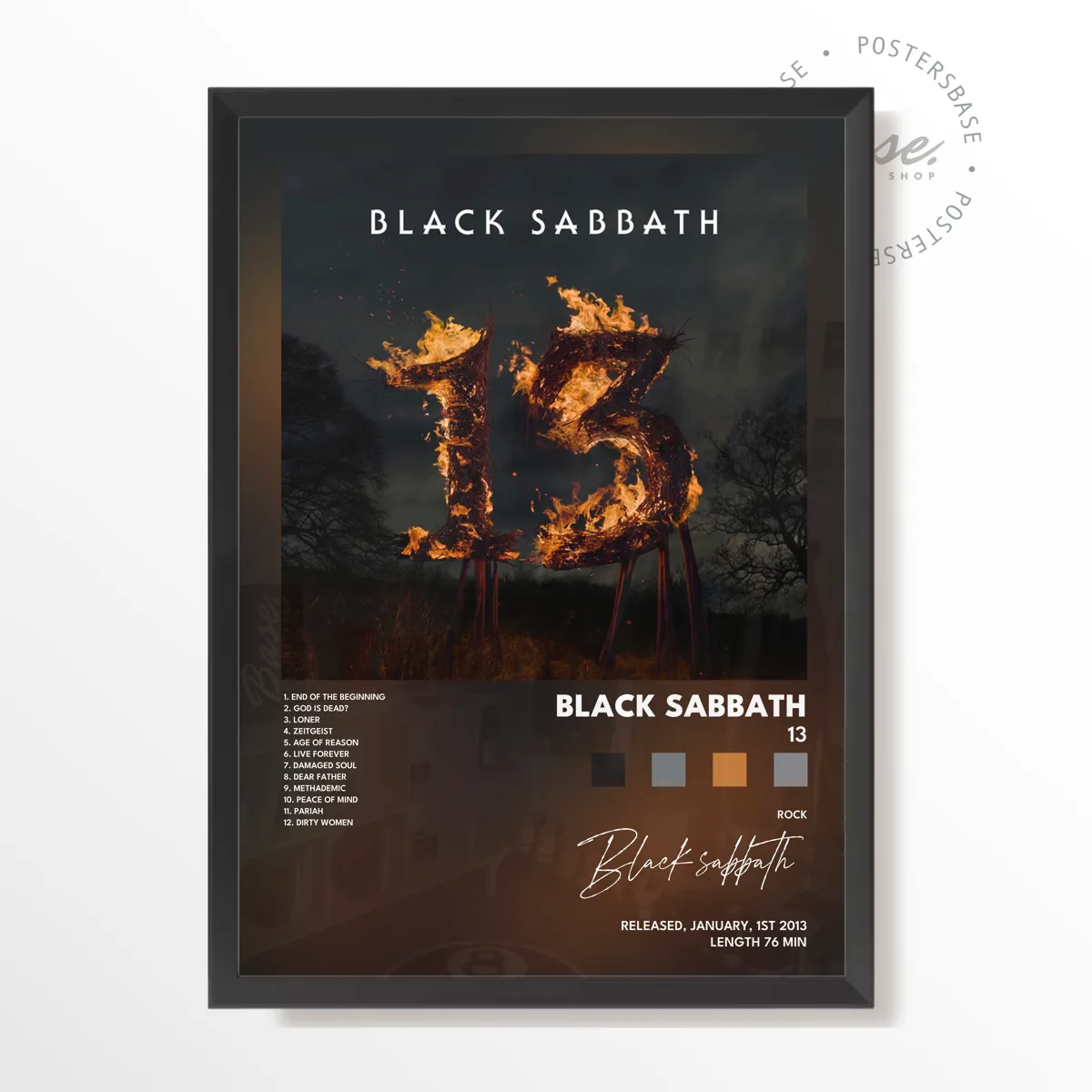
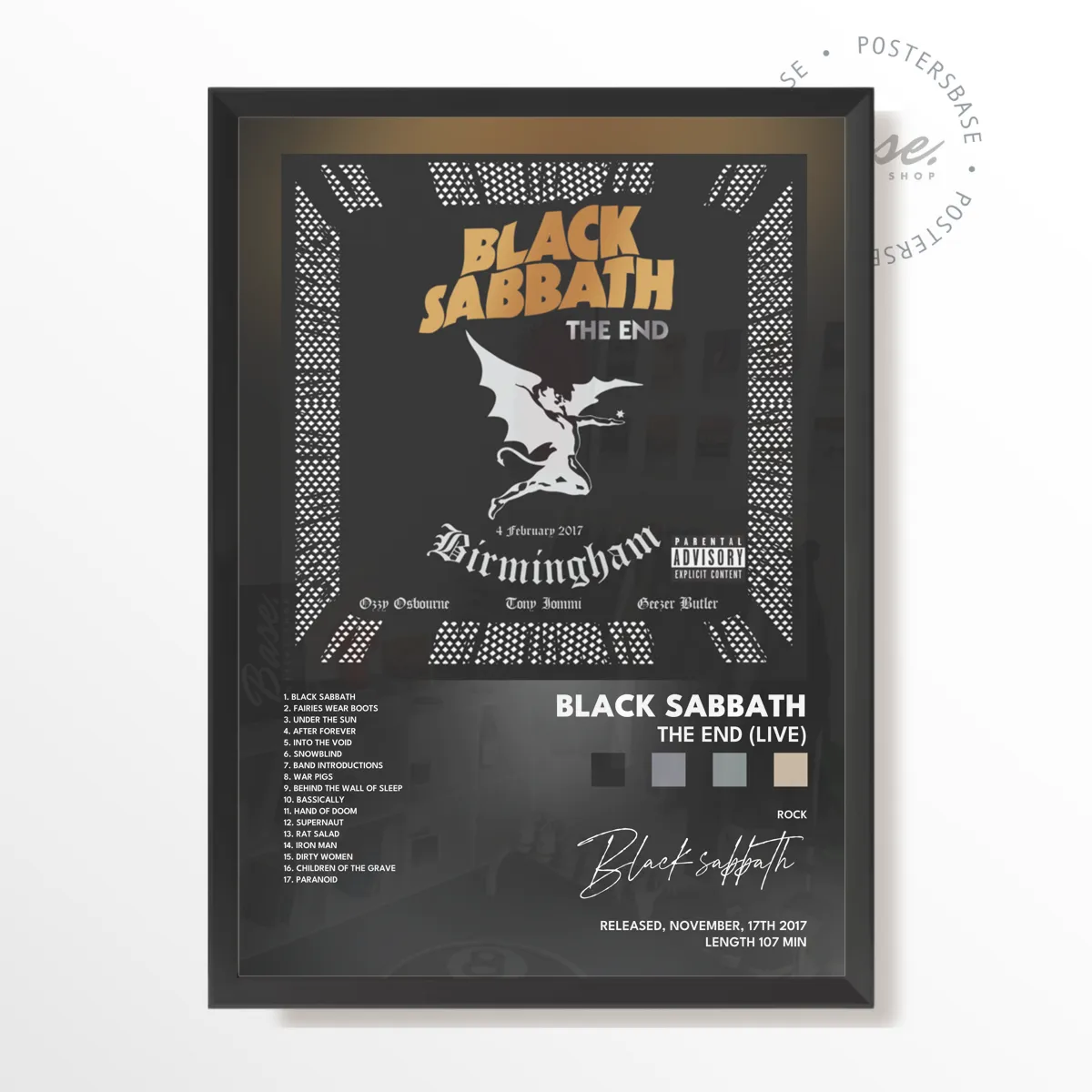
Vindication arrived on 13 March 2006, when Black Sabbath were inducted into the Rock and Roll Hall of Fame, with Metallica performing the honours for the band that had shaped them. The studio story reached a fitting climax with 13 in 2013, produced by Rick Rubin and reuniting Osbourne, Iommi and Butler. It became the group's first ever number one album in the United States and their first British chart-topper since Paranoid, closing a gap of roughly forty-three years. In 2017 Sabbath played their farewell tour, aptly titled The End, bringing the story back to the city where it began.
The last chapter is a bittersweet one. On 5 July 2025 Osbourne performed one final time with Black Sabbath at Villa Park in Birmingham, an all-day event called "Back to the Beginning" that became the highest-grossing charity concert ever staged. Just over two weeks later, on 22 July 2025, Ozzy Osbourne died at the age of 76, ending the life of the man the world knew as the godfather of heavy metal. This collection gathers gallery-grade artwork spanning every one of those eras, from the haunted debut to the triumphant farewell, so the riffs that started in Aston can live on your wall.