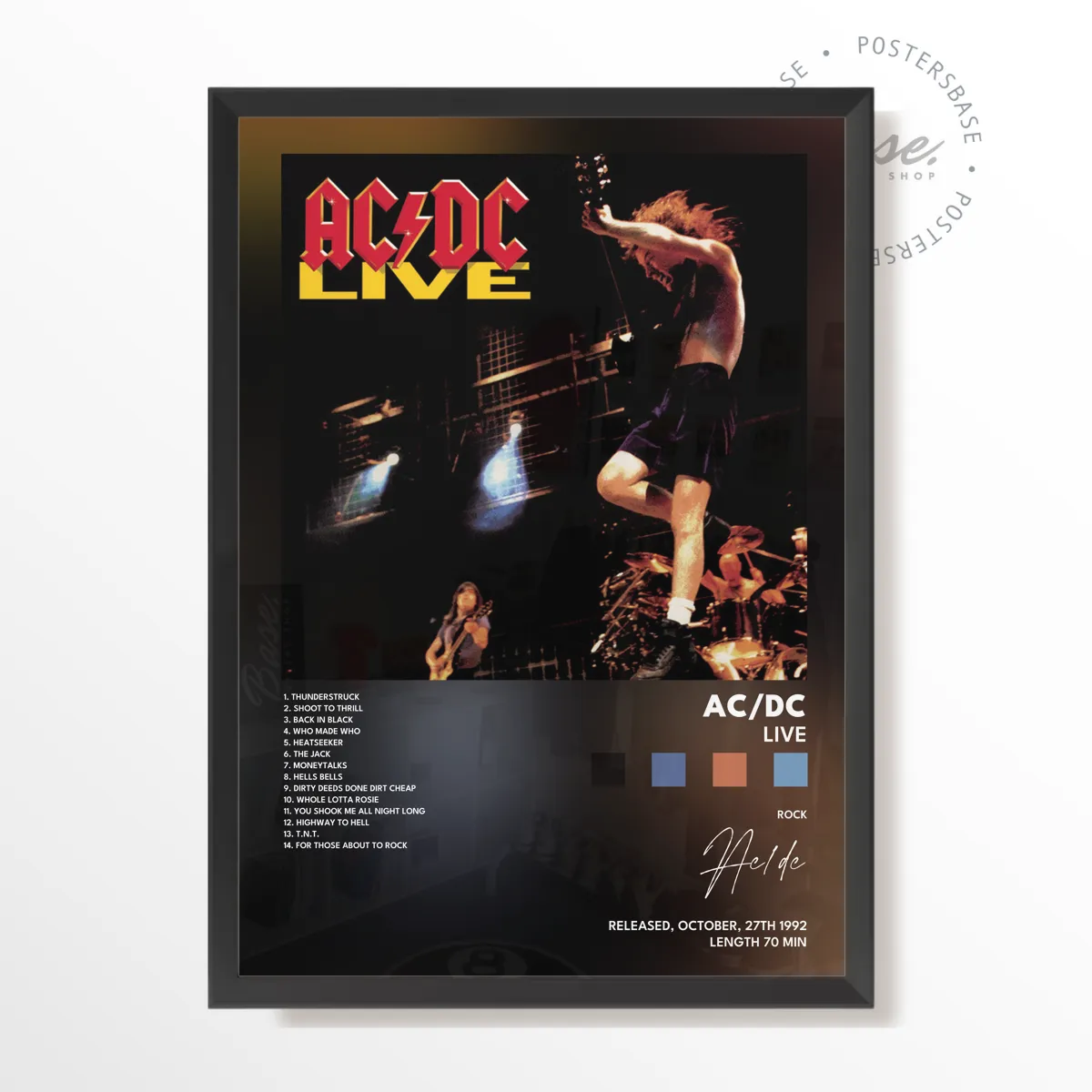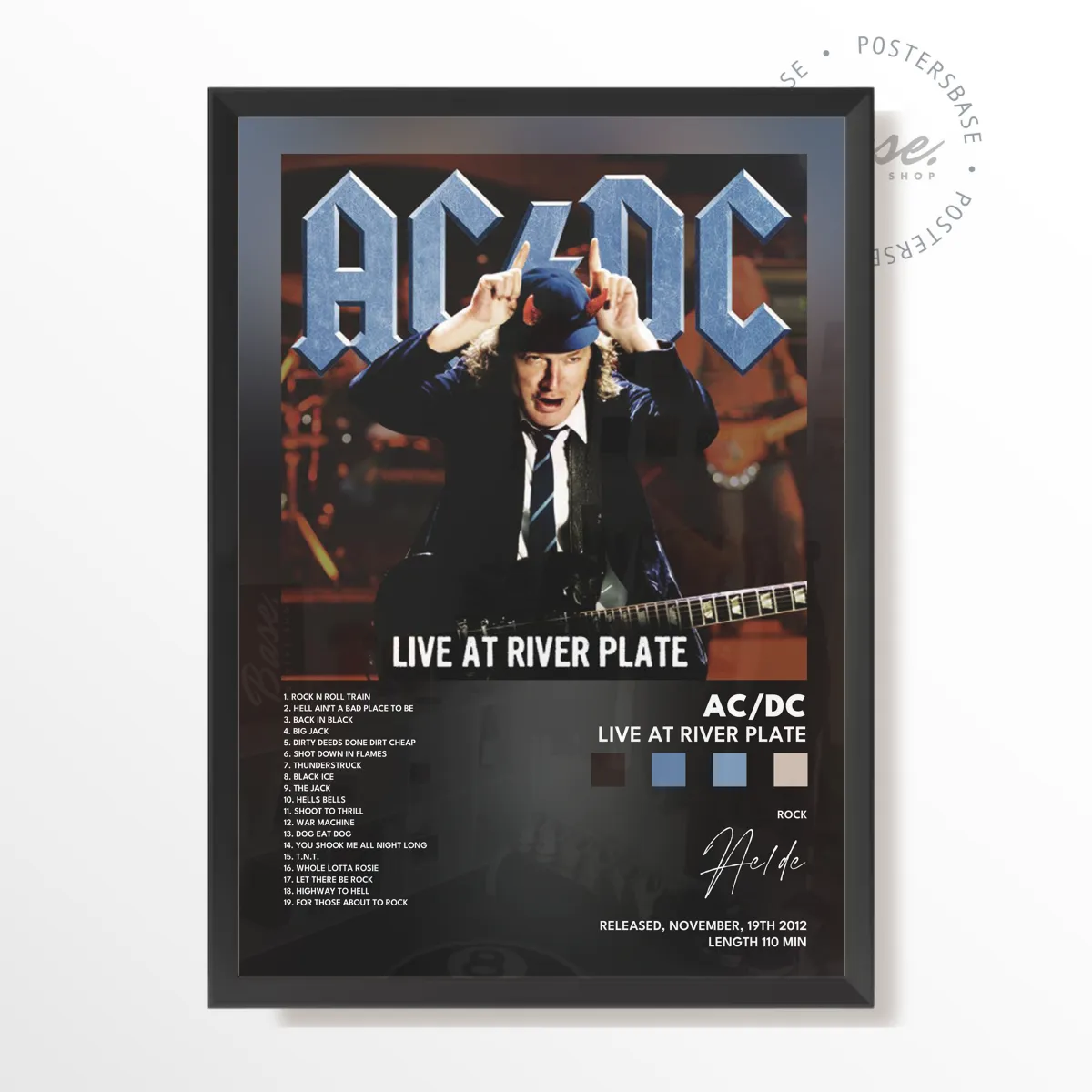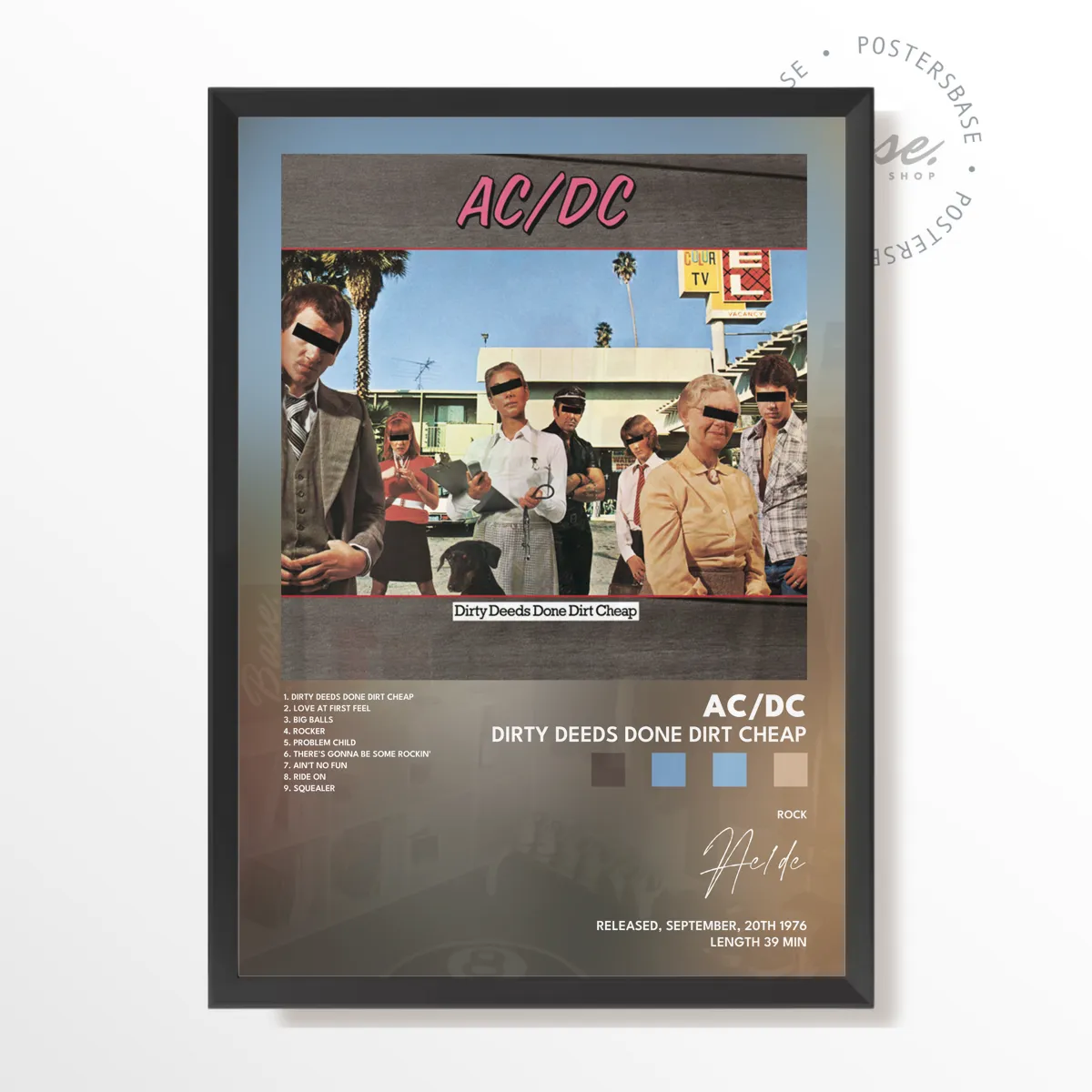
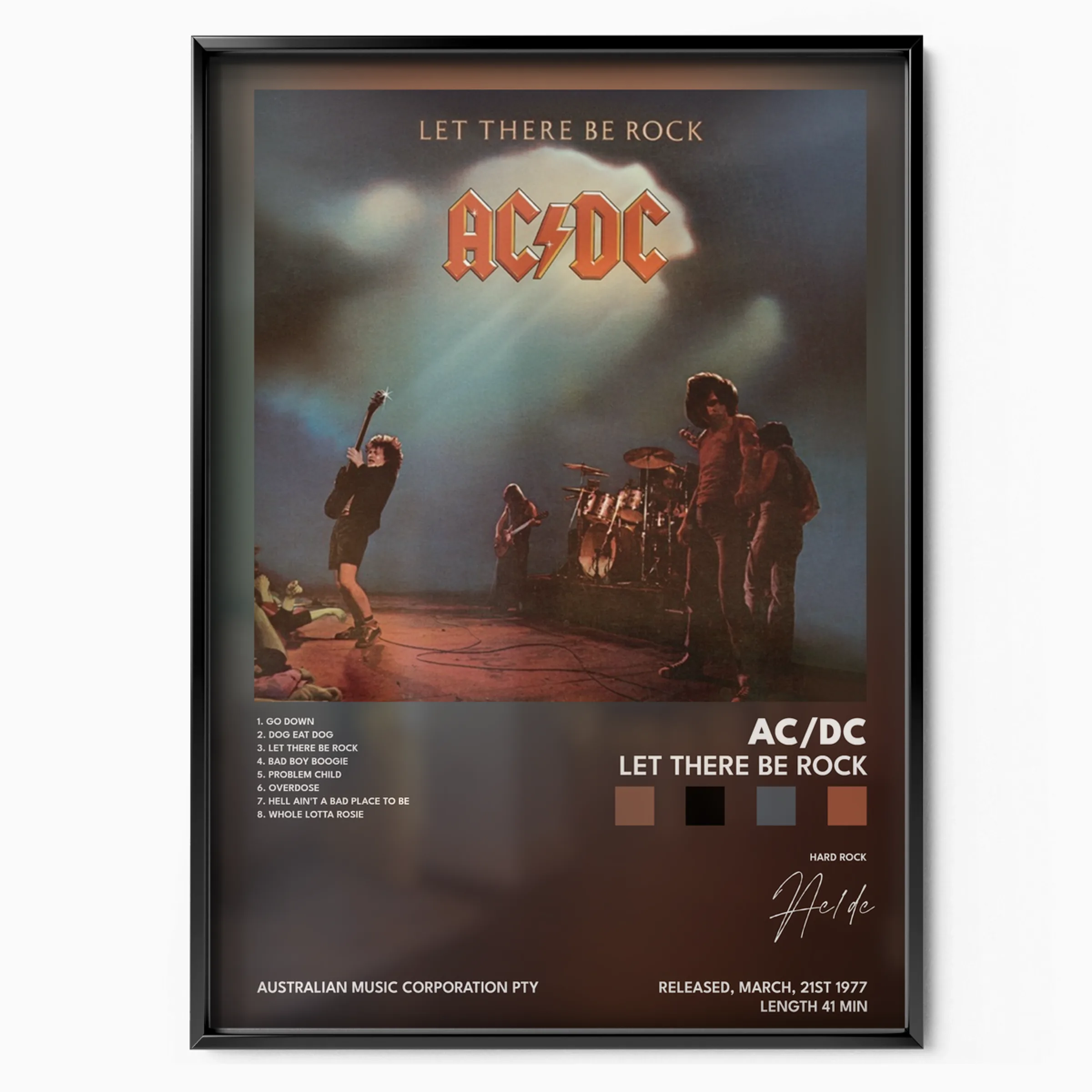

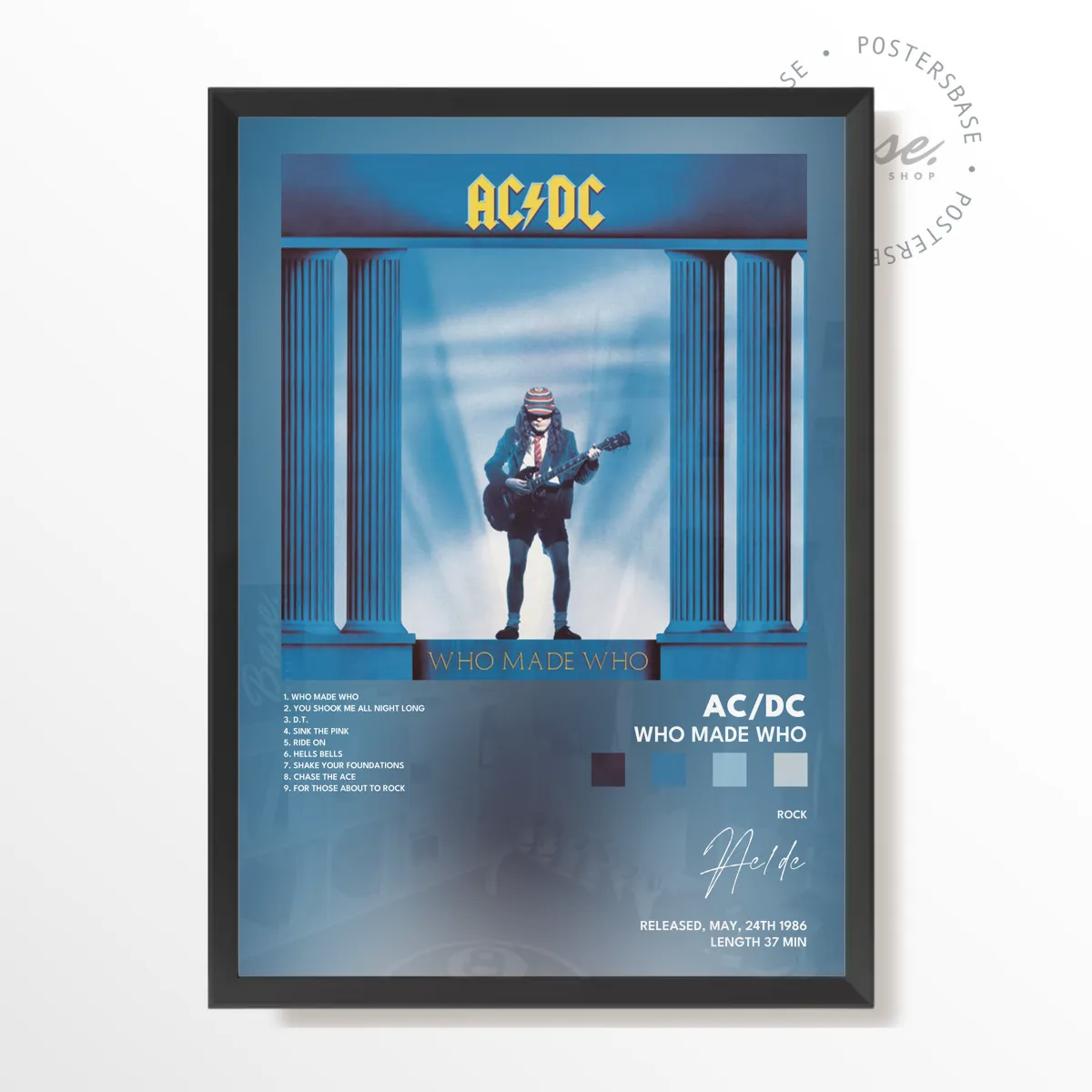
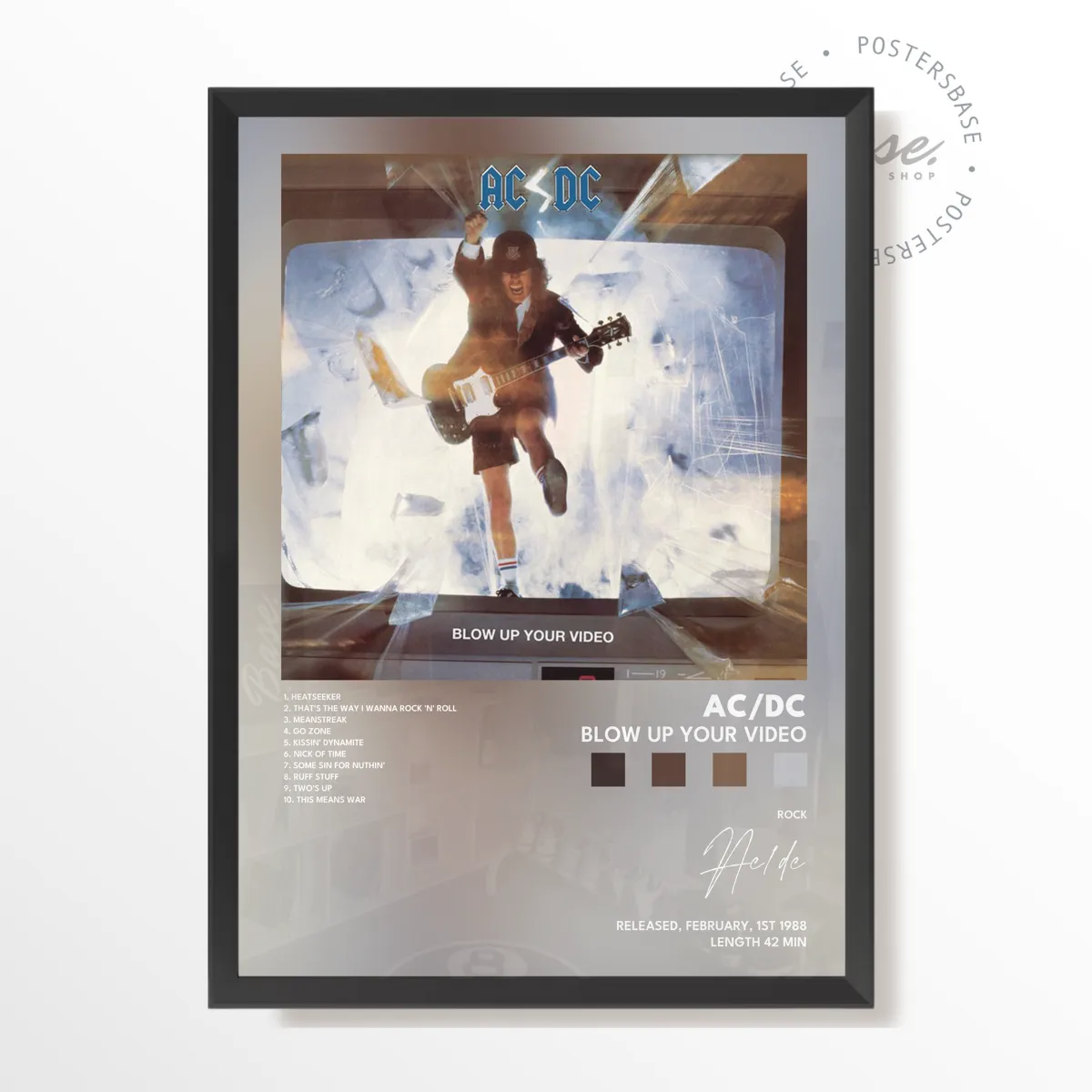
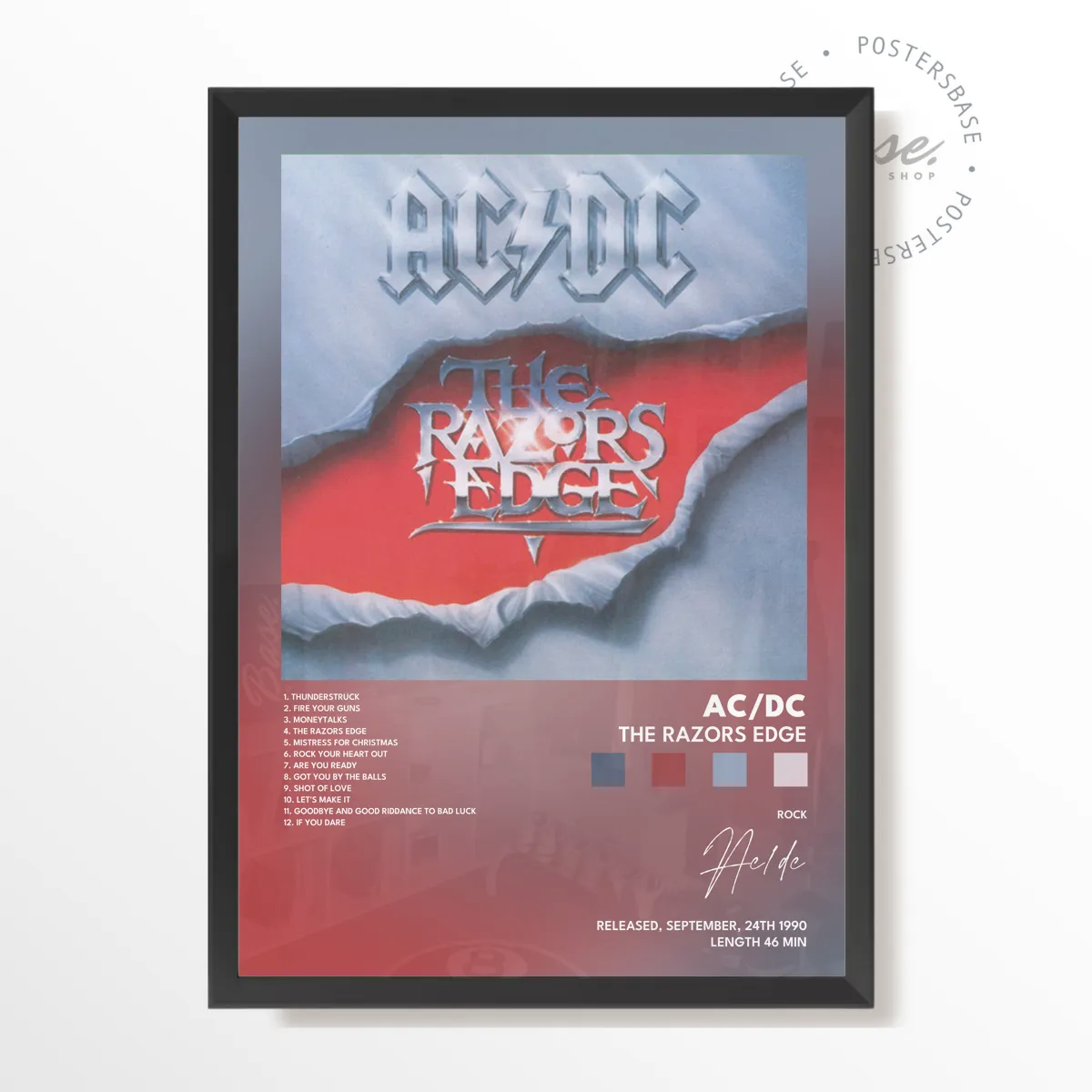
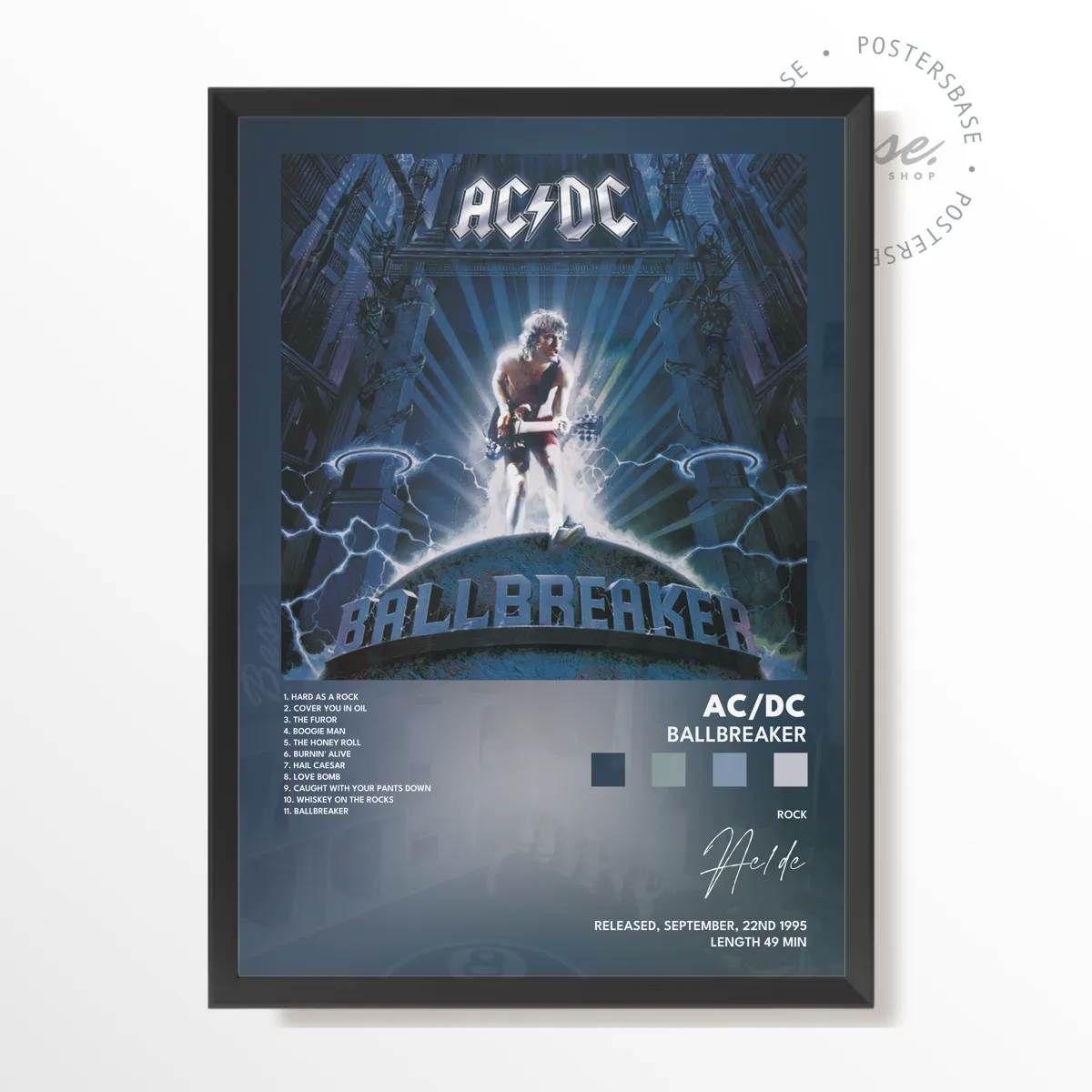
Few bands have made a virtue of consistency the way AC/DC have. Since forming in Sydney, Australia in 1973, the group built one of the most recognisable sounds in rock: a lean, high-voltage blues-rock powered by two guitars, a metronomic rhythm section, and a vocalist who sounds like he gargles gravel for breakfast. Our AC/DC posters collection follows that story album by album, from the raw pub-rock of the mid-1970s to the stadium-filling anthems that still shake sports arenas worldwide. What follows is a quick tour of the catalogue, so you can find the exact sleeve or logo you want on your wall and understand a little of the history behind it.
The Young brothers and a Sydney beginning
AC/DC was built around two brothers, lead guitarist Angus Young and rhythm guitarist Malcolm Young, who were both born in Glasgow, Scotland before their family emigrated to Australia. The band played its live debut on the last day of 1973 at Chequers, a run-down cabaret club in Sydney. The name itself came from the letters "AC/DC" that the brothers' older sister Margaret spotted on the back of her sewing machine. Margaret also gave the band its most enduring visual gag: she suggested Angus wear his old Ashfield Boys' High School uniform on stage, a nod to his boyish looks and his habit of practising guitar for hours in his school blazer. The schoolboy suit first appeared in April 1974 and never left.
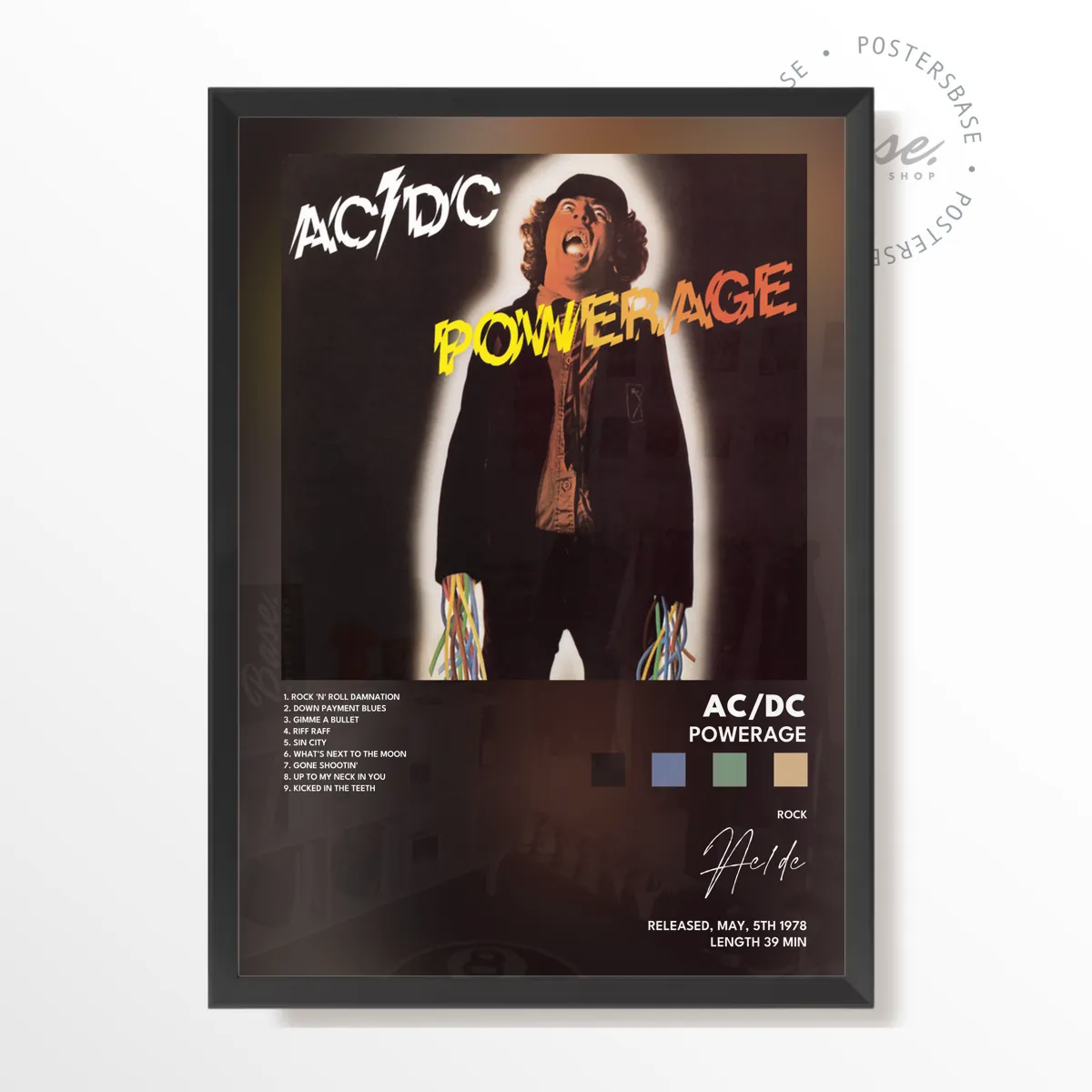
The early records capture a band sharpening its attack. Dirty Deeds Done Dirt Cheap, Let There Be Rock and Powerage trace the Bon Scott years, when the Scottish-born singer's leering wit and streetwise swagger gave the riffs their personality. These are the albums that turned a hungry Australian club act into a touring force across Europe and, slowly, the United States. What set them apart was discipline: while other bands chased trends, AC/DC kept the tempo steady, the choruses simple, and the volume enormous, trusting that a great riff never goes out of style. Malcolm held the rhythm like an anchor while Angus soloed and duck-walked across the stage, a division of labour that defined the group for fifty years.
Highway to Hell and the loss of Bon Scott
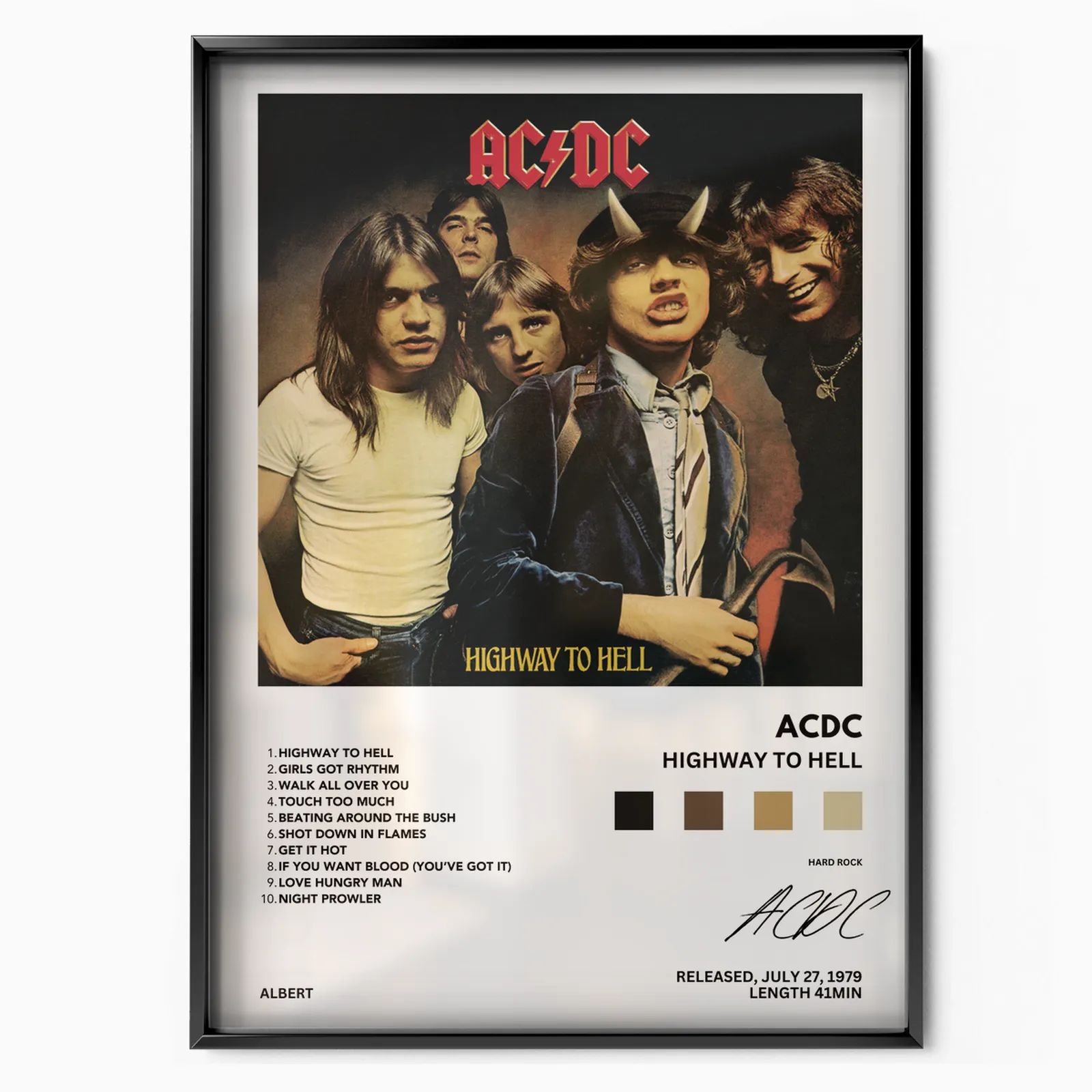
Highway to Hell, released on 27 July 1979, was the record that broke AC/DC internationally. It sharpened the band's sound into something radio could not ignore, and within days of its release the group played New York's Madison Square Garden for the first time, opening for Ted Nugent. It should have been the start of a long climb. Instead, on 19 February 1980, Bon Scott was found dead in London after a night of heavy drinking. He was 33 years old. For a moment it seemed the band might end with him, and the grief that followed could easily have closed the book on AC/DC for good.
Back in Black and global domination
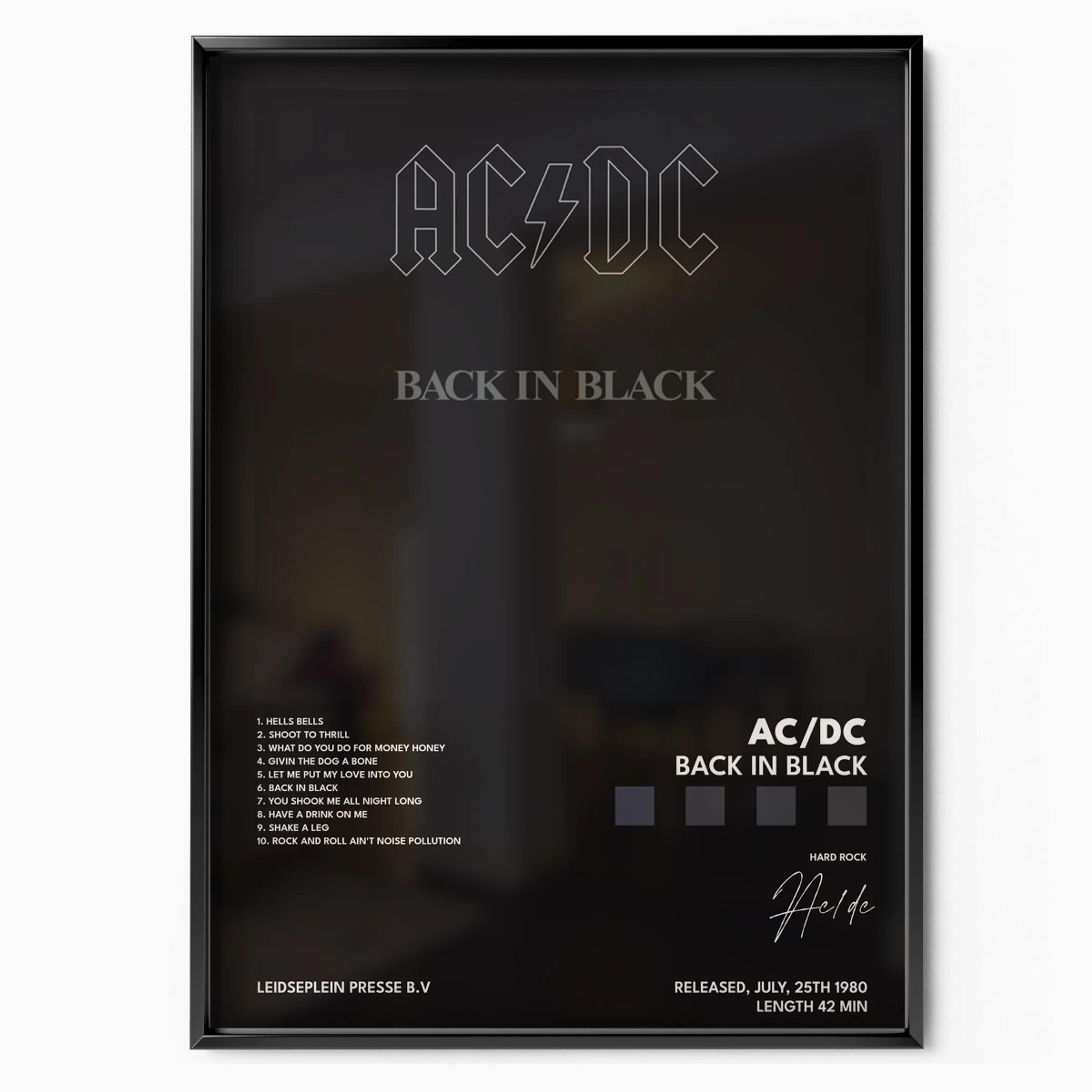
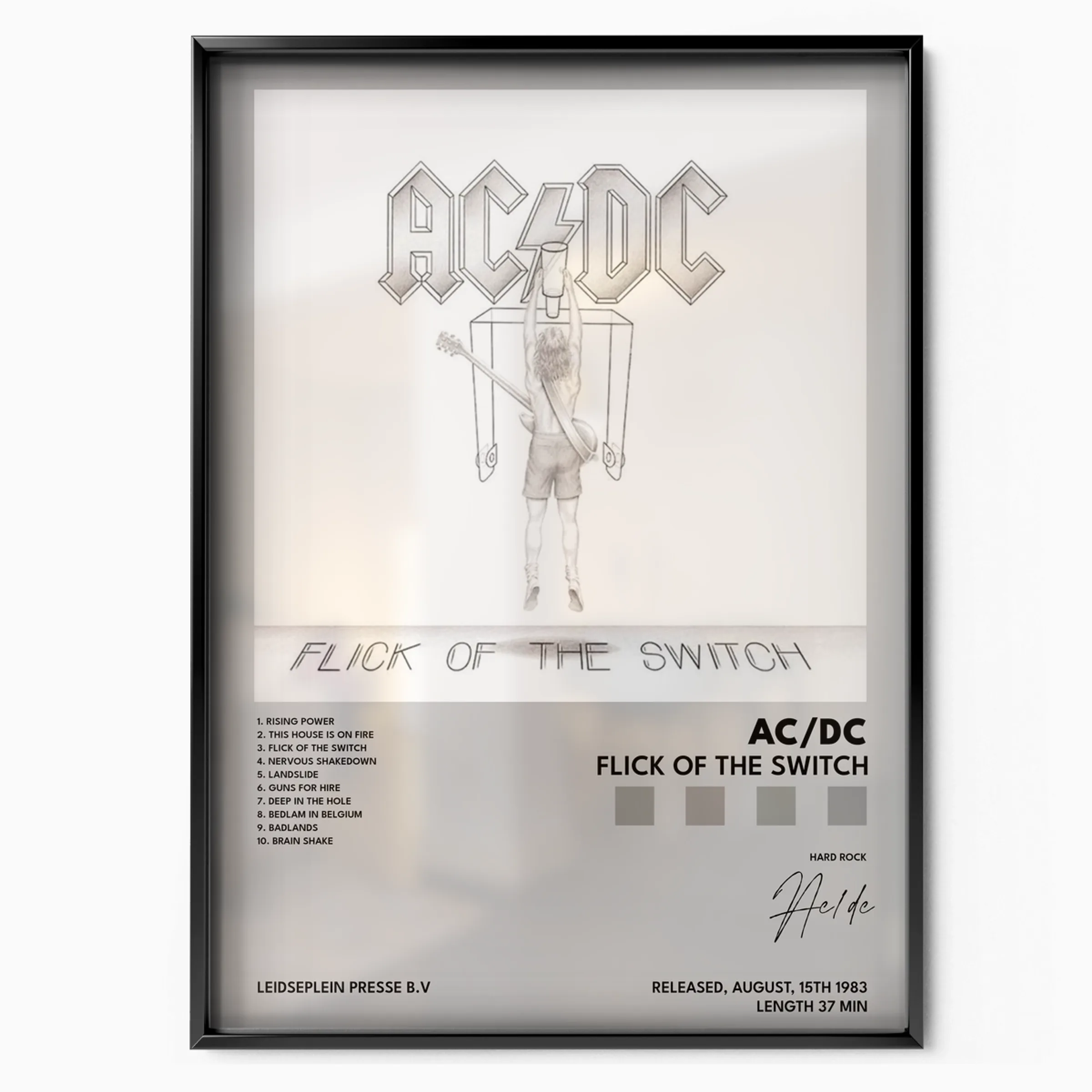
Rather than disband, the Young brothers pushed on. In April 1980 they hired English singer Brian Johnson, and that summer released Back in Black, an album that opens with the tolling bell of "Hells Bells" and never lets up. It became the best-selling rock studio album ever made, with worldwide sales estimated around 50 million copies, and in the United States it was certified for 27 million shipments in 2024, ranking as the third highest certified album in American history. The all-black sleeve, conceived as a tribute to Scott, is one of the most instantly recognisable covers in music, which is exactly why it sits at the heart of this collection alongside Flick of the Switch, Fly on the Wall and the soundtrack set Who Made Who.
A second wind and a respectful farewell
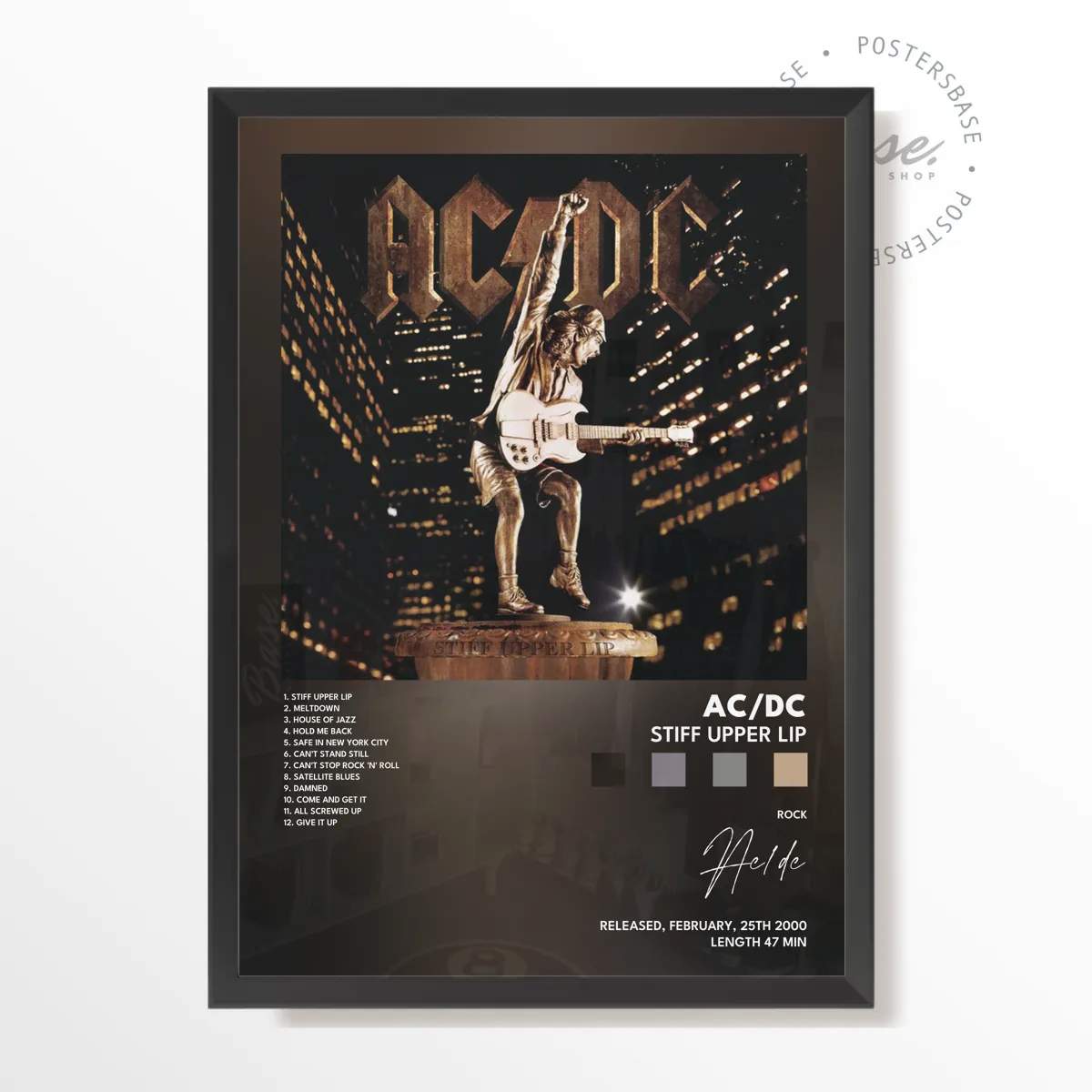
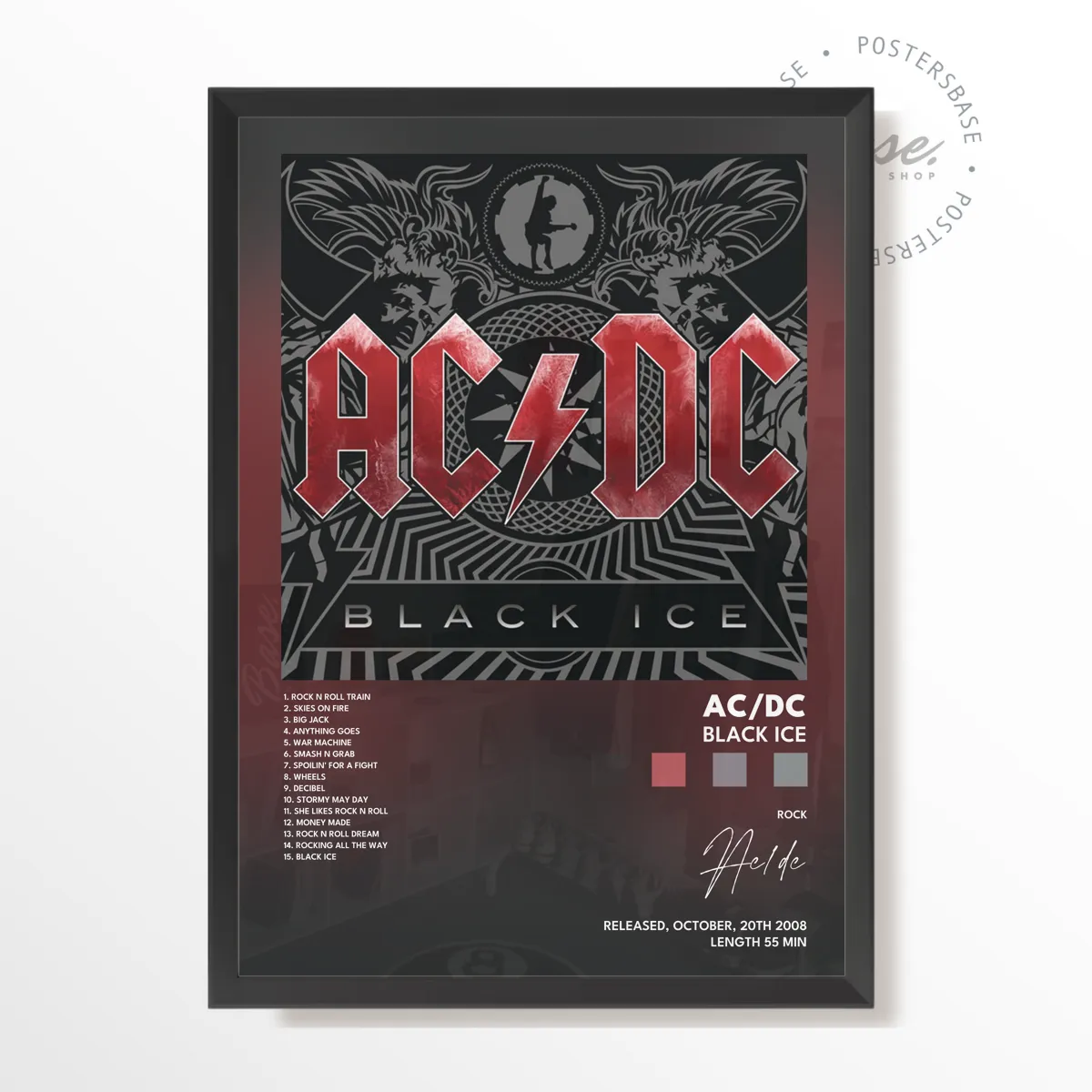
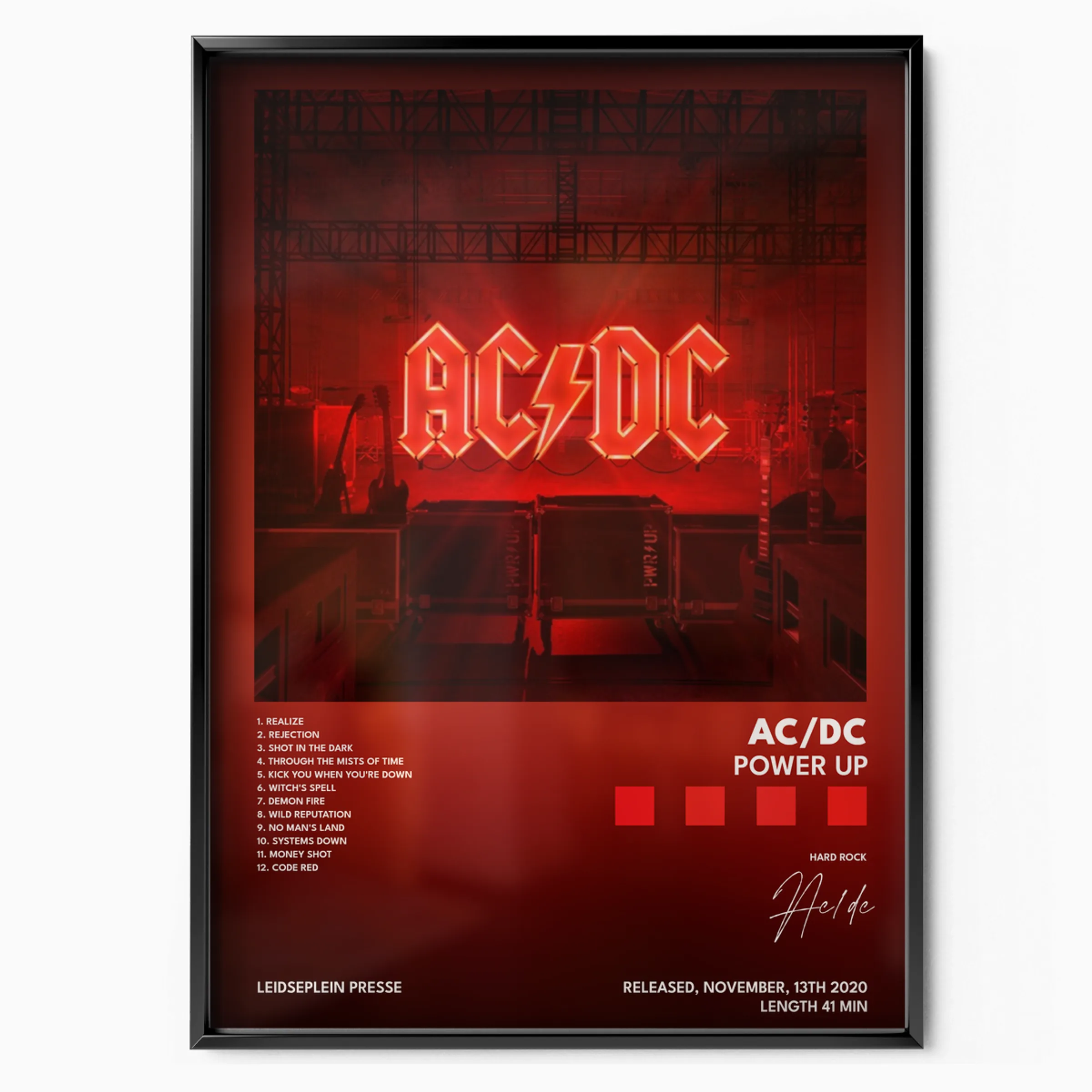
The 1980s were not all triumphs, but AC/DC roared back with The Razors Edge in 1990. Powered by the single "Thunderstruck," it reached number 2 on the US Billboard 200 and reminded everyone why the formula worked. The band kept the machine running through Ballbreaker, Stiff Upper Lip and the enormous Black Ice. Behind the scenes, Malcolm Young was quietly fighting dementia; he stepped away from the band in 2014 and died on 18 November 2017 at the age of 64, with his nephew Stevie Young taking over rhythm guitar. The reunion that produced Power Up in 2020 was sparked, fittingly, at Malcolm's funeral, and the record stands as a tribute to him. Across five decades and a dozen studio albums the brief never changed, and that is why the artwork gathered here feels so unmistakable.