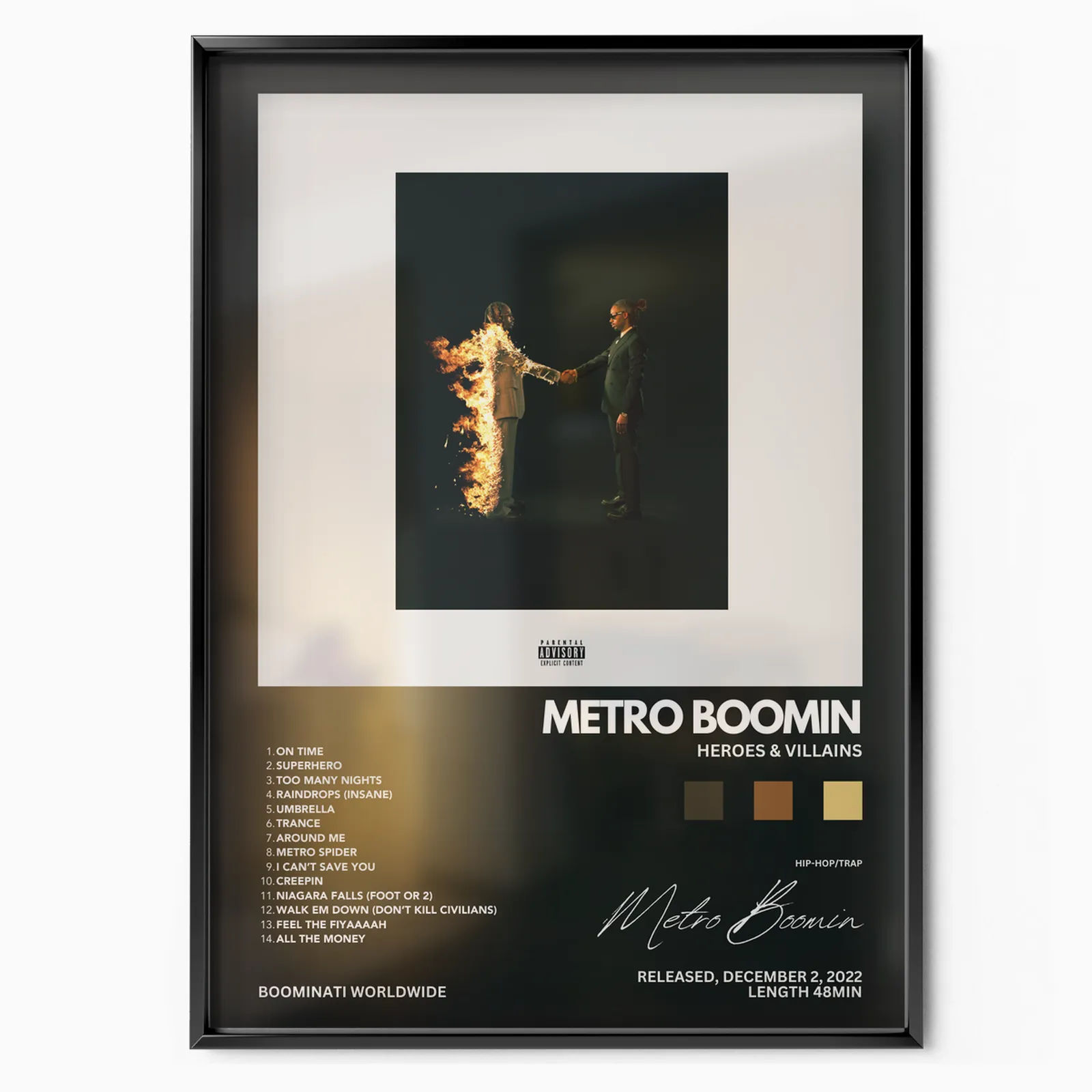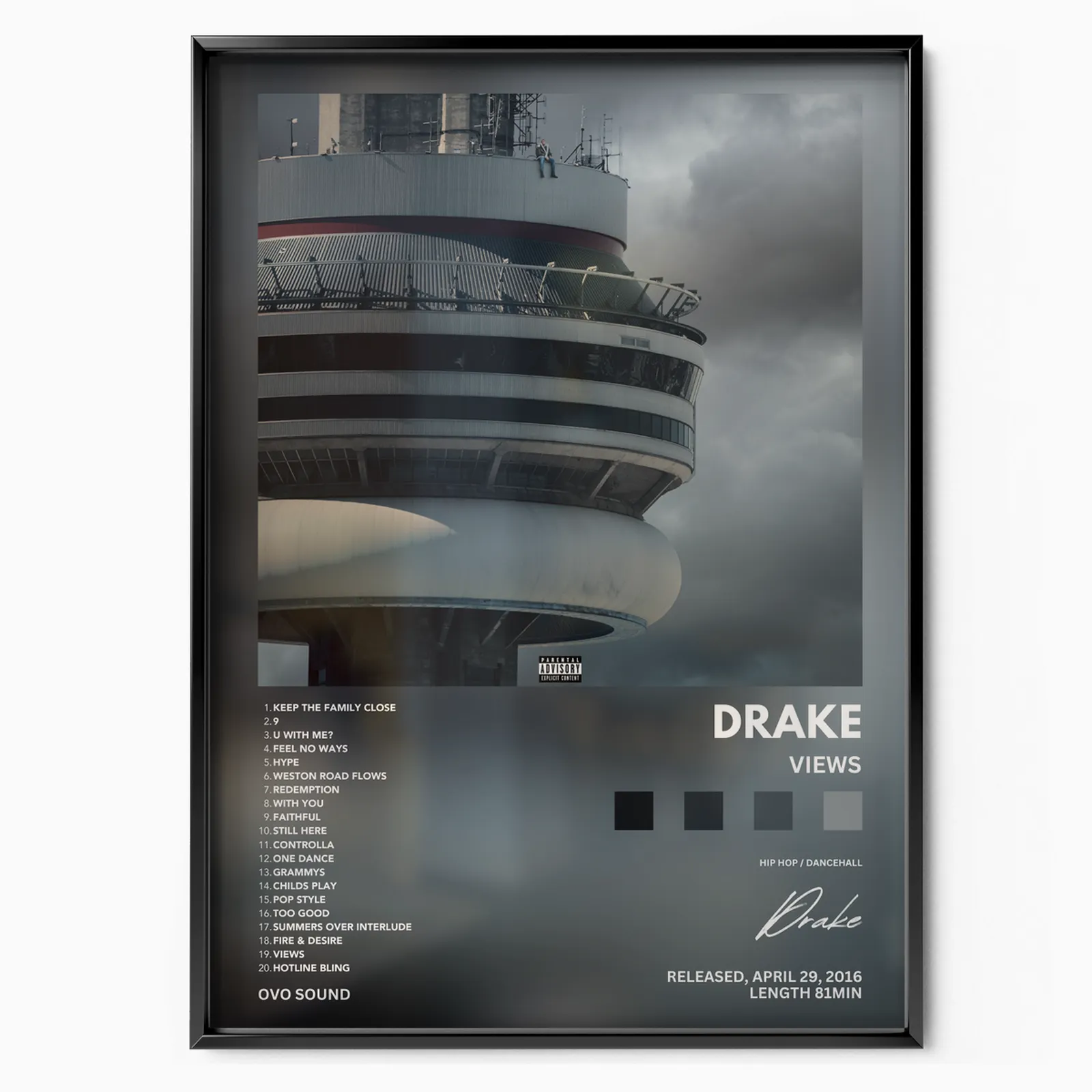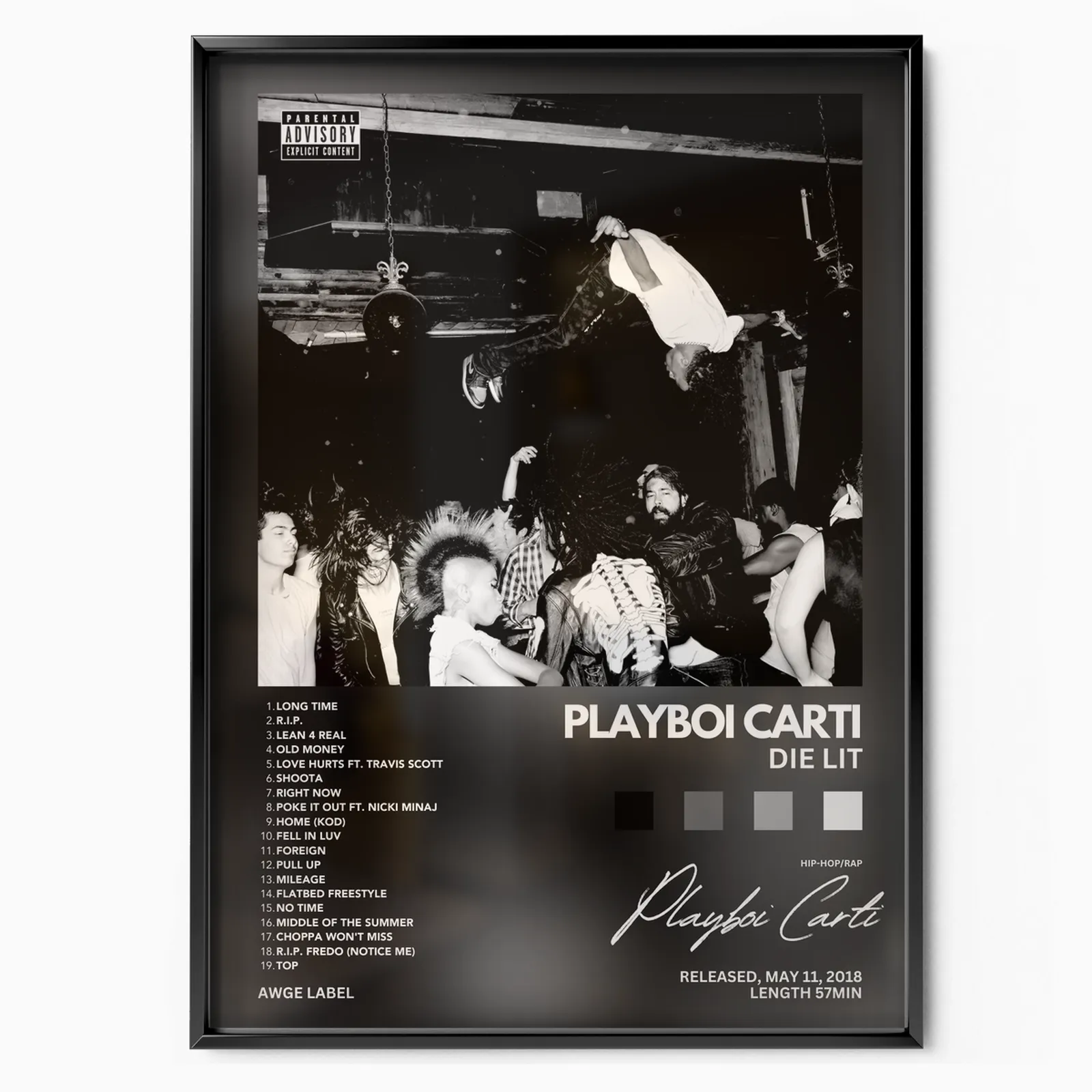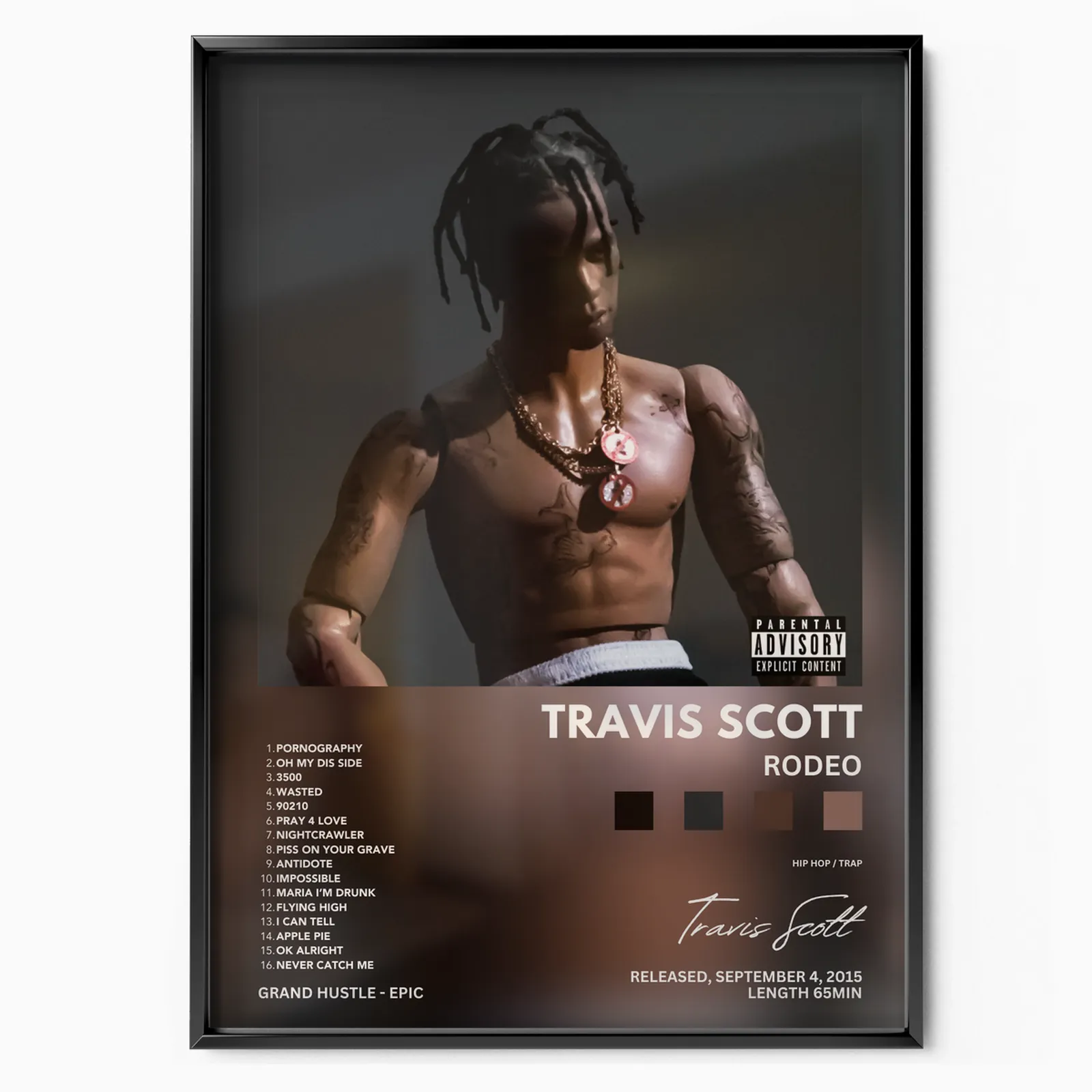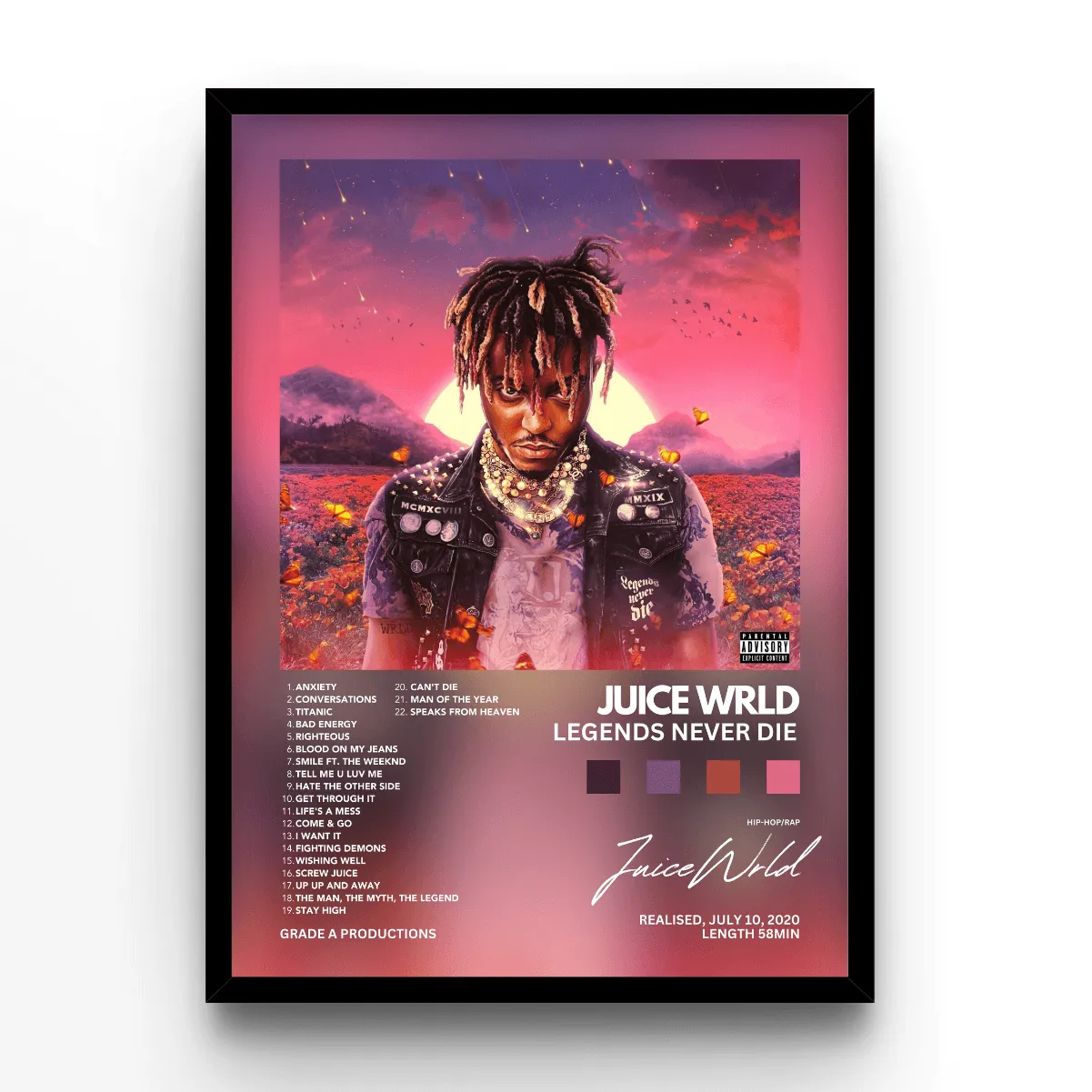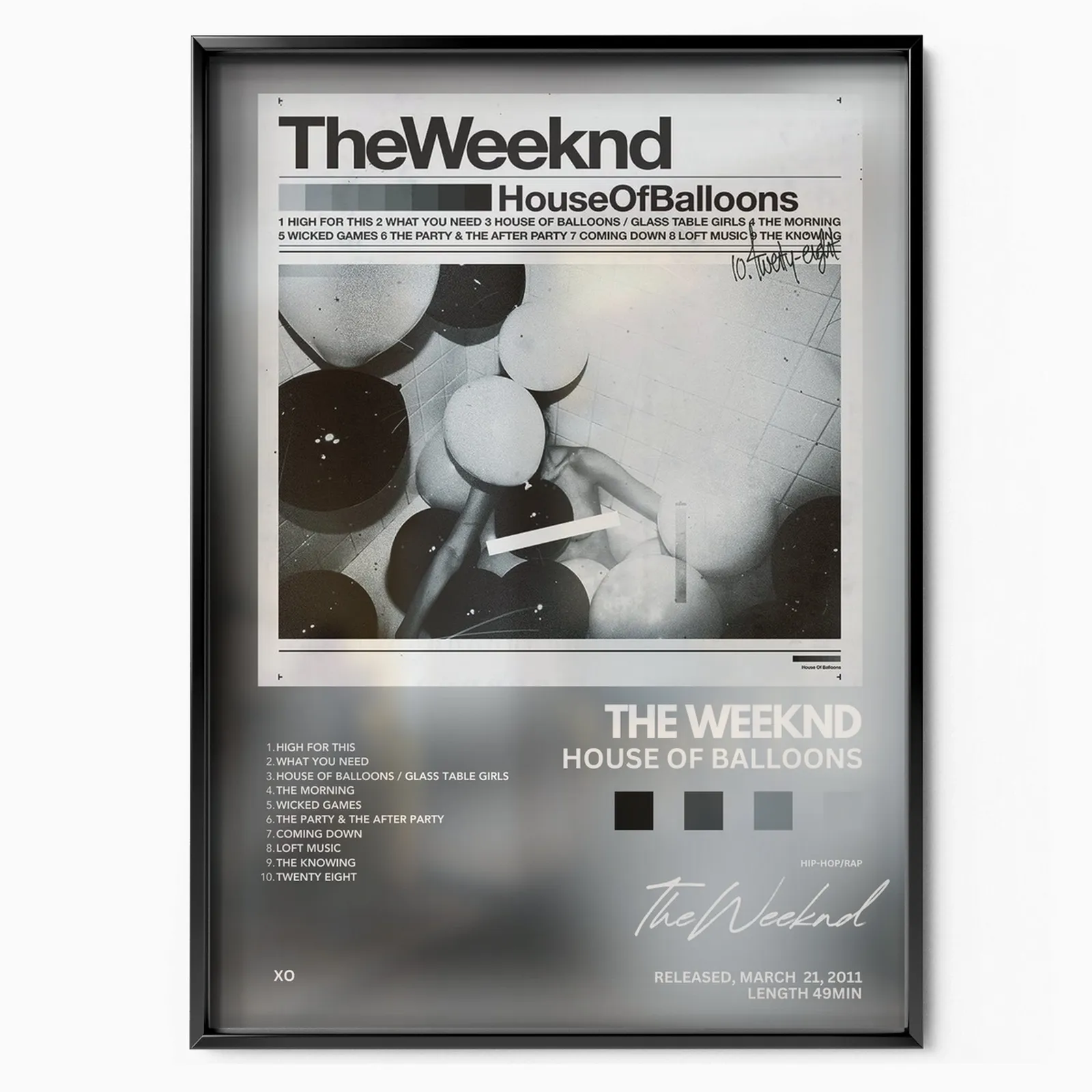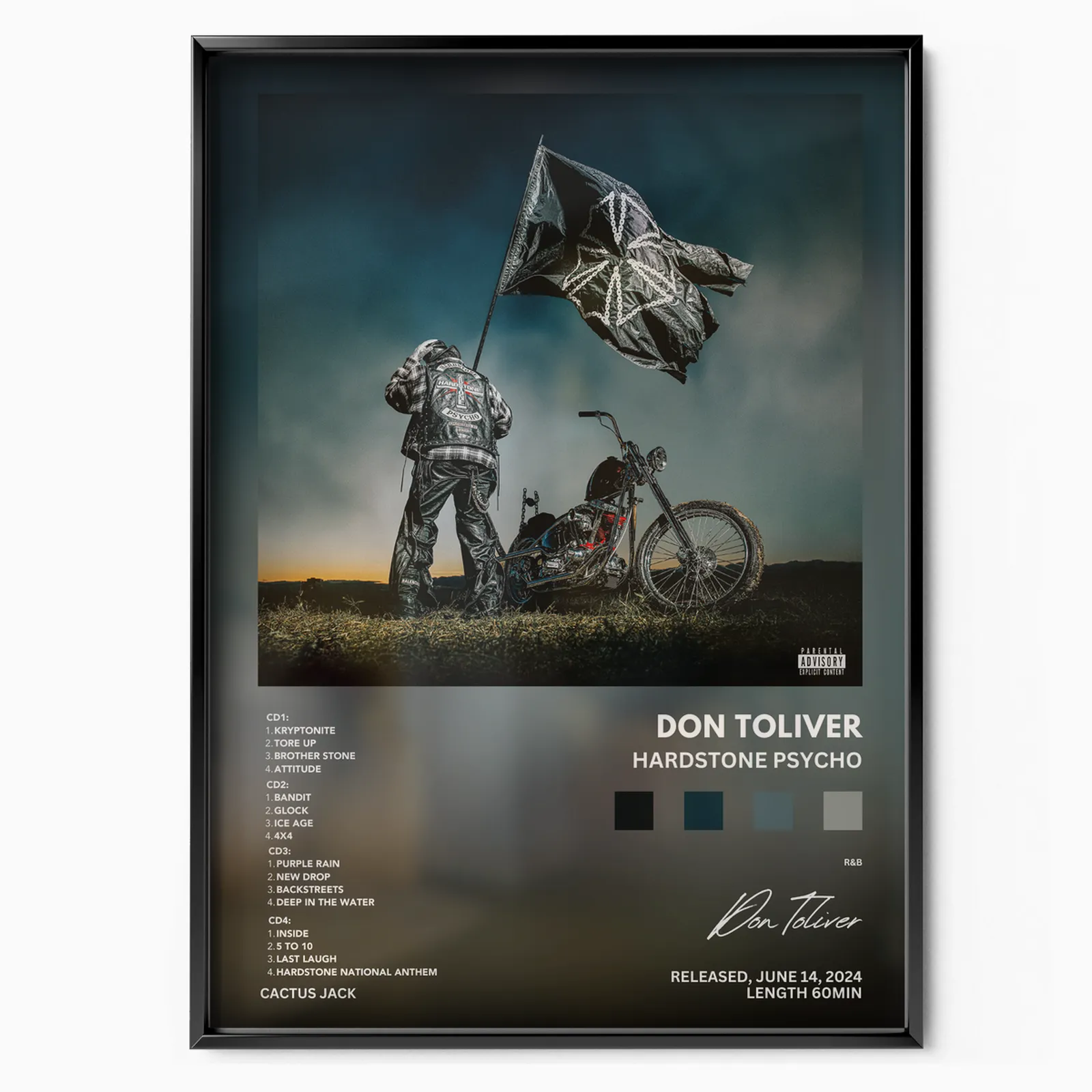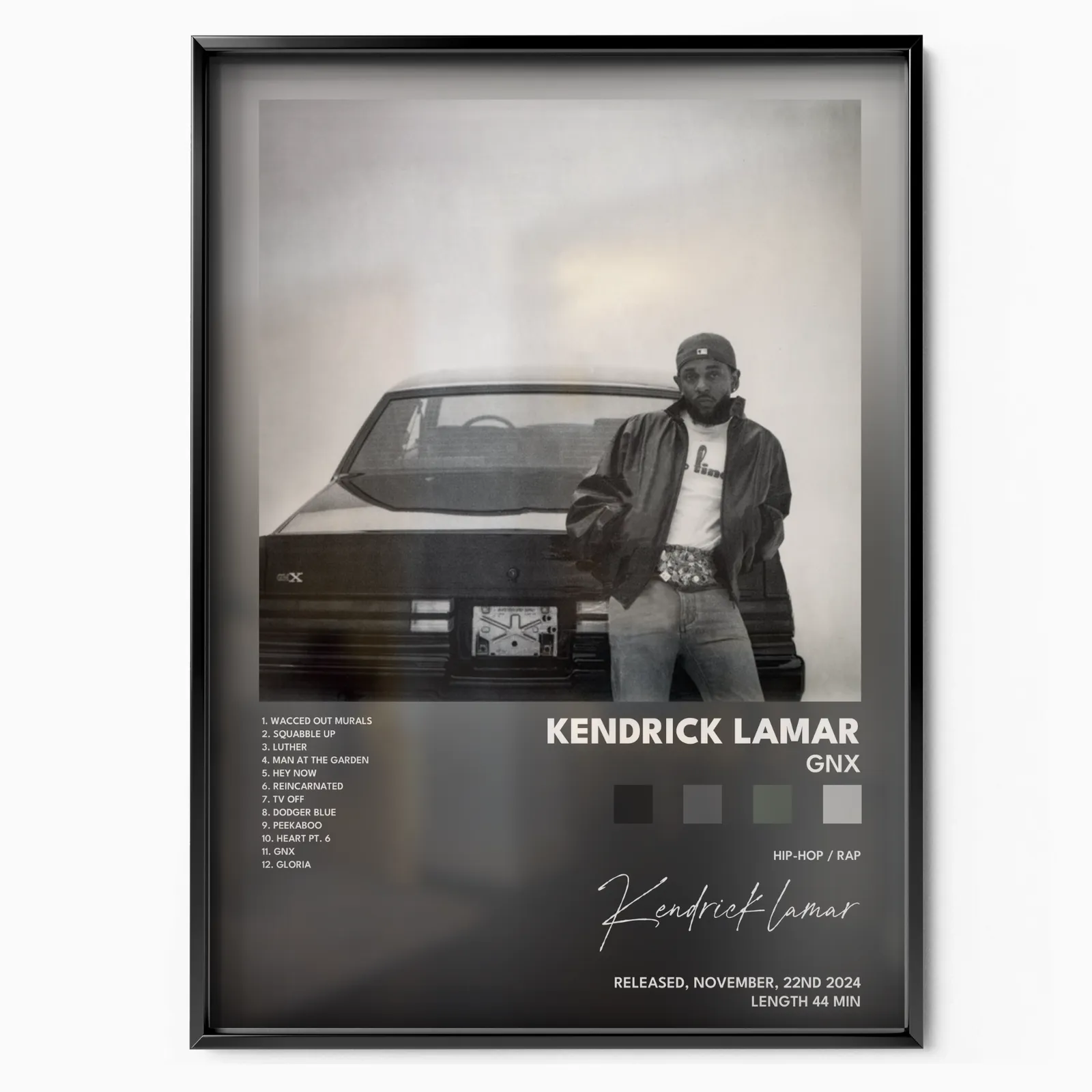




Album Cover Posters, Printed for Music Collectors
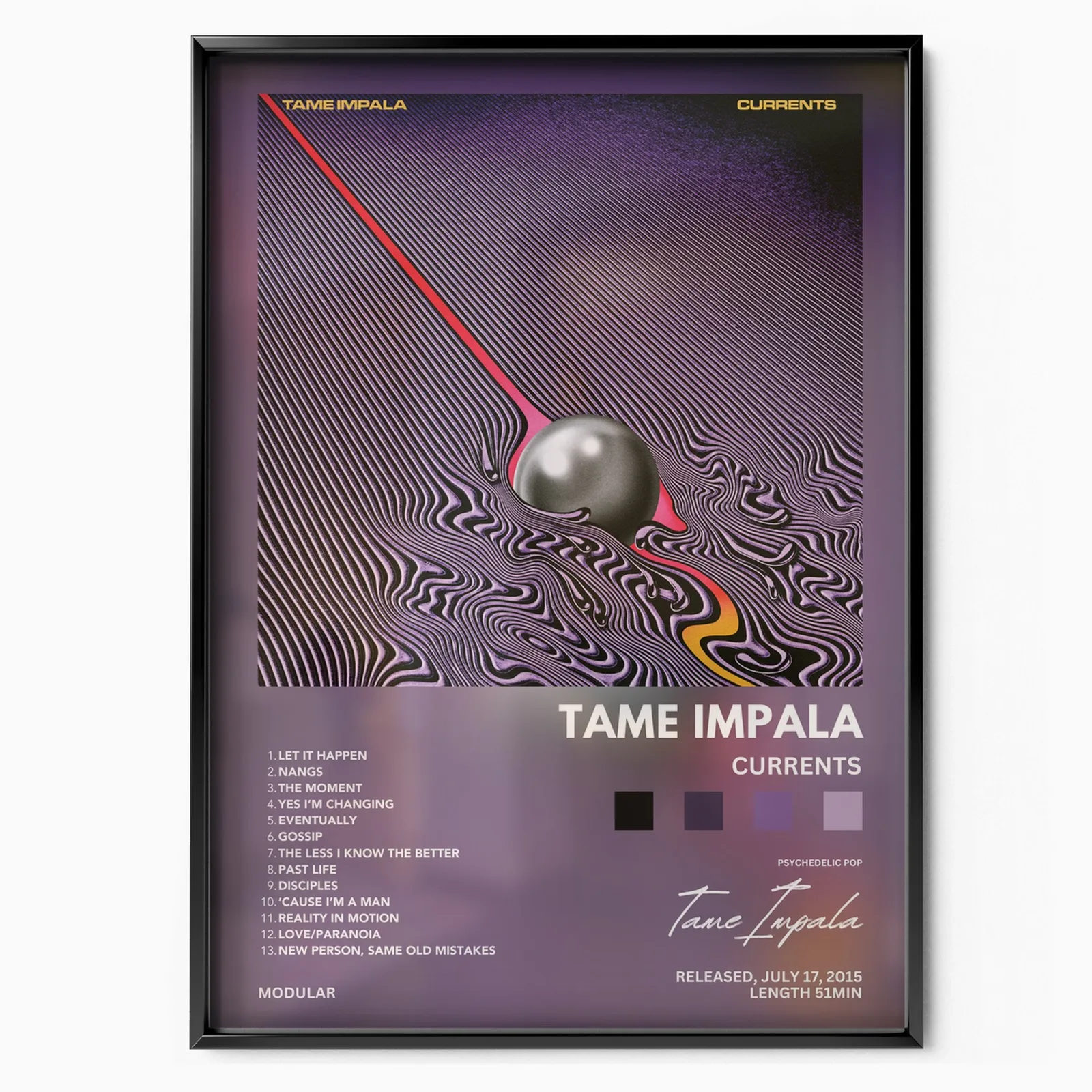
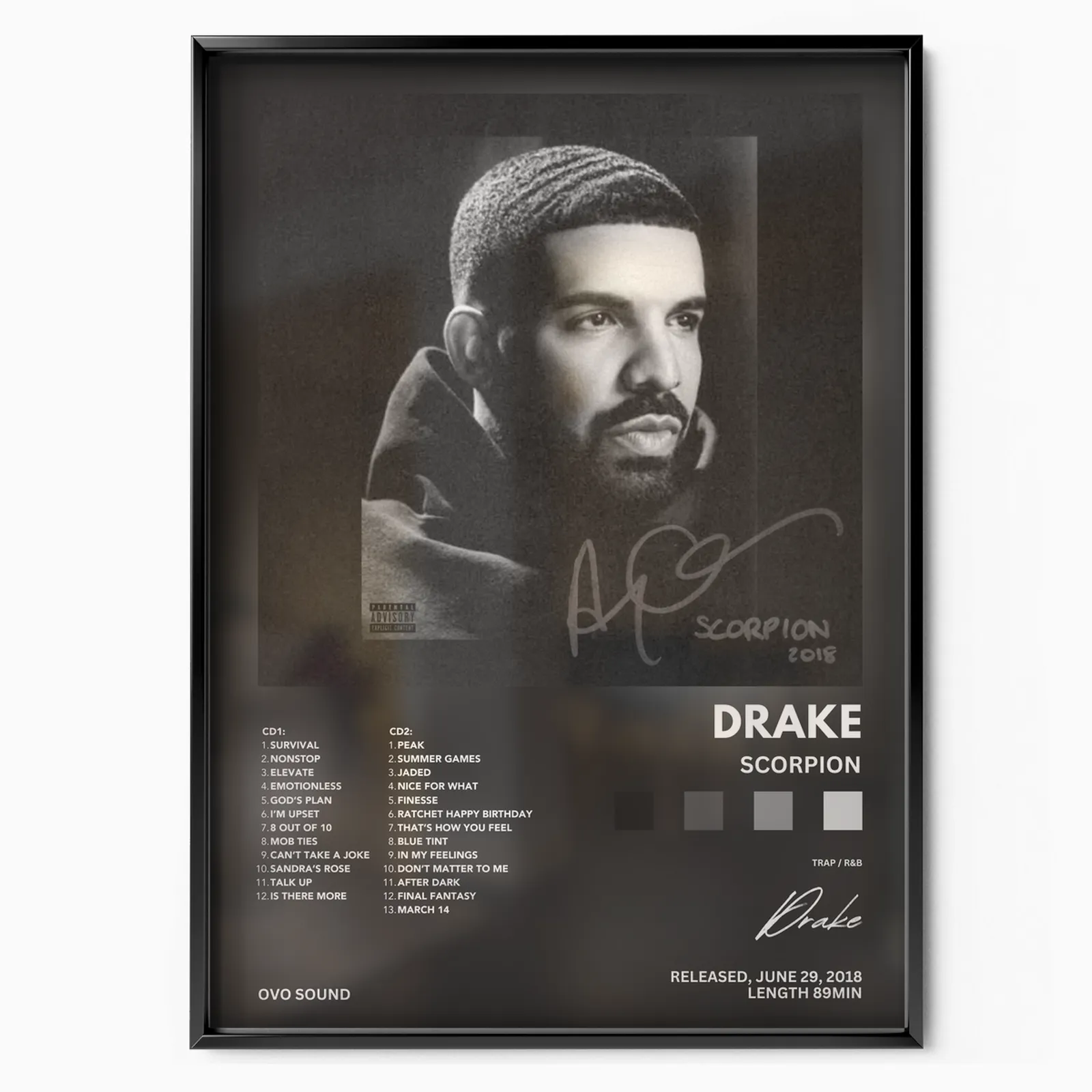
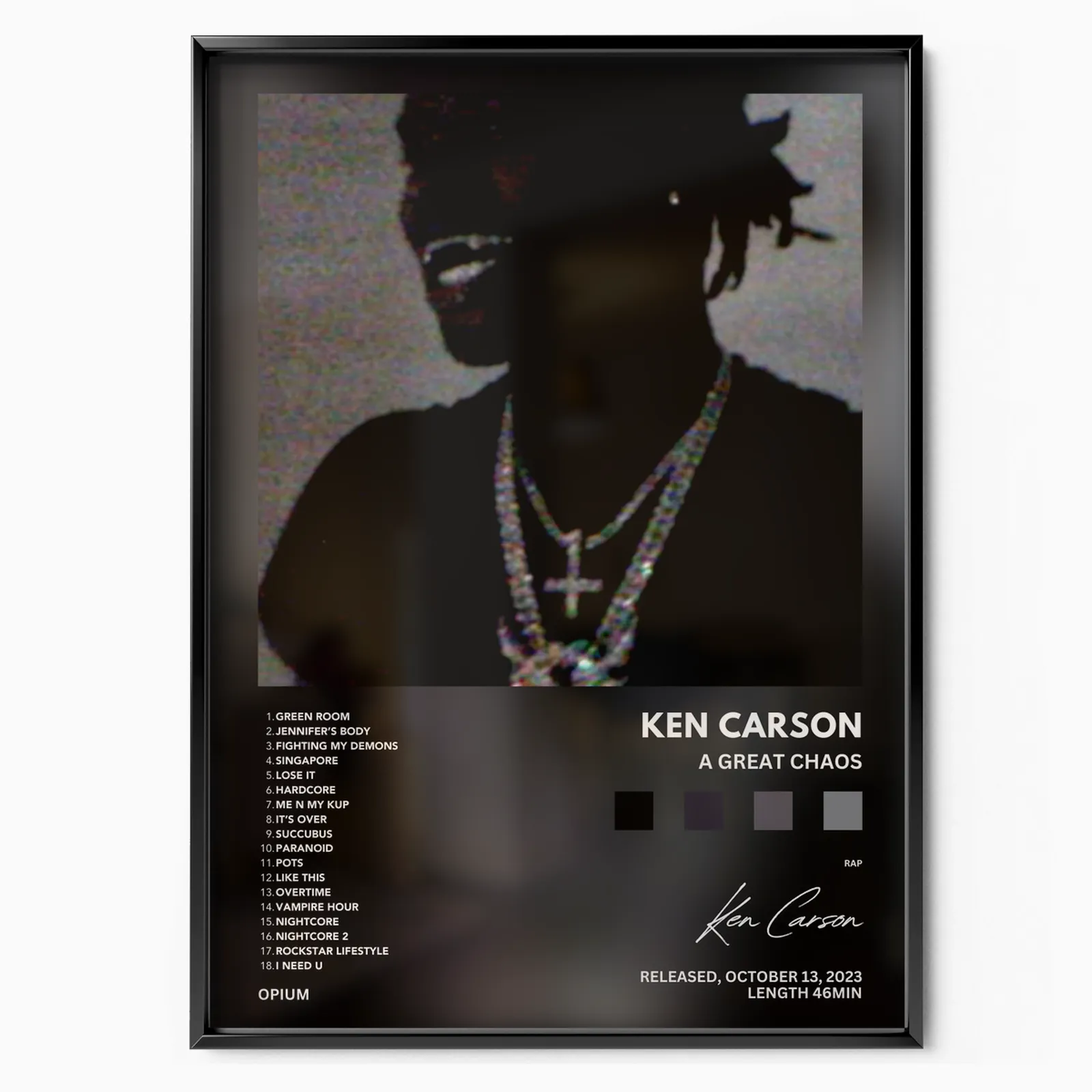
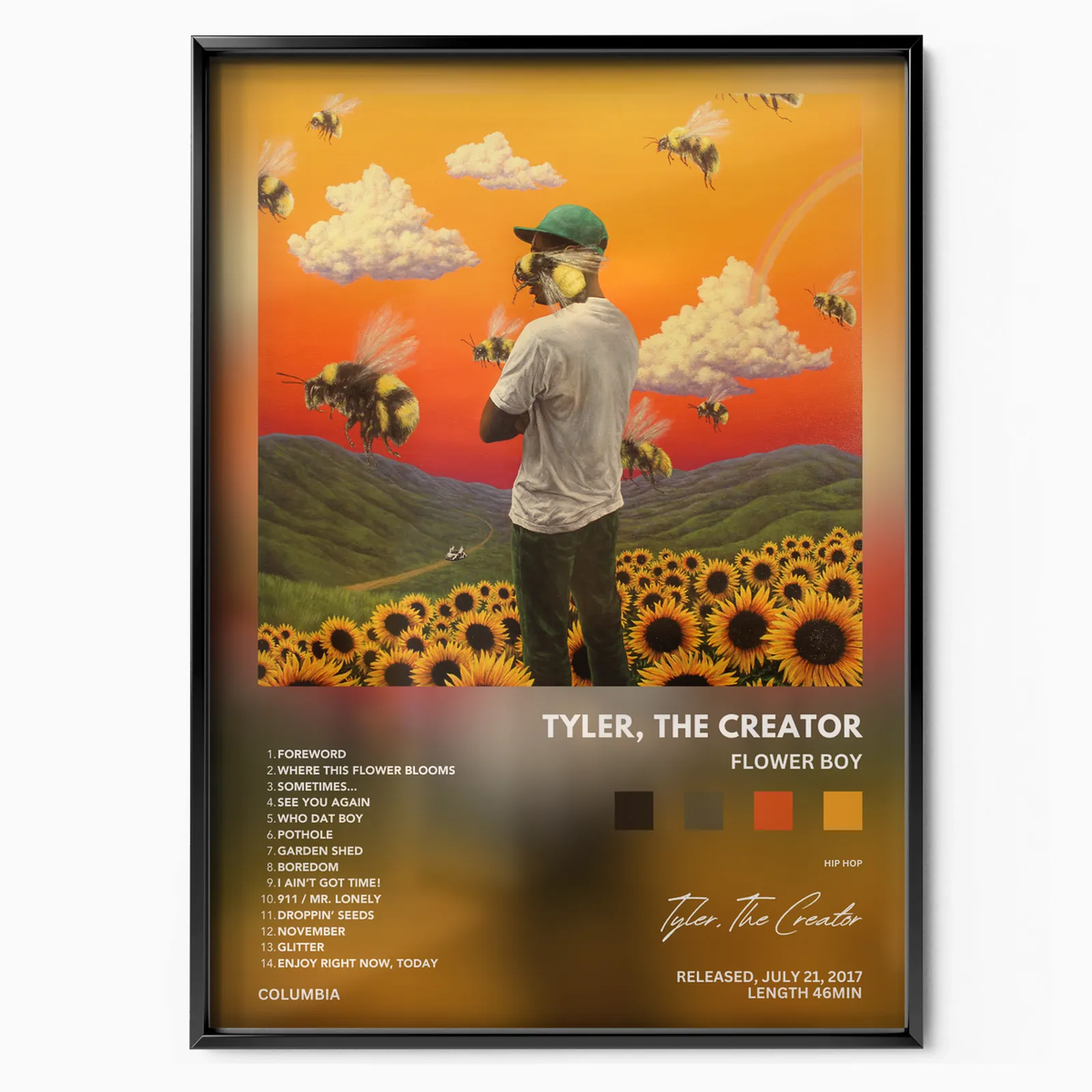
The album cover is the last great popular art form you can hold in your hands, a single square that has to sell a sound, fix a mood and outlive the record inside it. Our Album collection gathers 2,672 of those squares as wall art, from the sleeves that hung on bedroom walls in 1969 to the covers that broke Spotify in the 2020s. Every design is printed on museum-grade 200gsm matte stock and offered from A4 up to poster-sized A1, framed in black or chrome white or shipped unframed. Whether you want the underwater baby of Nirvana's Nevermind above a turntable or the zebra crossing of Abbey Road in a hallway, there is a cover here for your setup, your studio or your gift list. Because the full range runs on Buy 2 Get 1 Free, filling a wall with the artwork you grew up on costs less than a night out.
Below is a guide to the covers collectors reach for most, grouped by the eras and genres that shaped them. Everything we reference is a real product in this collection, so you can click straight through to the sleeve you want.
Golden-age hip-hop: the covers that built a genre
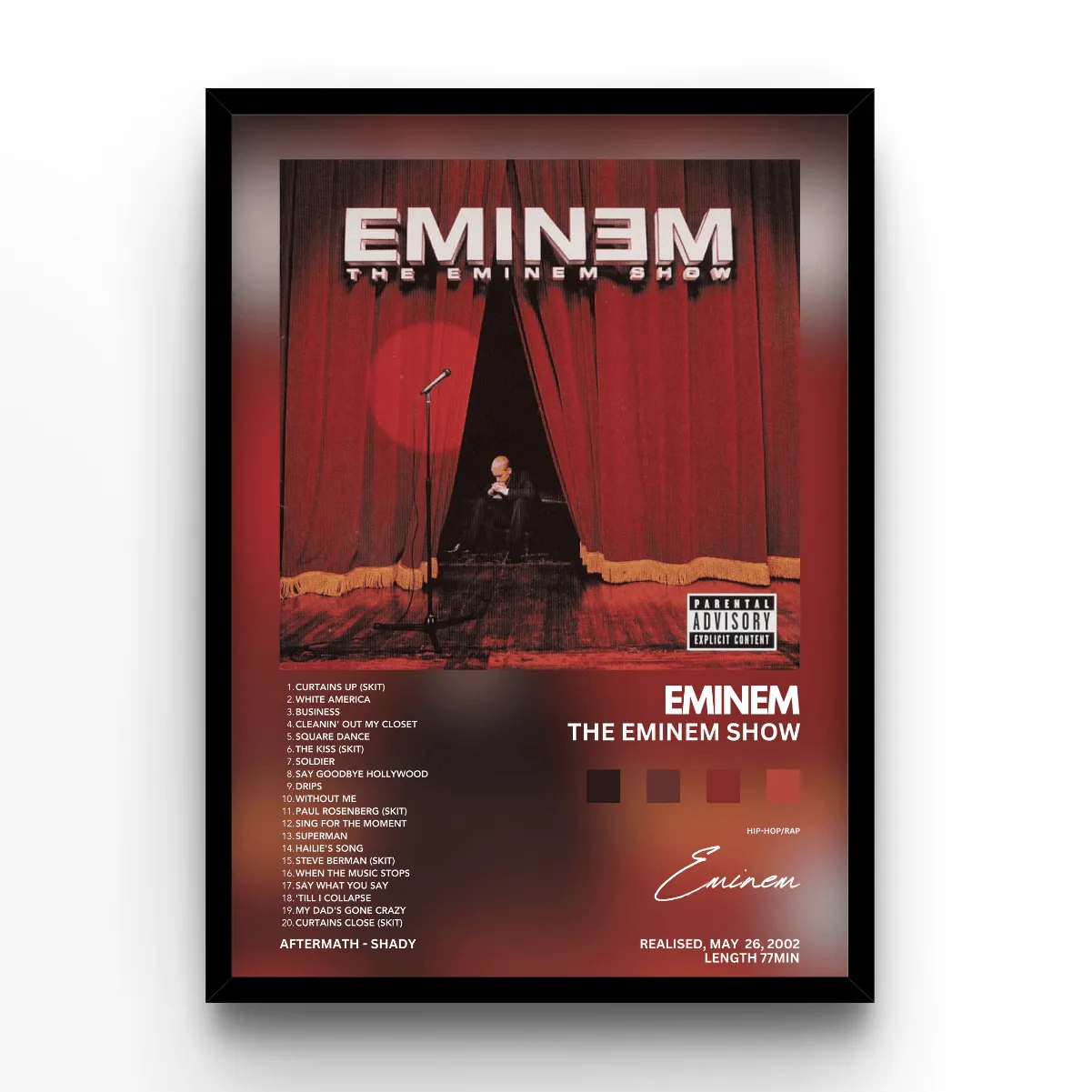
Rap sleeves turned the family photo and the street corner into a visual language of their own. Nas' Illmatic, released on 19 April 1994, set the template that dozens of albums copied: designer Aimee Macauley superimposed a photograph of a seven-year-old Nas over the Queensbridge housing projects, framing the artist as both child and chronicler. From the same decade we carry Straight Outta Compton, the low-angle N.W.A shot from 1988 that stares the viewer down, alongside The Notorious B.I.G.'s 1994 debut Ready to Die and 2Pac's sprawling 1996 double album All Eyez on Me. The West Coast is here in Dr. Dre's 1999 landmark 2001, the horrorcore surrealism of Madvillainy from 2004, and the shot that launched a superstar, Eminem's Marshall Mathers LP of 2000.
The modern rap era: trap, art-rap and the blockbuster sleeve
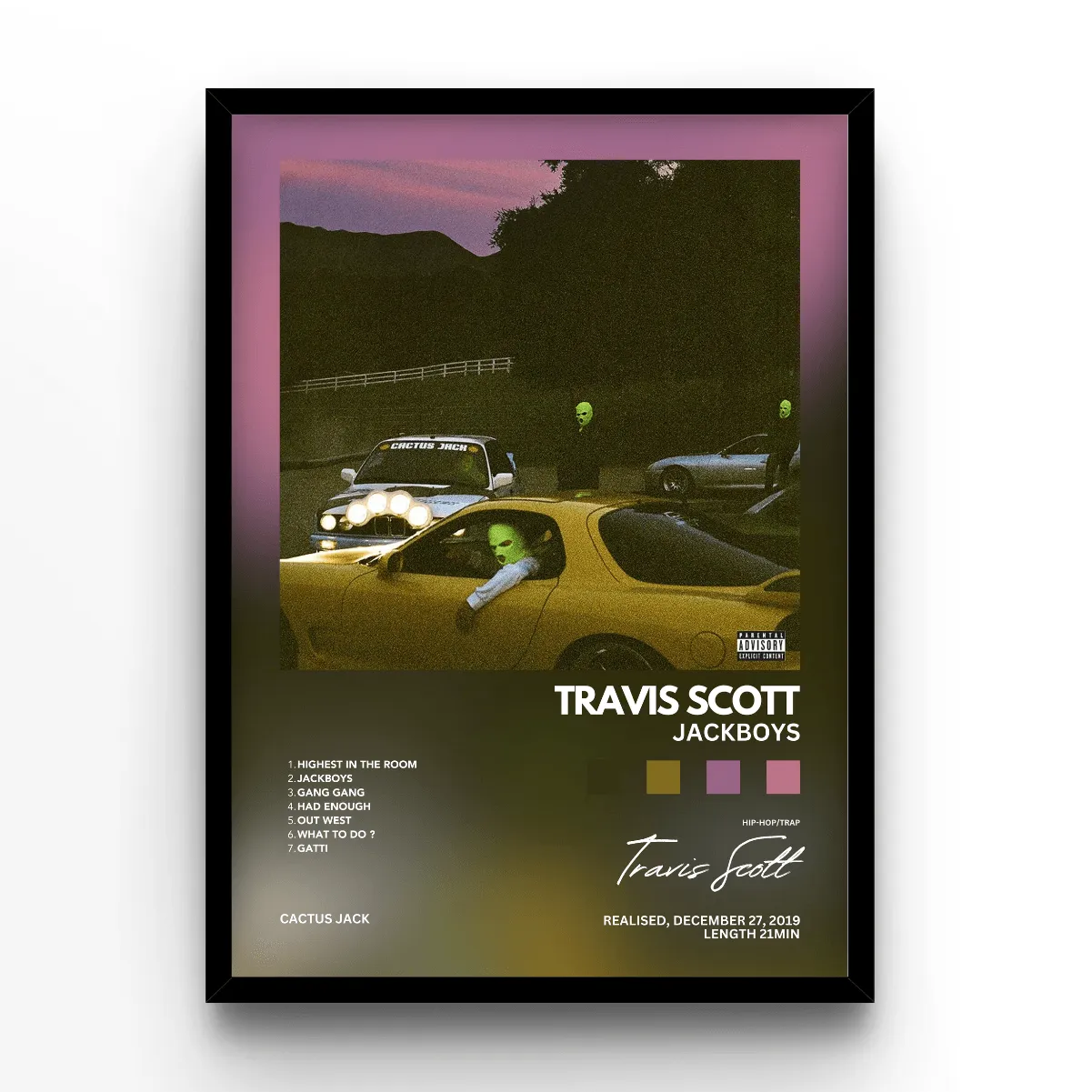
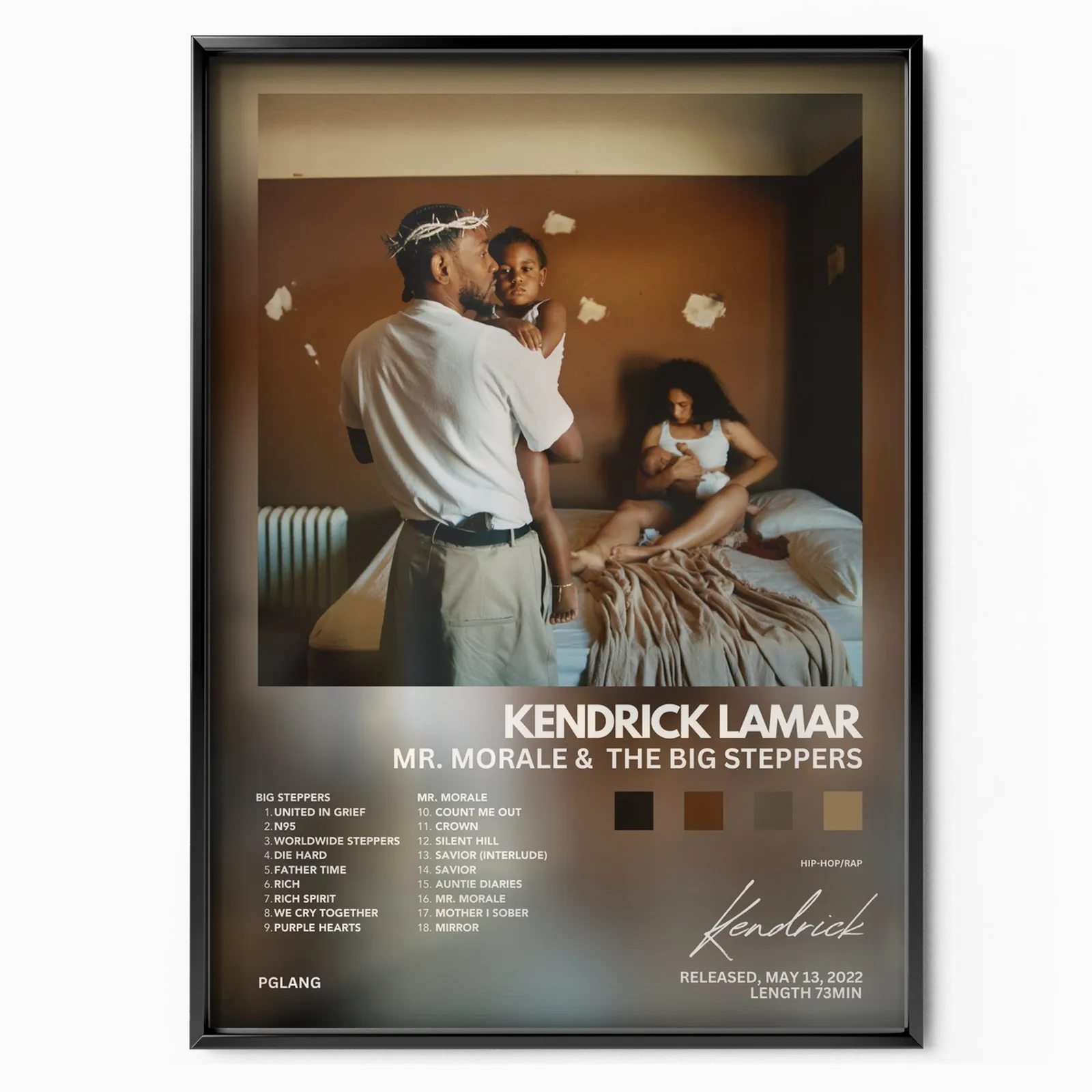
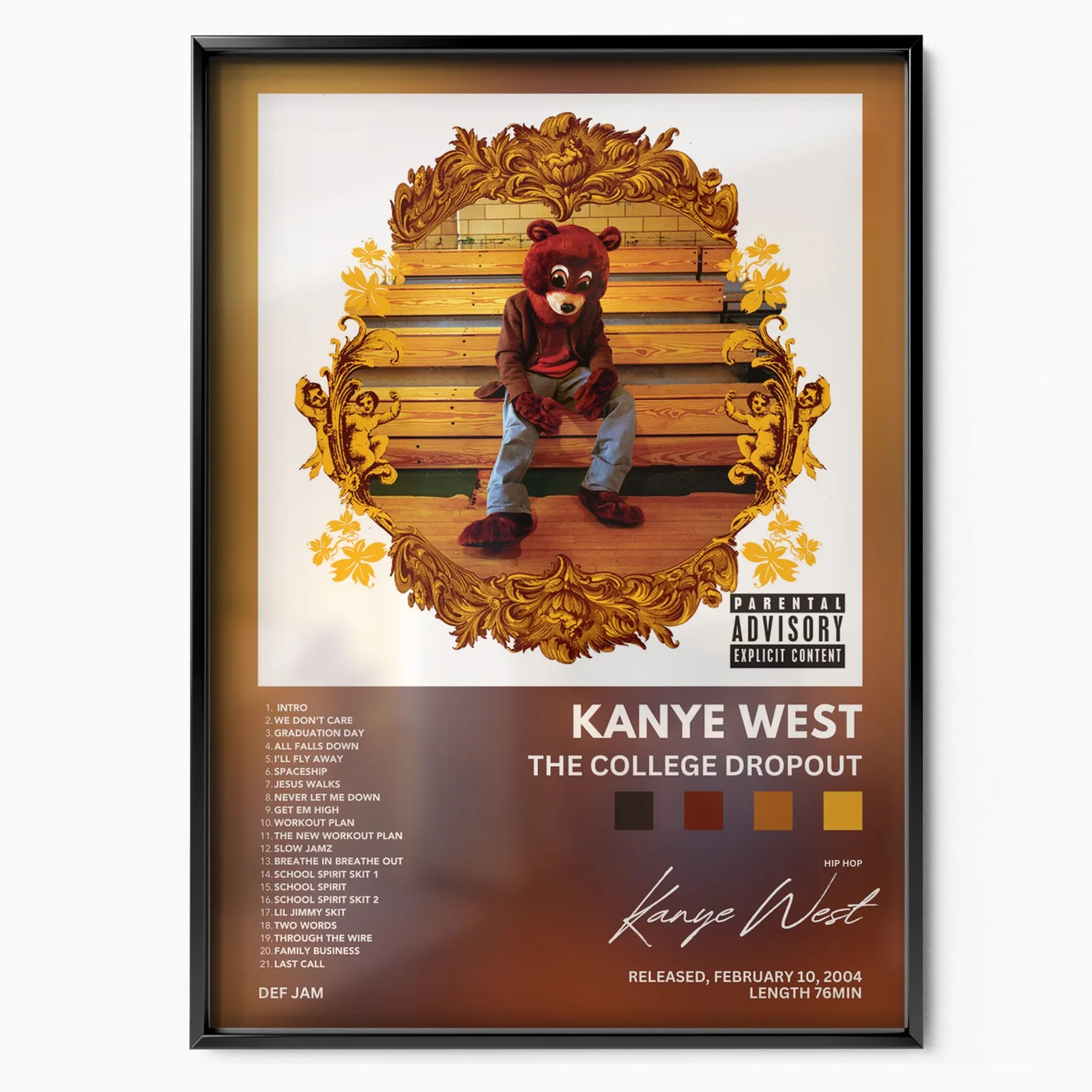
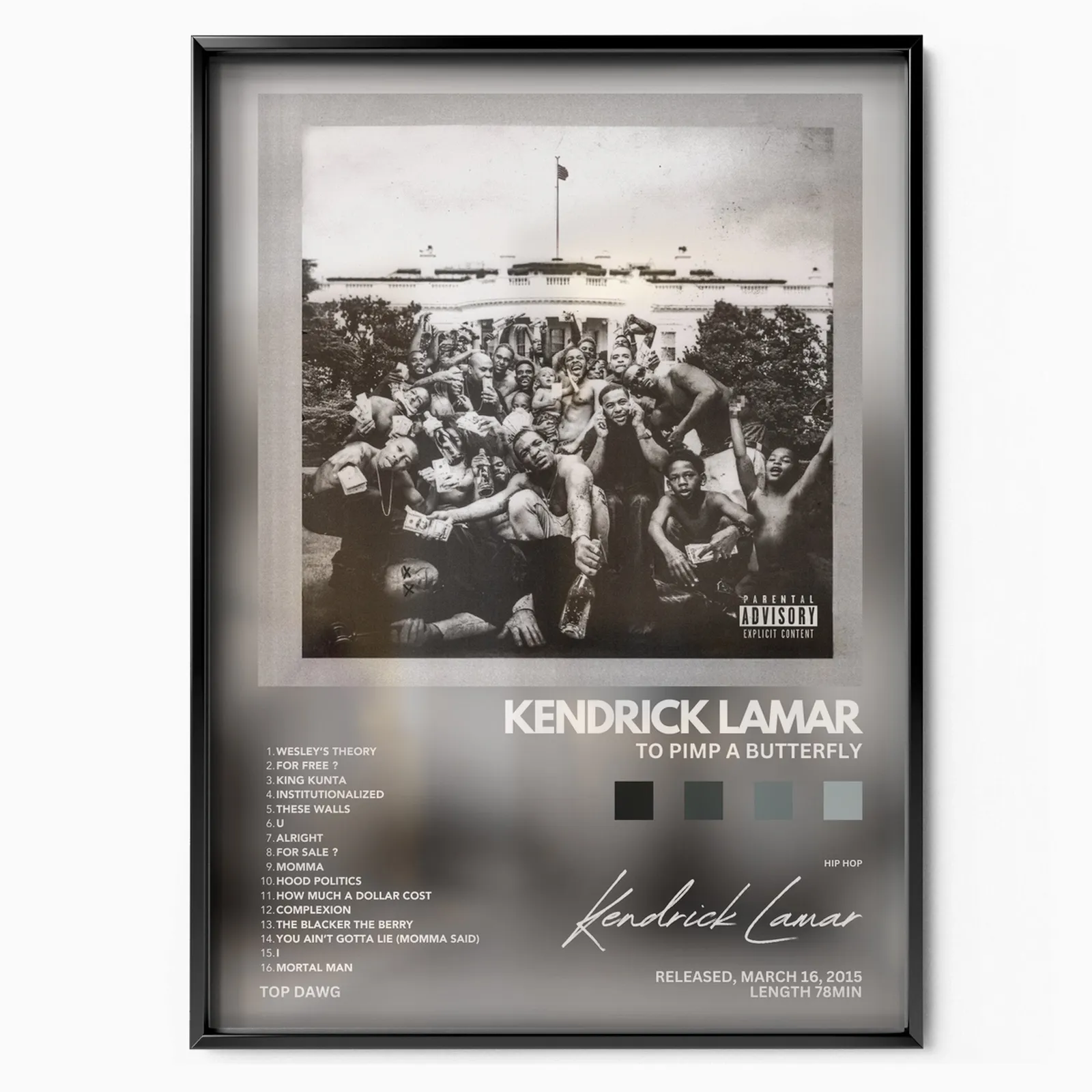
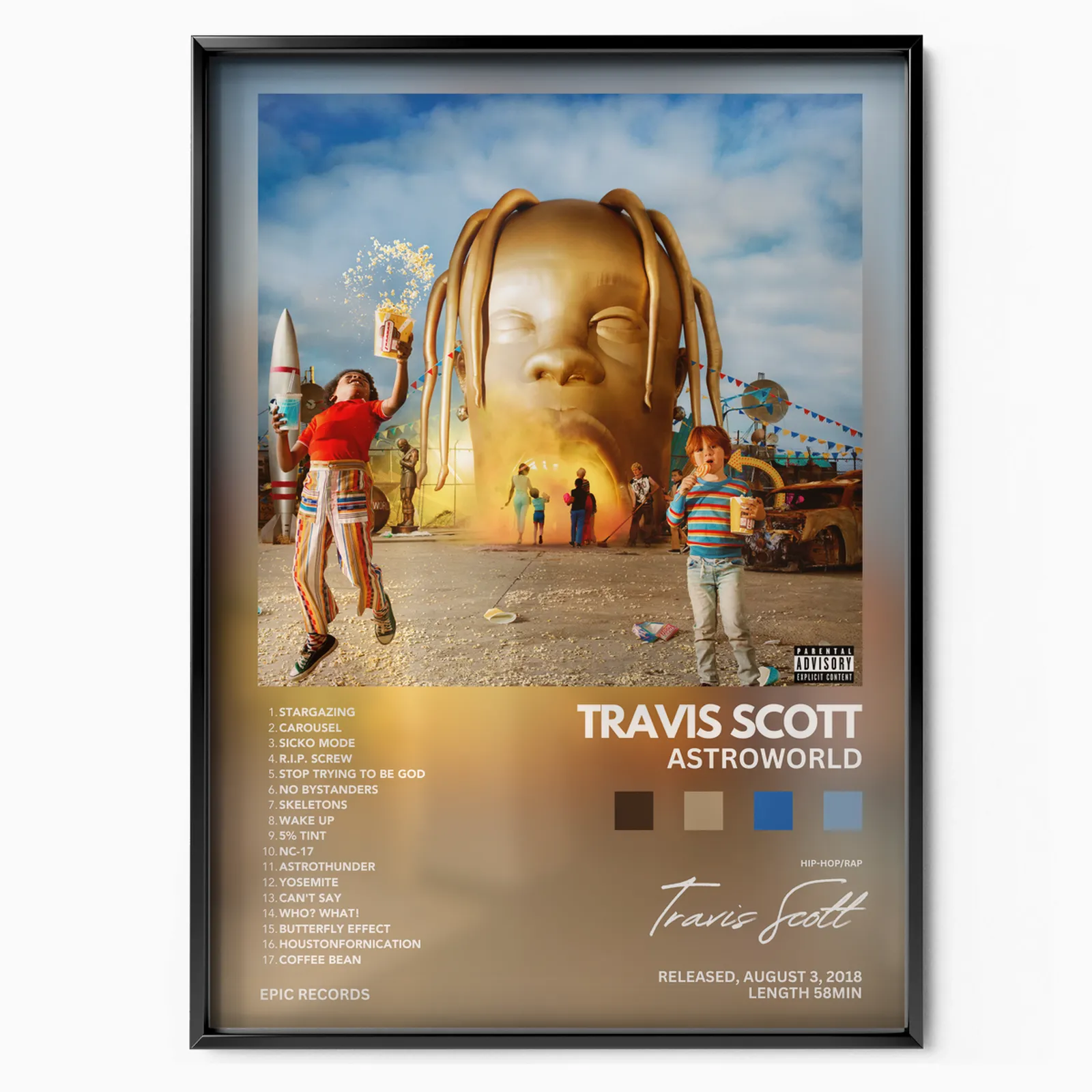
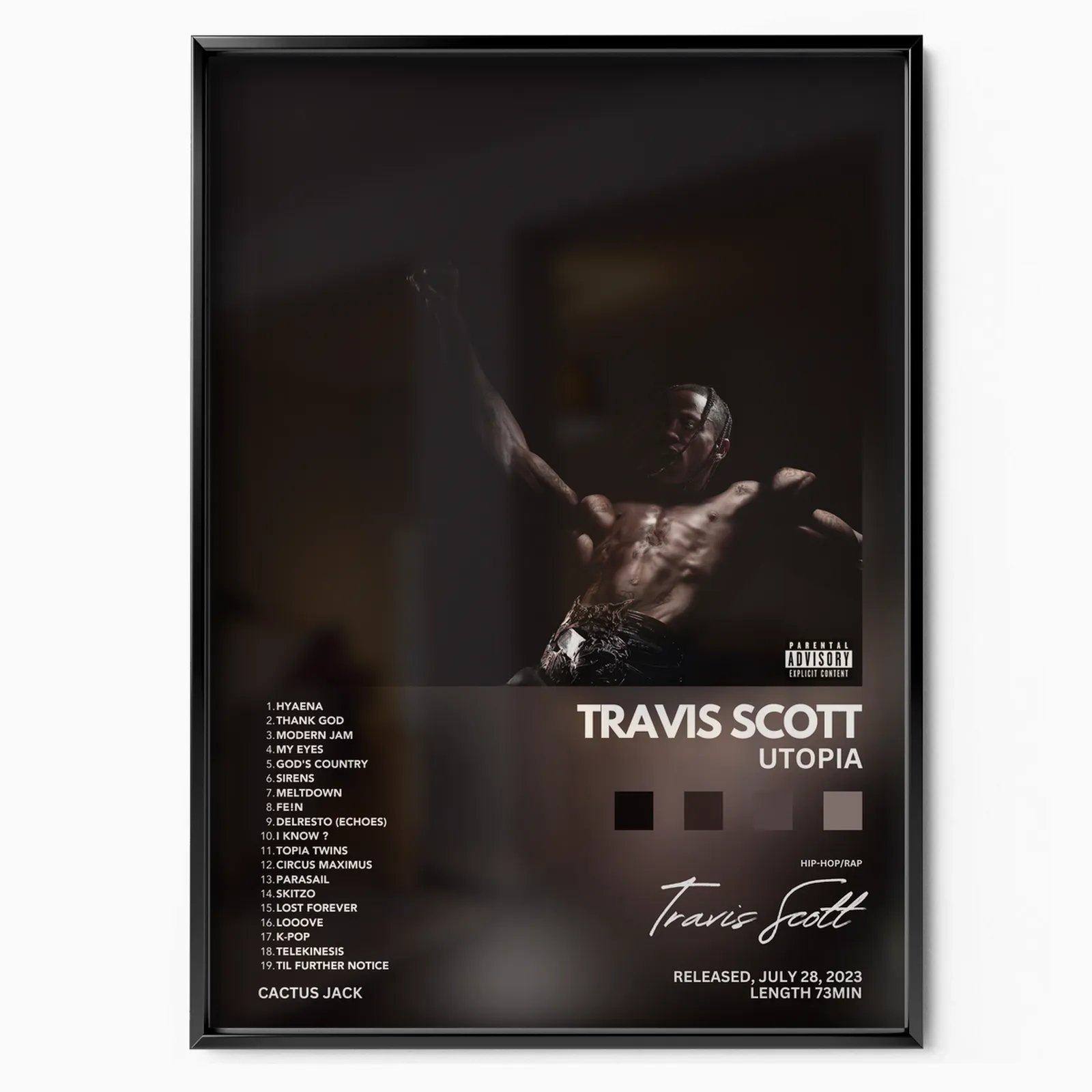
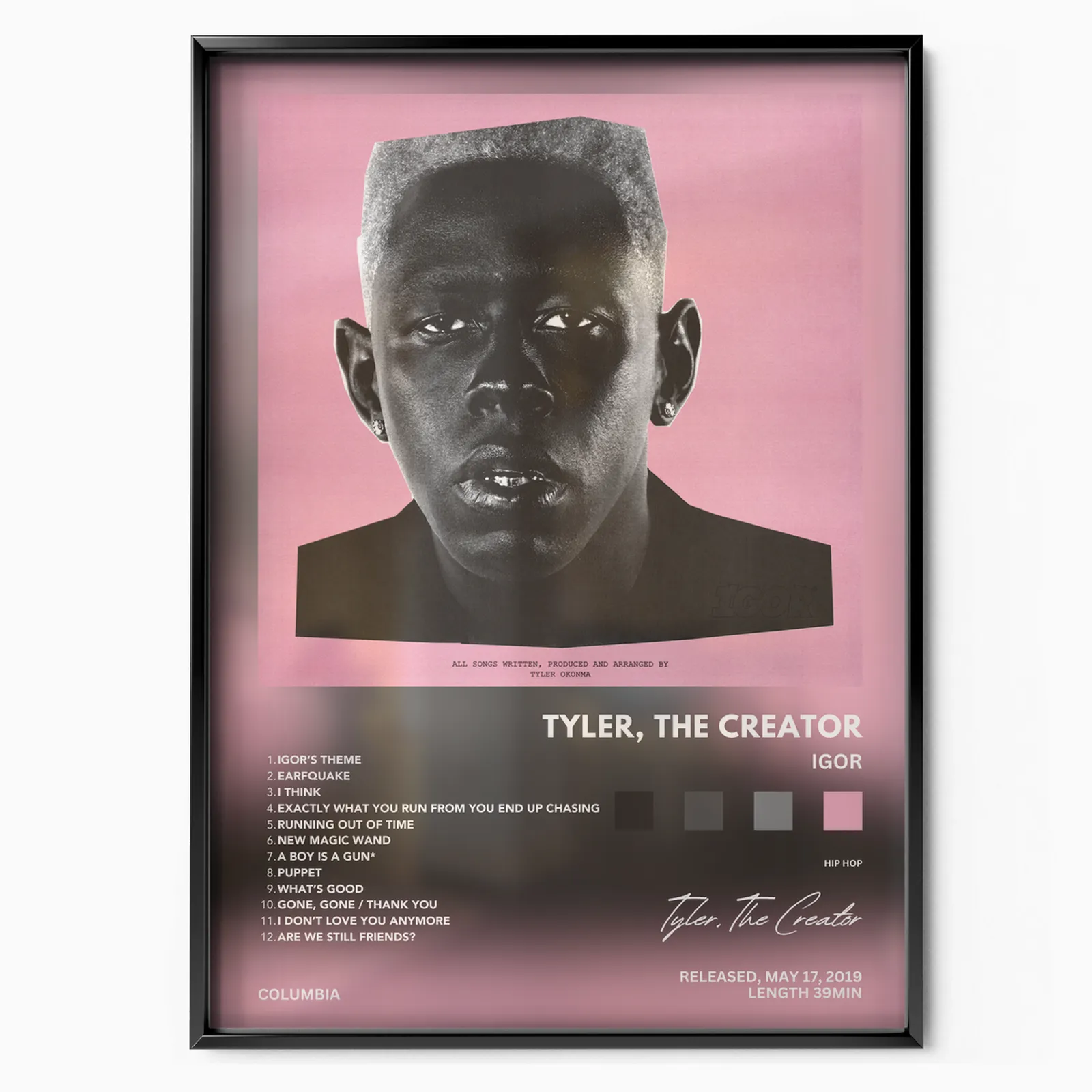
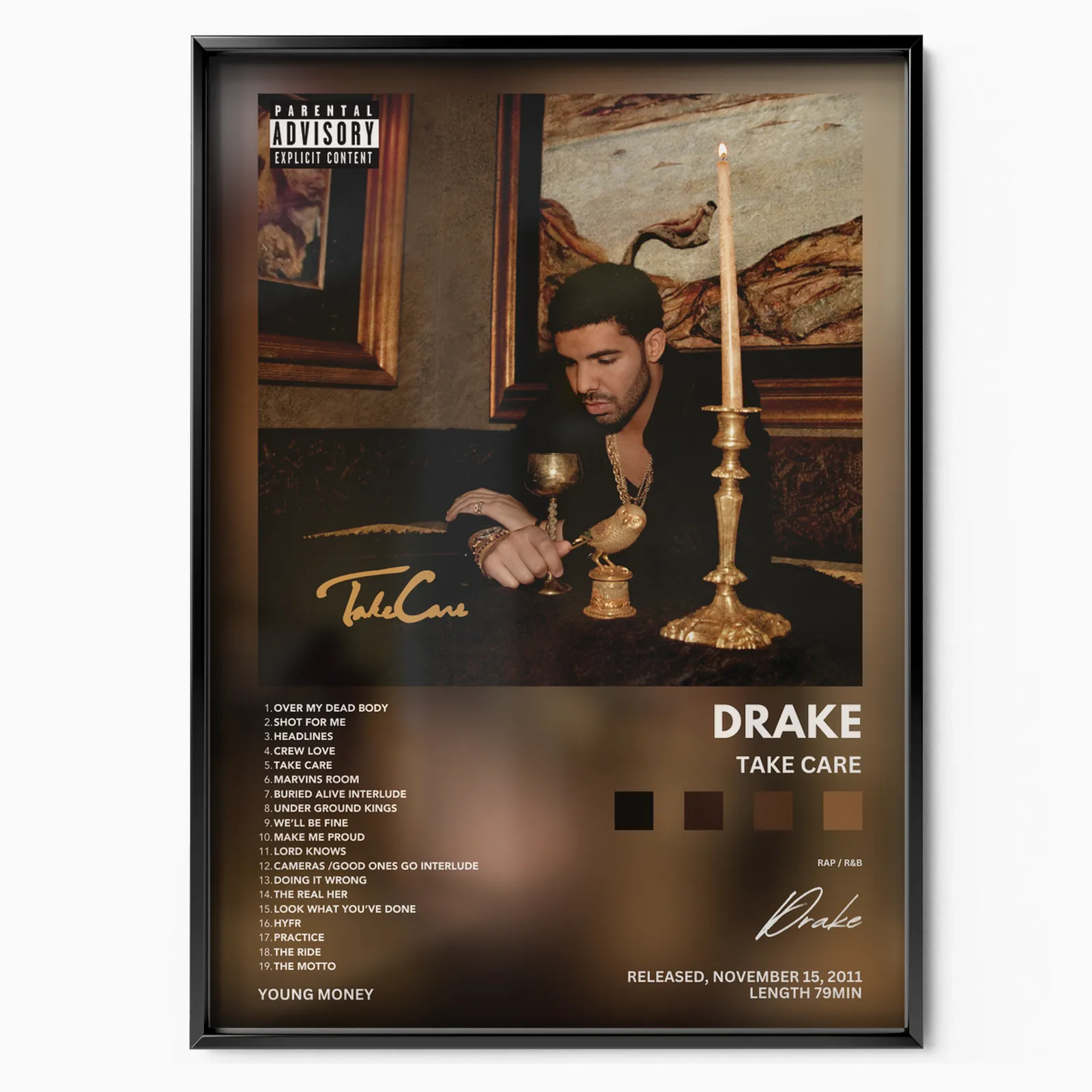
Kanye West treated the album cover as fine art. For 2010's My Beautiful Dark Twisted Fantasy he commissioned painter George Condo, whose original image was so provocative that some retail chains refused to stock it. His 2004 debut The College Dropout and its cartoon mascot sit at the other end of the wall. Kendrick Lamar carried the tradition forward: 2015's To Pimp a Butterfly is a black-and-white photograph of a crowd of Compton friends celebrating on the White House lawn, while 2012's good kid, m.A.A.d city reads like a faded family snapshot. The hyperreal era belongs to Travis Scott, whose Astroworld cover, shot by photographer David LaChapelle in 2018, built a giant golden bust of his head into a defunct Texas theme park, later mirrored by 2023's Utopia. Round it out with Tyler, The Creator's pastel Igor and Drake's snow-globe Take Care from 2011.
Rock, punk and alternative: the landmark sleeves
Some covers are simply part of the furniture of music history. Abbey Road was photographed by Iain Macmillan on 8 August 1969 in a ten-minute window, six frames shot from a stepladder as a policeman held the traffic. Fleetwood Mac's 1977 Rumours captured Mick Fleetwood and Stevie Nicks mid-pose while the band's relationships fell apart around them. Nevermind put a four-month-old baby underwater in 1991 and redrew the decade. Radiohead's OK Computer, whose 1997 sleeve was collaged by Stanley Donwood and Thom Yorke from found textbook scraps, hangs beside Oasis' Britpop peak (What's the Story) Morning Glory? from 1995, the Red Hot Chili Peppers' Californication of 1999, Linkin Park's Hybrid Theory and the neon soundwave of Arctic Monkeys' AM from 2013.
Pop, R&B and electronic: covers of the streaming age
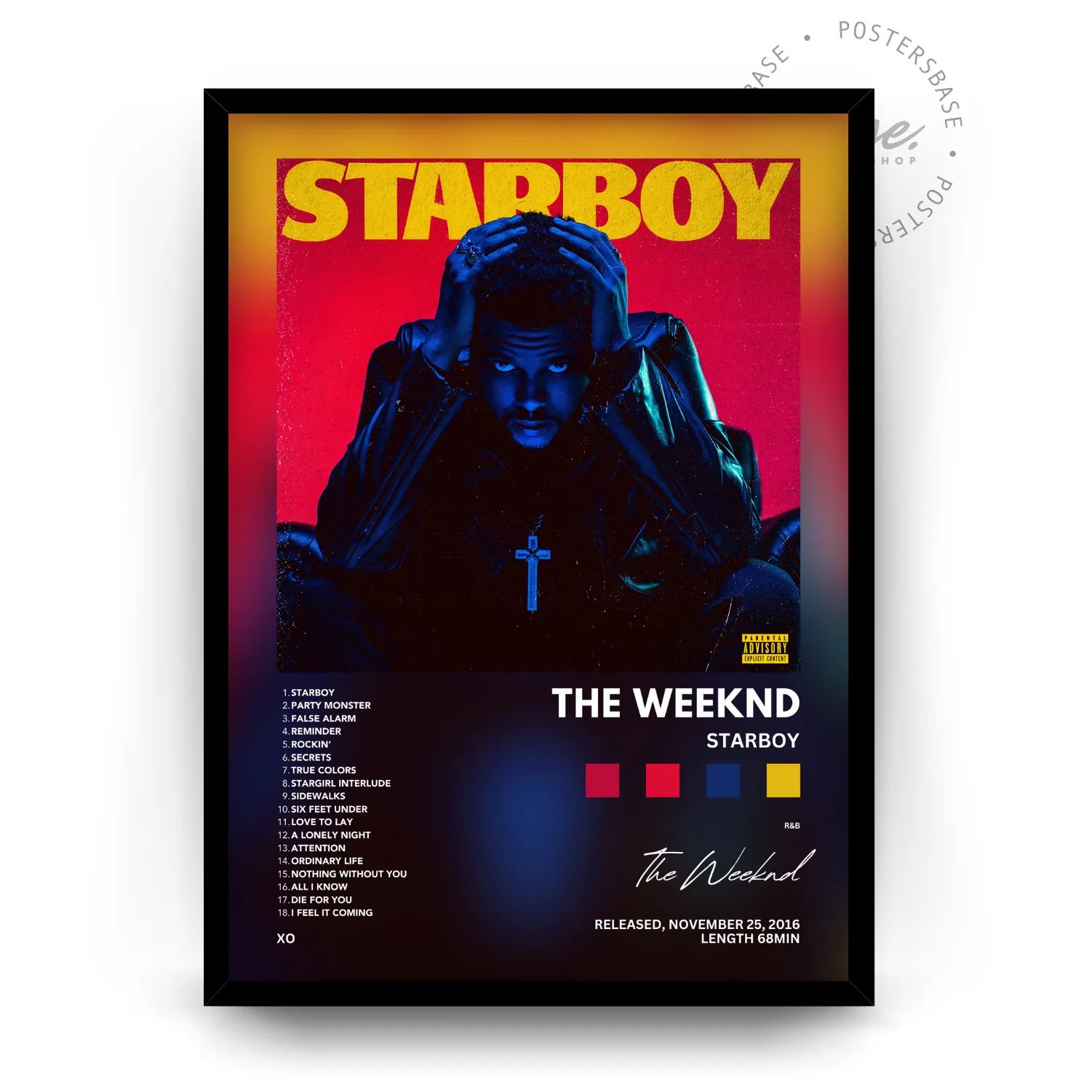
The modern classics are already collectors' pieces. Frank Ocean's Blond, shot by artist Wolfgang Tillmans in 2016, shows the singer green-haired under a shower, an image never originally meant for a sleeve. The Weeknd's bloodied After Hours from 2020, SZA's Ctrl and Taylor Swift's woodland Folklore share the wall with Lana Del Rey's Born to Die, Daft Punk's mirror-helmet Random Access Memories of 2013 and Gorillaz' animated Demon Days. For a Latin centrepiece there is Bad Bunny's Un Verano Sin Ti, the 2022 record that became the first all-Spanish-language album nominated for the Grammy Album of the Year.
Sizes, frames and building a cover wall
Every design ships in A4, A3, A2 and A1. A4 and A3 suit a desk, a shelf or a tight bedroom grid, while A2 and A1 work as a single statement piece above a turntable, bed or sofa. Choose black framing for high-contrast photographic sleeves, chrome white to lift brighter pop and painted covers, or unframed for the flexible, lower-cost route. All prints use museum-grade 200gsm matte stock for deep colour and a glare-free finish that holds up for years. The easiest gallery to start is a three-poster trio: one hero sleeve, one genre landmark and one modern classic, kept to a single frame colour and a repeated A3 size for a clean grid. Thanks to Buy 2 Get 1 Free, that third print is on the house, which makes a proper record-sleeve wall the best-value corner of the shop.